

Site Admin
37. Rick Dempsey
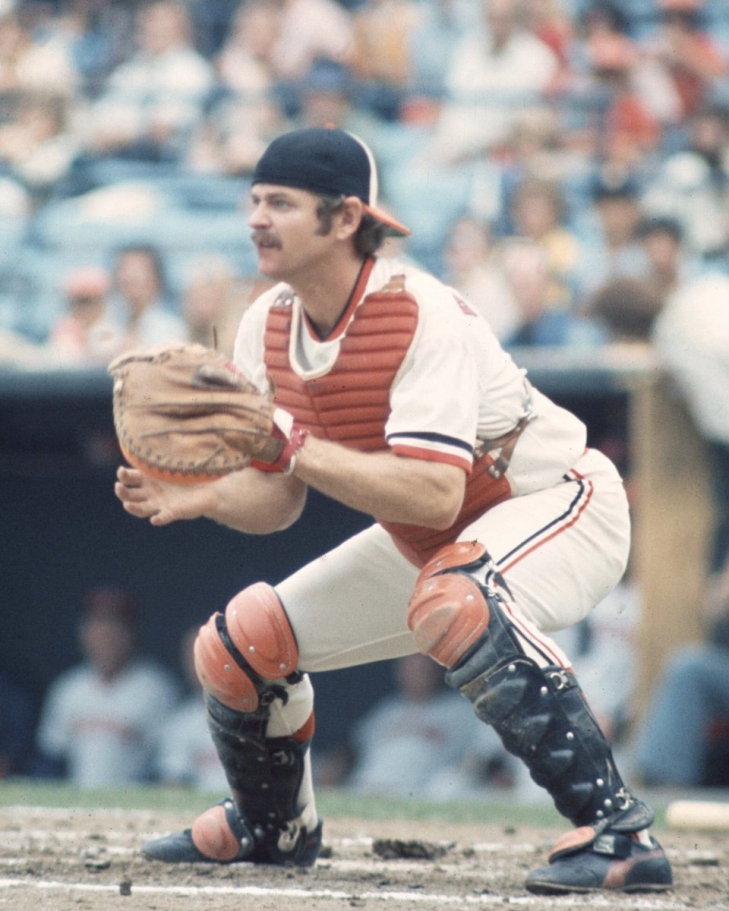
Acquired from the New York Yankees in a blockbuster 10-player swap in 1976, Rick Dempsey didn't just find more playing time in Baltimore—he found his identity. Known affectionately as "The General," Dempsey became the defensive heartbeat of the Orioles for over a decade, setting a franchise record by catching 1,230 games.
Dempsey’s value was rooted in his absolute mastery of the tools of ignorance. A premier handler of pitchers, he caught ten different 20-game winners during his career and was a terror for opposing baserunners. He led the American League in Caught Stealing Percentage twice and twice topped the league in fielding percentage, providing the vacuum-like reliability that defined the Orioles' pitching-first philosophy. While his regular-season bat was modest, he possessed a rare "clutch" gear that famously ignited on the game's biggest stage.
In the 1983 World Series, Dempsey authored one of the greatest individual postseason performances by a catcher in history. Batting a blistering .385 with five extra-base hits—including a home run in the Game 5 clincher—he was named the World Series MVP. It was the crowning achievement of a Baltimore tenure that saw him bridge the gap between the Weaver and Altobelli eras.
After leaving for Cleveland in 1987 and winning another title with the 1988 Dodgers, Dempsey returned to Baltimore for a final curtain call in 1992. He retired as the most beloved backstop in team history and was inducted into the Orioles Hall of Fame in 1997
48. Matt Wieters
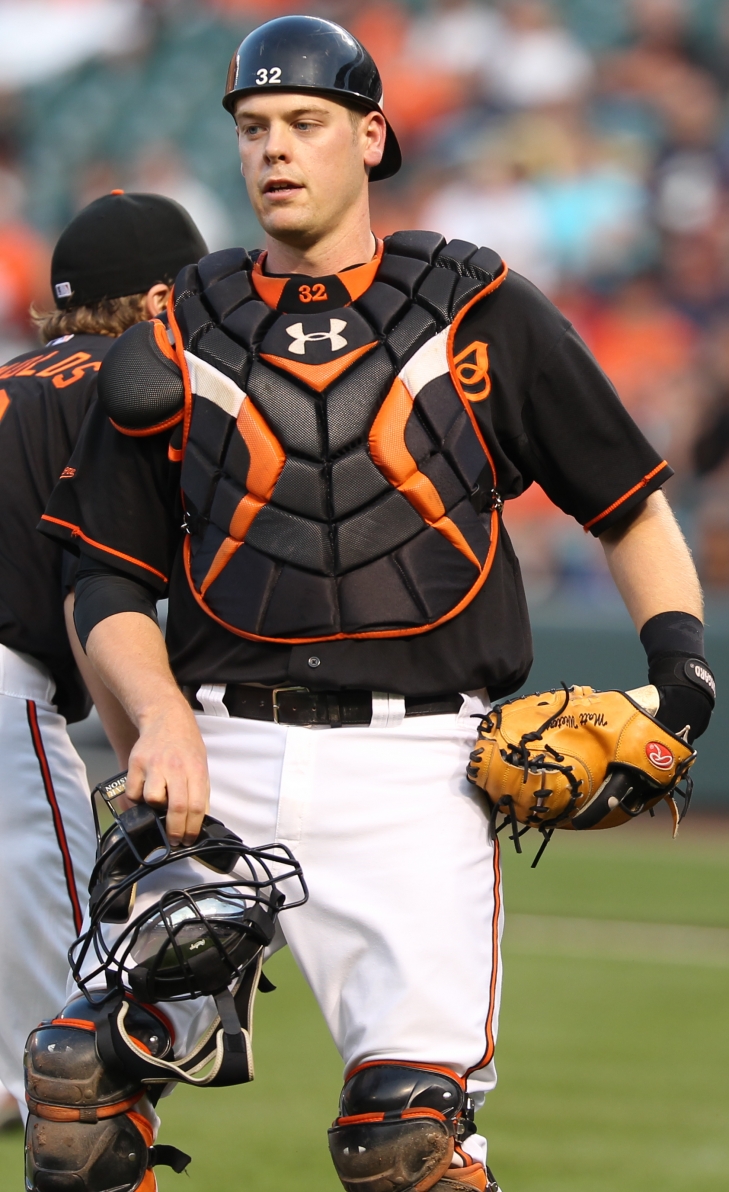
Drafted fifth overall in 2007 out of Georgia Tech, Matt Wieters arrived in Baltimore carrying some of the highest expectations in franchise history. Billed as a "transformational talent," Wieters didn't just meet the defensive standard—he set it. From his debut in 2009 through the club's return to postseason relevance, he served as the cerebral anchor of the Orioles' pitching staff and the primary voice in the clubhouse.
Wieters was a defensive juggernaut during his peak, winning back-to-back Gold Gloves in 2011 and 2012. His ability to shut down the running game and navigate high-leverage situations was central to the team's success under Buck Showalter. His peers across the league recognized this excellence, voting him to four All-Star Teams (2011, 2012, 2014, and 2016), solidifying his status as a premier AL backstop.
Offensively, Wieters provided a rare switch-hitting power threat behind the plate. While his batting average remained steady, his traditional power was undeniable; he reeled off three seasons with at least 22 home runs, becoming a key run-producer during the 2012 and 2016 playoff runs. Even after undergoing Tommy John surgery in 2014, he showed remarkable resilience, returning to provide veteran leadership and All-Star production before departing for Washington in 2017.
Wieters left Baltimore with 802 hits and 117 home runs, ranking him among the elite offensive catchers in franchise history.
49. Hoyt Wilhelm
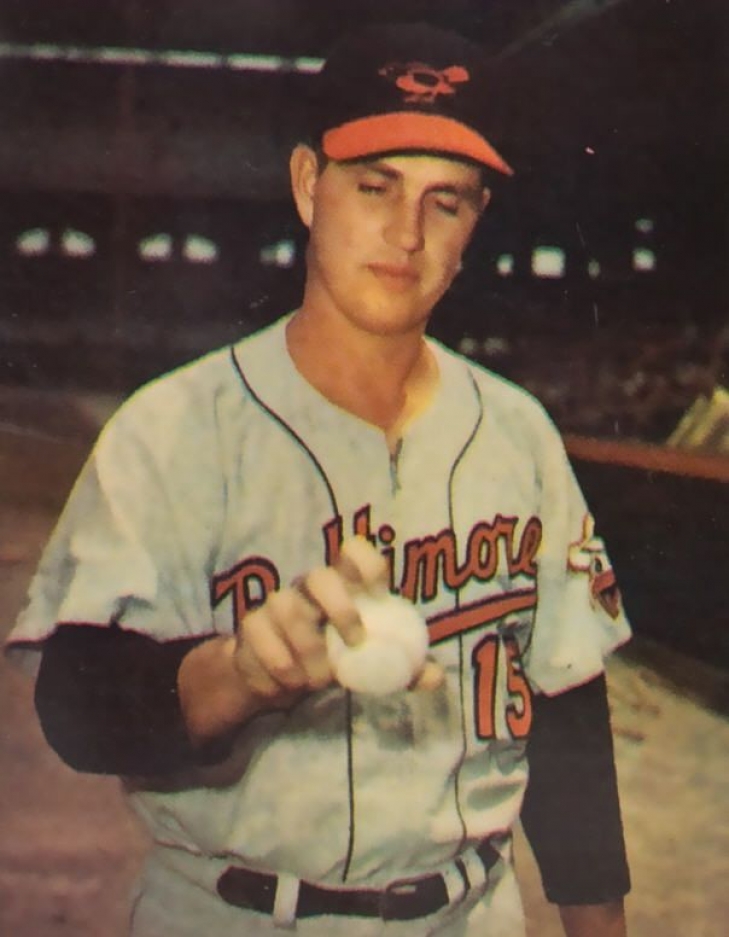
Hoyt Wilhelm was only with the Baltimore Orioles for four and half seasons, but he was an All-Star in three of them, and it was his stint there that would later propel him into Cooperstown.
46. Doug DeCinces
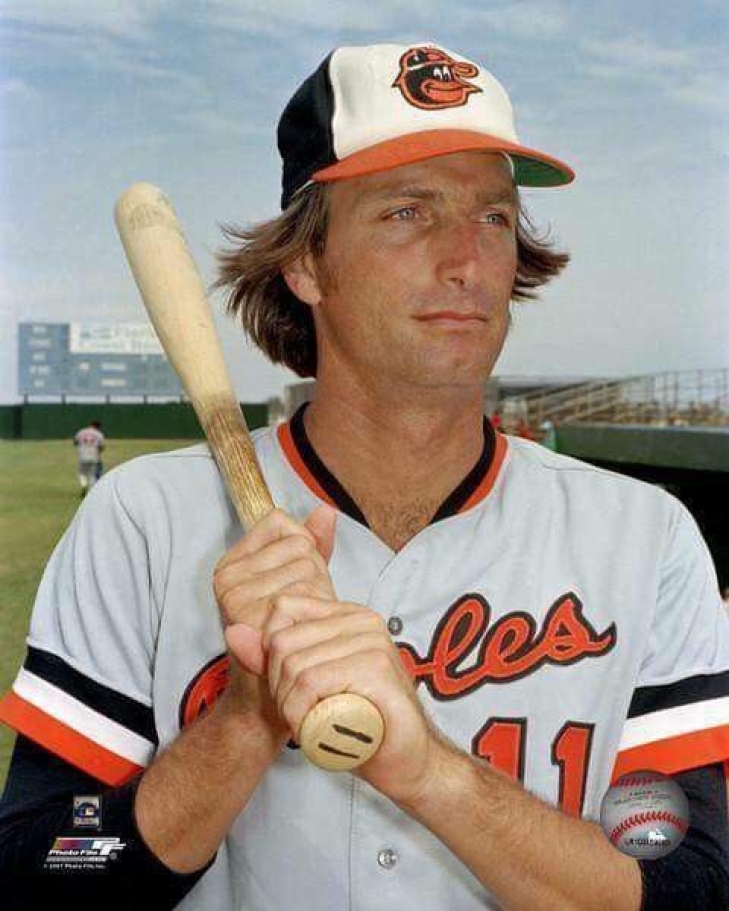
Stepping into the vacuum left by the retirement of Brooks Robinson was a task many deemed impossible, yet Doug DeCinces handled the transition with a blend of power and defensive poise that defined the Orioles' infield for nine seasons. While he spent years playing in the shadow of a legend, DeCinces emerged as one of the most productive third basemen in the American League during the late 1970s.
While traditional Gold Glove voters often overlooked him, modern advanced metrics reveal DeCinces was an elite defensive anchor. His Total Zone and dWAR figures during his Baltimore tenure confirm he was a legitimate defensive presence, often rivaling his peers in range and sure-handedness. Offensively, he provided a significant power upgrade at the position, reeled off four seasons of 16 or more home runs in Baltimore, and served as a key run-producer for the 1979 American League Champions.
His most iconic moment came in June 1979, the famous "Night of the Magic”, when his walk-off home run against Detroit ignited the phrase "Oriole Magic." Although his only All-Star appearance came later with the Angels, his foundational years in Baltimore were essential to the club's success. He left the Orioles with 738 hits, 107 home runs, and a robust .428 slugging percentage.
He was Inducted into the Orioles Hall of Fame in 2005.