

Site Admin
41. Mark Stuart

It's All In the Game
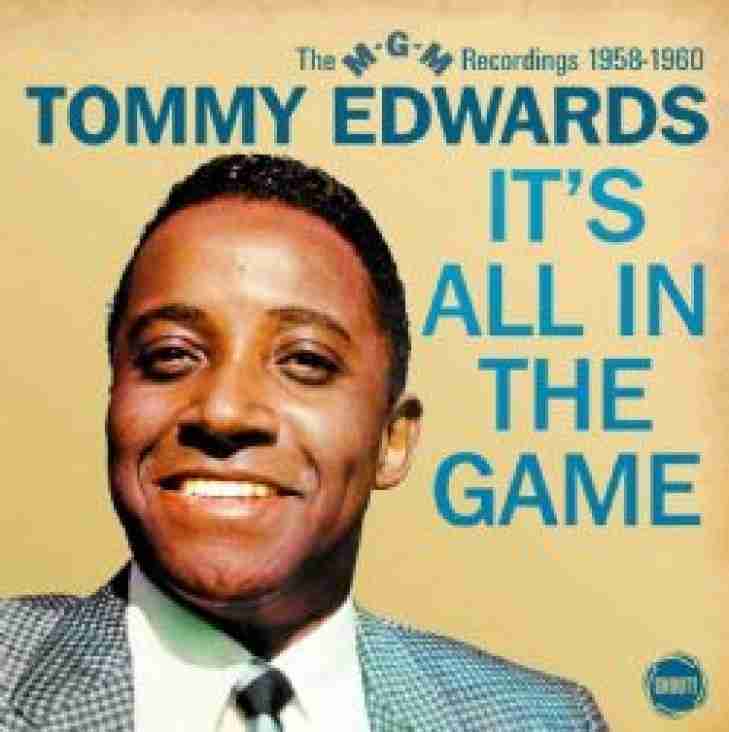
Tommy Edwards
It’s All in the Game
33. George Kell
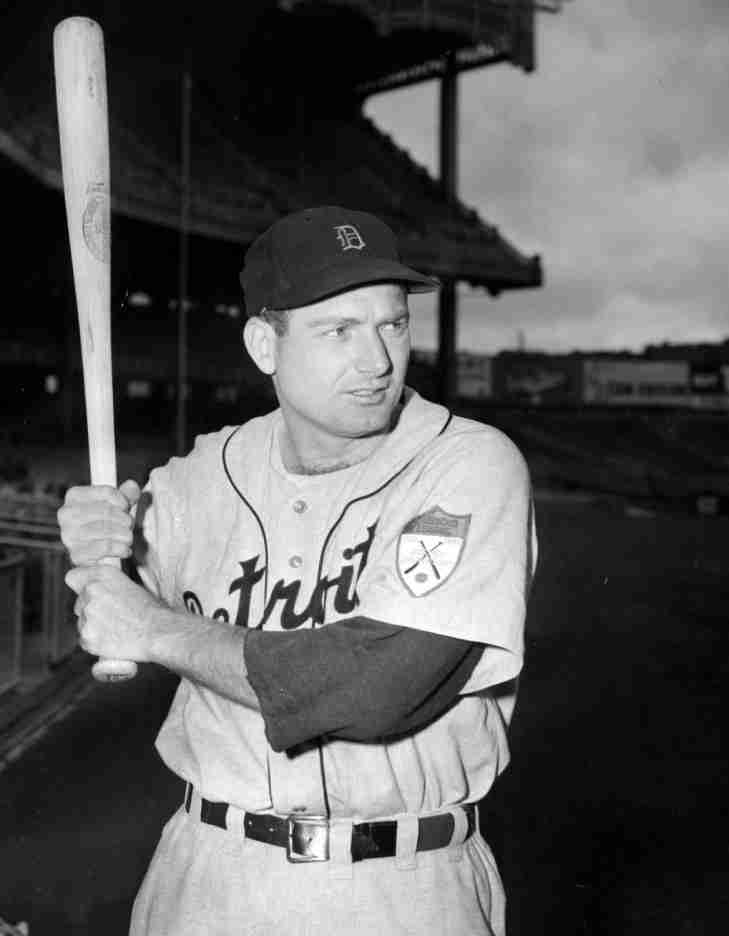
George Kell found his footing in Detroit after a mid-season swap with the Philadelphia Athletics in 1946, a move that immediately solidified the Tigers' infield. For seven seasons, he personified the pure contact hitter, utilizing a short, level swing to spray line drives across the grass of Briggs Stadium. While the era was often defined by the long ball, Kell carved out a Hall of Fame trajectory by mastering the strike zone.
during the 1949 season. In a race that came down to the final afternoon, he edged out Ted Williams to capture the American League batting title with a .343 average. This achievement marked his transition into the upper tier of the game’s elite, as he paired his offensive efficiency with a glove that earned him a reputation as one of the premier defenders of his generation. He showed the organization that a third baseman could be a primary engine for winning, leading the league in hits and doubles for the first of several times during his tenure.
The middle of his run in Detroit was characterized by a relentless ability to put the ball in play. Between 1947 and 1951, he was a perennial fixture in the All-Star starting lineup, earning five consecutive nods while wearing the iconic Old English "D." He surpassed 200 hits in back-to-back seasons and routinely finished among the leaders in on-base percentage, providing a steady-state offensive threat that made him a nightmare for opposing pitching staffs. Despite a lack of over-the-fence power, he eventually recorded 1,075 hits and a .325 batting average in just over 800 games with the club.
During the 1952 season, the Tigers traded their star infielder to the Boston Red Sox in a multi-player blockbuster. While he continued to produce elsewhere, his impact on the Detroit community never wavered. He was inducted into the National Baseball Hall of Fame in 1983.
Wade Barrett