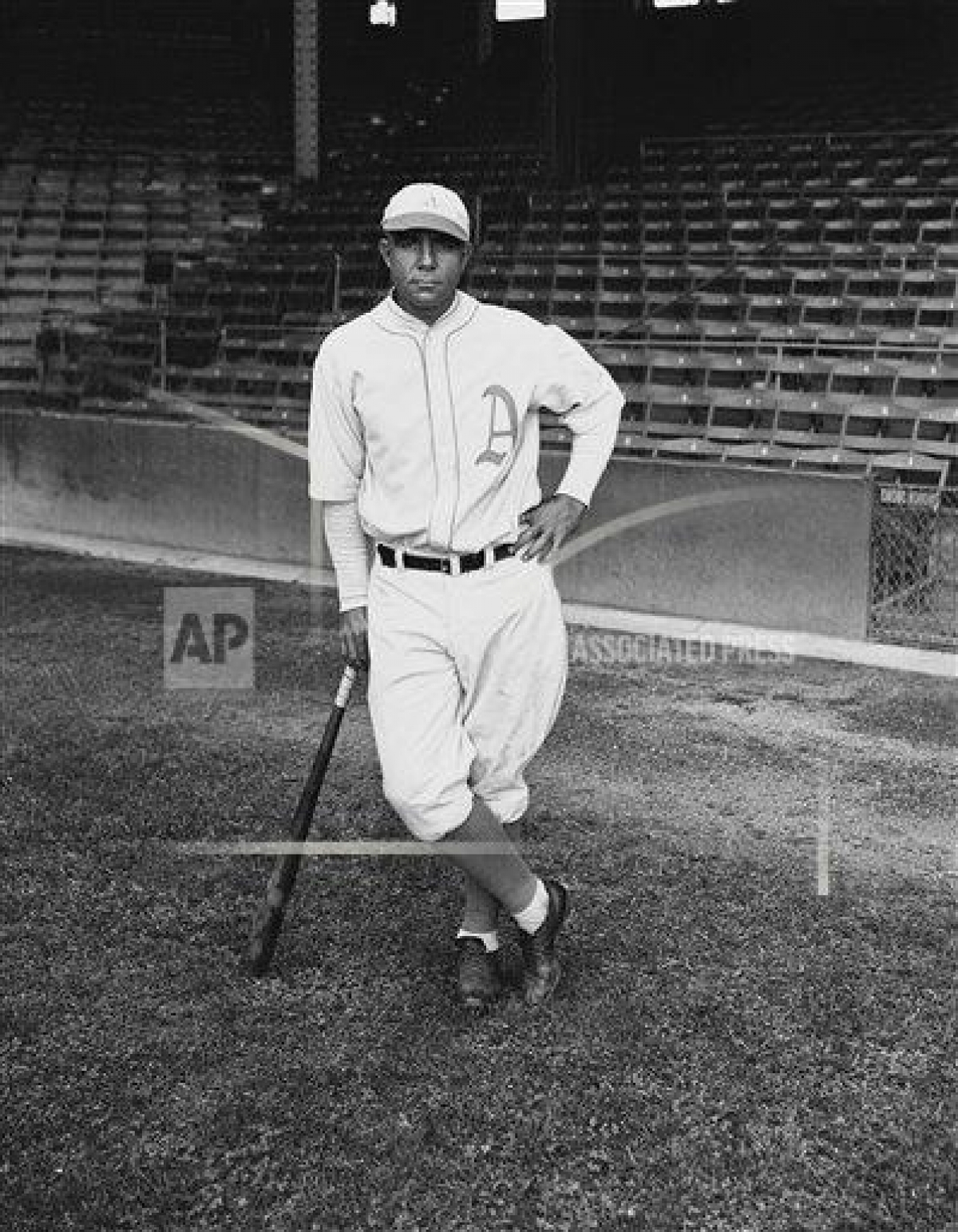
"Bing" Miller was a relatively late bloomer by baseball standards, not making his first extended major league appearance until he was a 26-year-old rookie with the Washington Senators. Seeking an injection of right-handed bat speed, Connie Mack engineered a trade to bring the Iowa native to Shibe Park ahead of the 1922 campaign.
The move proved highly fruitful. During his first four years with Philadelphia, Miller demonstrated exceptional contact-hitting skills, surpassing a .300 batting average three times. He narrowly missed a perfect four-for-four record, finishing at .299 in 1924. Despite his impressive performance, the team’s management viewed him as a tradeable asset in a competitive outfield market and sold him to the St. Louis Browns before the 1926 season.
However, his journey with the white elephant logo was not yet complete. Aware of the important veteran presence they had missing, Mack brought Miller back in 1928, placing him at the core of the franchise's most successful modern dynasty.
During his second period in Philadelphia, Miller posted three consecutive .300 seasons from 1928 to 1930, acting as a consistent line-drive hitter who regularly collected 150 hits annually for five summers in a row. Playing alongside legendary hitters Al Simmons and Mickey Cochrane, the right fielder was essential in helping the Athletics win consecutive World Series titles in 1929 and 1930.
He delivered his most crucial and impressive performance during the historic 1929 Fall Classic against the Chicago Cubs. Dominating National League pitching, Miller hit an outstanding .368 with four RBIs, including the renowned walk-off double in the bottom of the ninth inning of Game 5, which effectively secured the world championship for Philadelphia.
Advanced metric grids and modern spreadsheet purists do note that his defensive coverage in right field was a clear limitation, a reality that prevents him from climbing into the absolute top tier of all-time franchise outfielders. However, looking strictly at his defensive liabilities completely ignores his overwhelming regular-season volume and elite bat control.
Miller was released before the 1935 season, and with the Athletics, he batted .311 with 1,480 hits. He would later be chosen for the Philadelphia Baseball Wall of Fame in 1998.
Comments powered by CComment