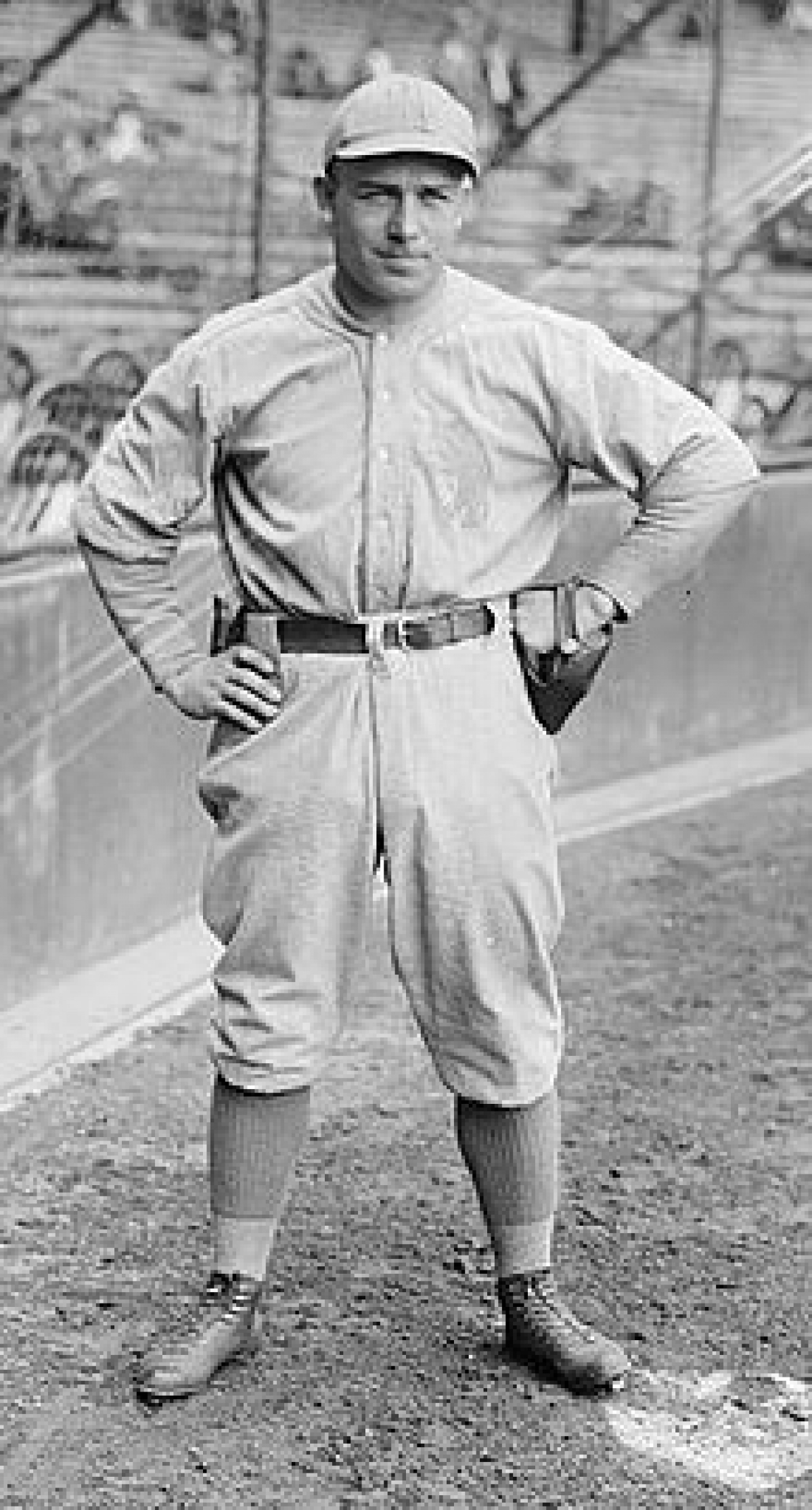
A Rule 5 Draft acquisition ahead of the 1918 season, expectations for Jimmy Dykes’s offensive production were incredibly low. Scouts widely regarded the gritty infielder as a premium glove-first prospect who possessed severe limitations at the plate. That scouting report looked entirely accurate during his first two brief tastes of the big leagues, as he slumped to a bleak, sub-.200 batting average that left many wondering if his bat would ever catch up to his defensive instincts. However, Connie Mack saw Dykes’ determination and baseball IQ despite a slow start. Given the second base job in 1920, Dykes transformed into a durable, respected franchise anchor.
His versatility became a crucial strategic asset for Mack as the roster evolved. Dykes managed second base flawlessly until the front office acquired additional middle-infield depth, prompting a smooth transition to third base. He secured the position with the same impeccable efficiency, employing an exceptional internal clock and a fast, accurate throwing arm to turn extra-base hits into routine outs.
As his defensive vacuum solidified the infield, his right-handed swing matured significantly. Dykes addressed his early critics by surpassing the .300 batting average threshold on four occasions while playing for Philadelphia, most notably by achieving a remarkable career-high .327 in 1929.
This exemplifies the ideal combination of superior defensive versatility and consistent, high-contact batting, which played a pivotal role in the organization’s development of its second legendary powerhouse dynasty. Dykes served as the cornerstone of the infield, leading the Athletics to secure three consecutive American League pennants from 1929 to 1931, including consecutive World Series titles in 1929 and 1930. He was an unwavering performer under high-pressure conditions at the sport's most significant events, notably driving in four runs during the remarkable eight-run rally in Game 4 of the 1929 Fall Classic against the Chicago Cubs.
While the roster remained an elite American League force into the early 1930s, the harsh financial realities of the Great Depression soon forced a painful institutional transition. With plummeting attendance threatening the franchise's solvency, a cash-strapped Mack was forced to liquidate his high-priced stars. Following the 1932 campaign, Dykes was packaged with legendary outfielder Al Simmons and Mule Haas and sold to the Chicago White Sox in a massive blockbuster deal designed to keep the Philadelphia front office afloat.
With the Athletics, Dykes accumulated 1,705 hits, 365 doubles, and gained entry into the Philadelphia Baseball Wall of Fame in 1984.
Comments powered by CComment