
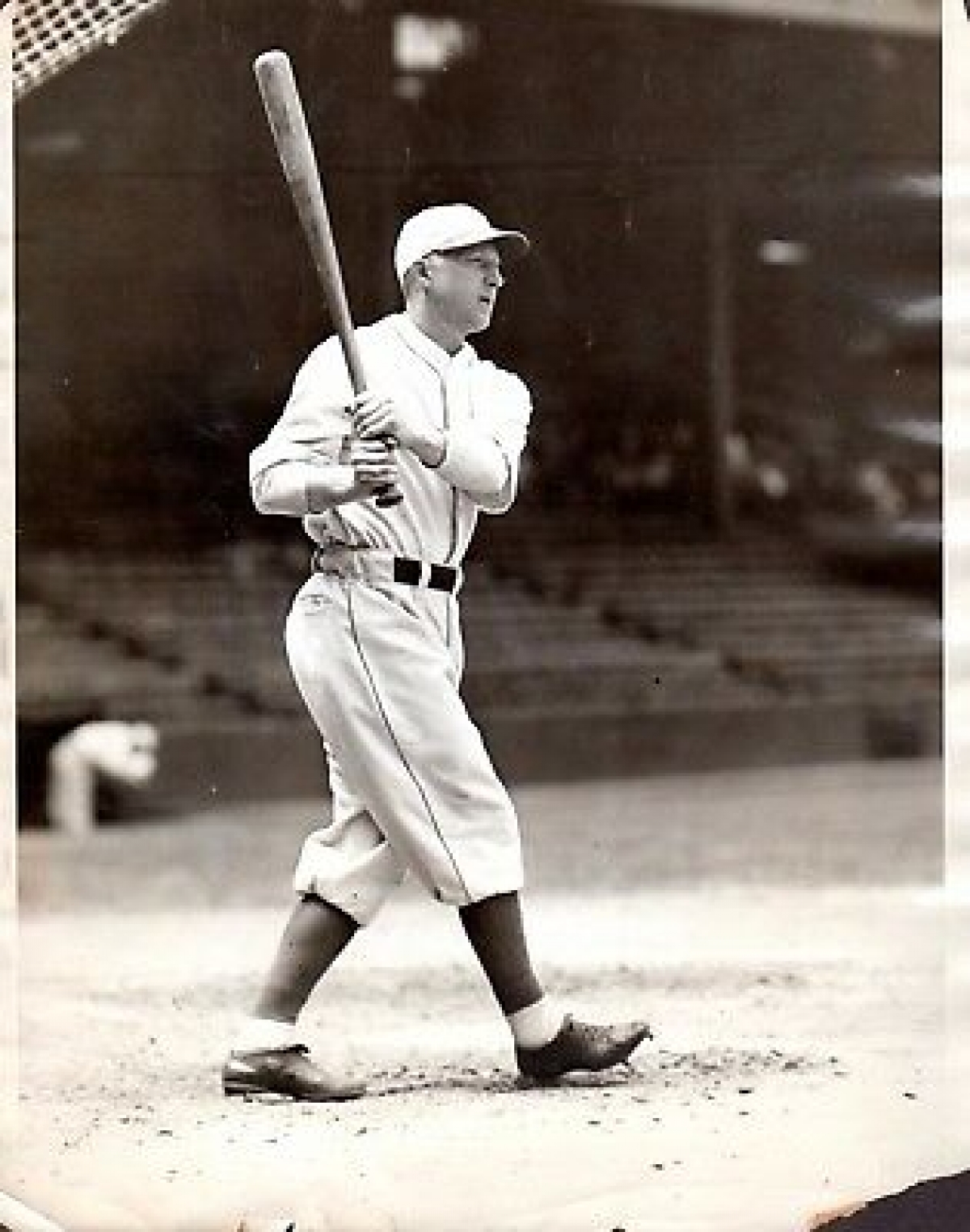

When Connie Mack established his second illustrious Philadelphia Athletics dynasty in the late 1920s, he assembled a roster featuring explosive, free-swinging Hall of Fame-caliber power. Nevertheless, to ensure the effective operation of this formidable lineup, the team required a highly disciplined and intensely focused lead-off batter. This role was fulfilled by Max Frederick Bishop. Renowned for his exceptional and precise strike zone discipline, earning the renowned nickname "Camera Eye”, Bishop’s decade-long service as a ball player who weaponized patience.
In 1924, Bishop secured the permanent starting position at second base, thereby providing Philadelphia with a highly valuable, versatile asset. Had the Rawlings Gold Glove Award been available during the transitional period between the dead-ball and live-ball eras, his collection of awards would have been substantial. He demonstrated an exceptionally flawless defensive technique, integrating superb footwork with an extraordinary sense of timing.
The comprehensive analysis of his defensive worth is substantial: he officially led the entire American League in Defensive bWAR during the 1931 season, ranked within the top ten on six additional occasions, and achieved the highest overall fielding percentage among his positional counterparts on three separate occasions.
Nevertheless, it was his innovative approach at the plate that genuinely perplexed opposing pitching staff. In an era where batters were encouraged to swing aggressively to escape the strike zone, Bishop regarded a base on balls as a home run. Although mainstream publications occasionally mischaracterized him as a light hitter owing to his modest .272 batting average with the Athletics, his capacity to generate offensive opportunities was historically exceptional.
Bishop achieved an impressive .423 on-base percentage over his decade-long tenure in Philadelphia, attaining six top-five positions in the American League OBP rankings. His unwavering patience was exemplified during the 1929 season, when he led the league with 128 walks, consistently creating opportunities for the formidable hitters behind him.
This distinctive blend of a low-variance foundational skill set and a flawless defensive record served as a pivotal catalyst during the franchise's golden era. Bishop provided stability at the top of the lineup, leading the Athletics to securing three consecutive American League pennants from 1929 to 1931, including consecutive World Series championships in 1929 and 1930. He participated in all 18 of those intense Fall Classic contests, executing his defensive responsibilities flawlessly across all 69 chances without a single error, thereby effectively counterbalancing a characteristically modest .182 postseason batting average with a highly profitable .316 on-base percentage.
The profound economic conditions of the Great Depression ultimately resulted in a rapid termination of his tenure in Philadelphia. With the front office urgently seeking liquidity to maintain the franchise's financial stability, Connie Mack arranged a significant roster liquidation after the 1933 season. Bishop was included among distinguished pitchers Lefty Grove and Rube Walberg, and was subsequently traded to the Boston Red Sox in exchange for a substantial cash sum and additional players.

Comments powered by CComment