
Site Admin
25. Darrell Porter
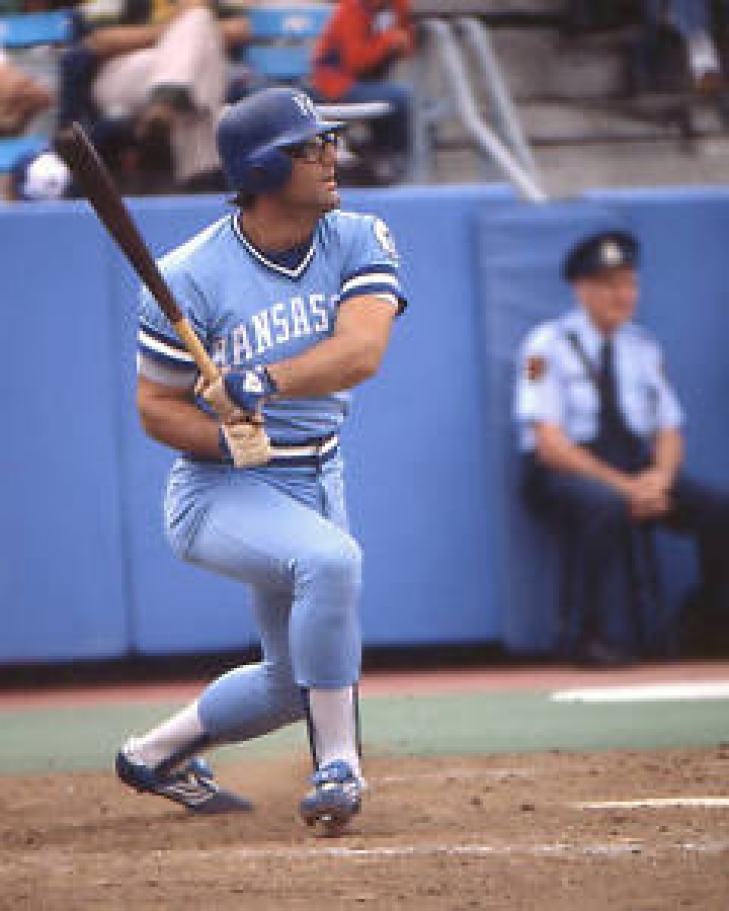
Darrell Porter would play more seasons with Milwaukee and would win a World Series with St. Louis (where he was both the NLCS and World Series MVP) but in between those teams he played the best baseball of his career with the Kansas City Royals.
20. Larry Gura
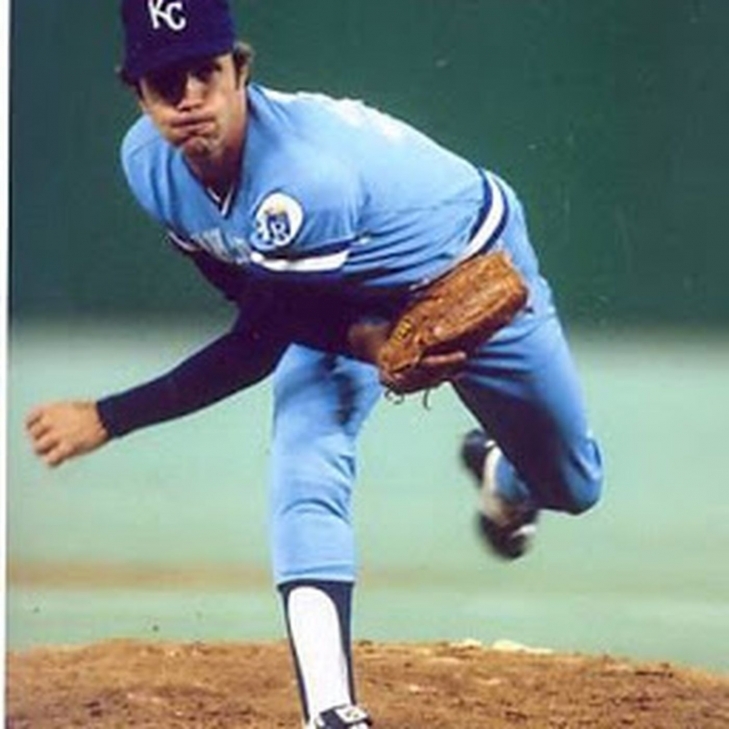
A National Champion at Arizona State Larry Gura would have mediocre stints with the Chicago Cubs and New York Yankees before the latter traded him to Kansas City. It would be in the Midwest where the southpaw would find himself as the Royals’ sometimes ace.
22. Charlie Leibrandt
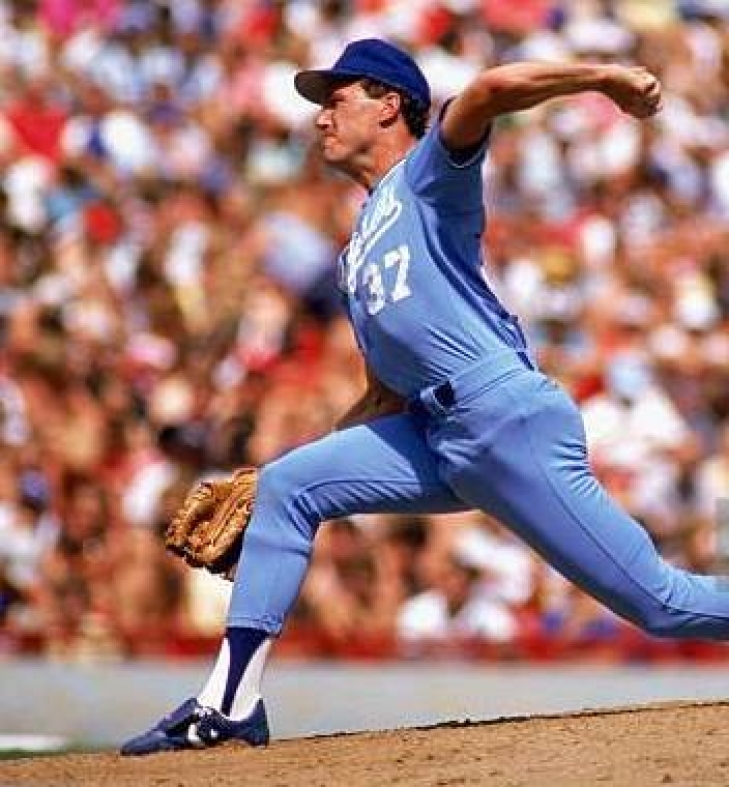
17. Paul Splittorff
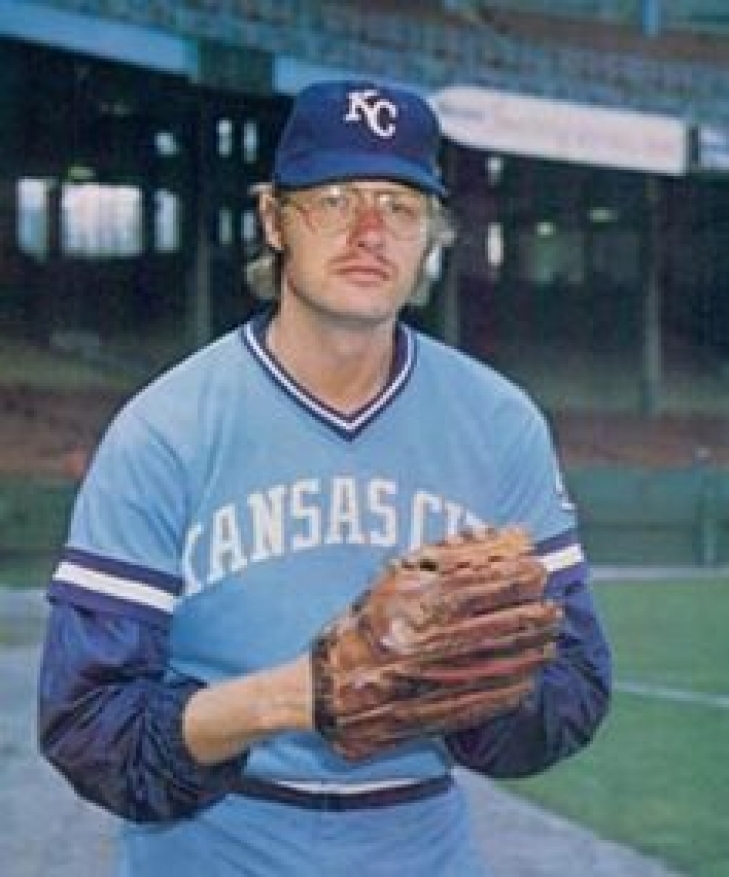
Paul Splittorff became the quintessential fixture of the Kansas City rotation by way of the 1968 draft, joining the organization before they had even played a major league game. For fifteen seasons, the lanky left-hander provided a specialized brand of durability, functioning as the primary engine for the franchise's first championship-caliber teams.
Splittorff’s journey in a Royals uniform reached a historic milestone during the 1973 campaign. That summer, he secured his place in franchise lore by becoming the first 20-game winner in Kansas City history, a high-frequency display of reliability that saw him lead the staff with 38 starts. This achievement signaled his transition from a young prospect to a workhorse who specialized in eating up innings. He showed the organization that he was a foundational piece of the rotation, providing the dependable, day-to-day production required to stabilize a rapidly improving roster.
The bulk of his Missouri years were defined by elite consistency during the team's most competitive era. Between 1977 and 1980, Splittorff was a statistical force of stability, winning at least 14 games each season and routinely surpassing the 200-inning mark. He reached a career peak for high-stakes value during the intense postseason battles of the late seventies, famously earning the "Yankee Killer" moniker for his efficiency in October. He recorded crucial victories in both the 1976 and 1977 ALCS against New York, maintaining a focused intensity that allowed him to thrive even when the national spotlight favored his opponents.
In 1984, he had amassed franchise records for wins, starts, and innings pitched, marks that reflected his status as the most durable pitcher to ever wear the uniform. He left behind a statistical footprint of 166 wins and 1,057 strikeouts,