

Site Admin
21. Kent Hrbek
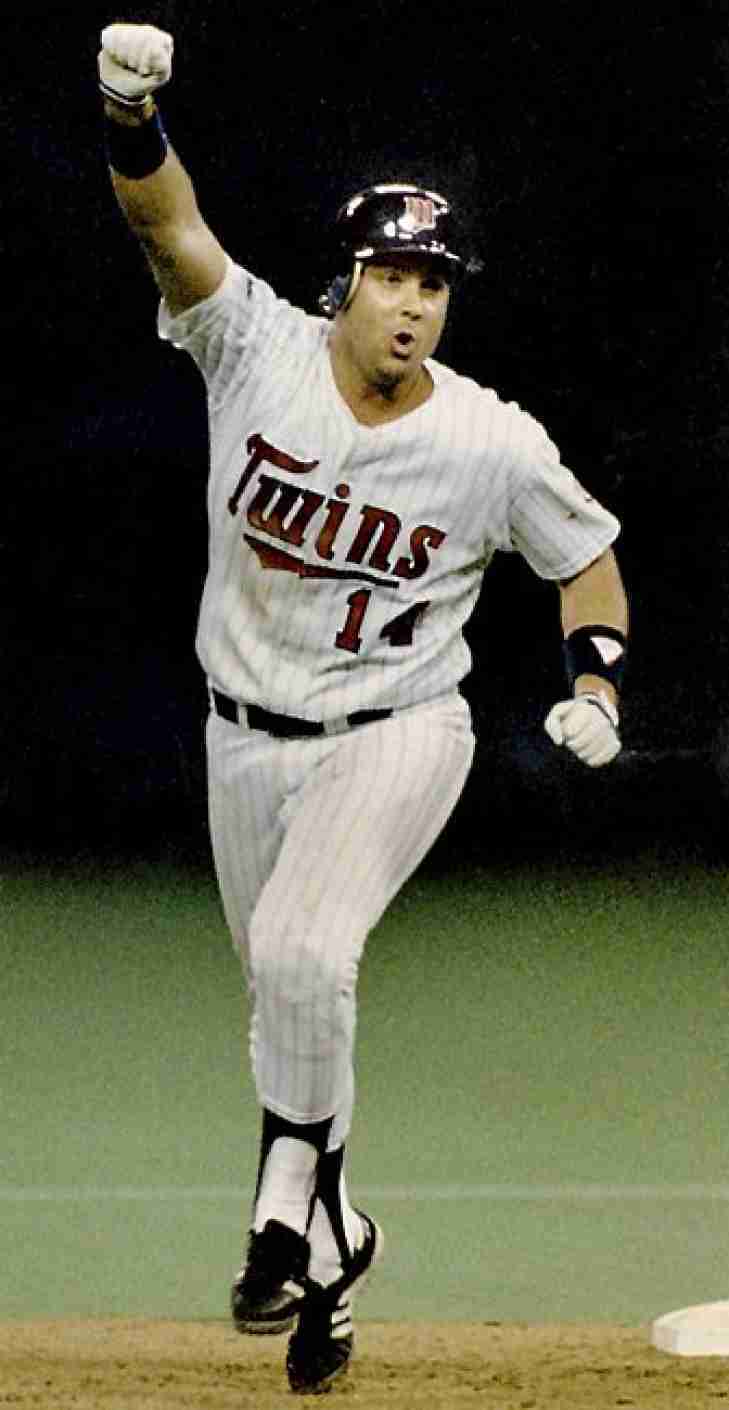
Kent Hrbek first stepped into the Met Stadium spotlight in 1981, a local product from Kennedy High School who became the quintessential "Lifer" for his hometown organization. While other stars of his era chased free-agent riches, he anchored first base for the Twins across 14 seasons,
In 1982, Hrbek was runner-up for AL Rookie of the Year, behind Cal Ripken Jr. In 1984, he hit .311 with 27 home runs and 107 RBI, finishing as MVP runner-up to Willie Hernandez.
Hrbek truly shined during the franchise's most exciting postseason moments. In the 1987 World Series, he delivered a memorable Grand Slam in Game 6, helping to build the momentum that led to Minnesota's first championship. Once again in 1991, he was a key figure, bringing veteran leadership and power that helped secure a second title. Over his career, Hrbek amassed 1,749 hits and 293 home runs, placing him at the top of the franchise's offensive records.
Hrbek retired after the 1994 season, and the Twins retired his number 14 the season after. They inducted Hrbek into their Hall of Fame in 2000, as part of their inaugural class.
22. Bob Allison
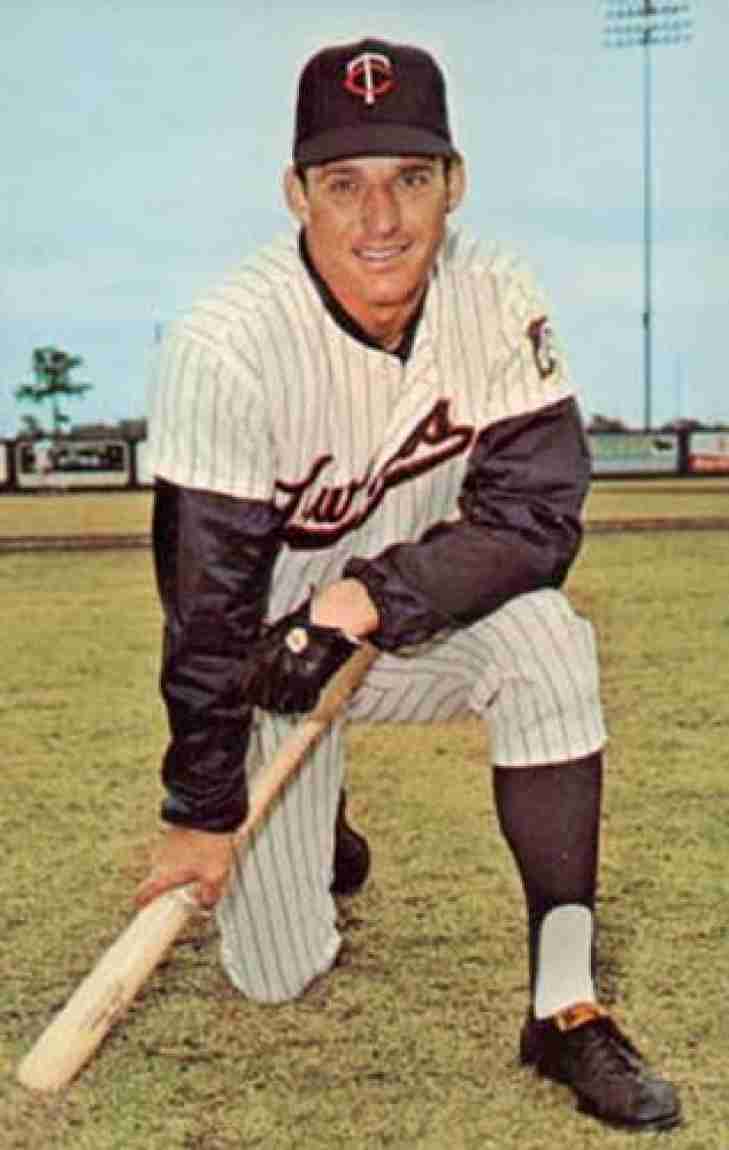
Bob Allison first broke into the American League in 1958 with the Washington Senators, a physical, 6-foot-4 athlete who would remain a fixture for the franchise through its move to Minnesota in 1961. Known for a specialized combination of "pop" and a defensive "cannon," he anchored the lineup alongside Harmon Killebrew for over a decade.
Allison quickly made an impact, reaching a rookie peak with a .261 batting average, leading the league with 9 triples, and hitting 30 home runs. He won the American League Rookie of the Year award and earned his first All-Star selection. A key player, he proved that his unique mix of speed and power was vital for the Senators before their move to the Twin Cities.
In 1963, he had a stellar season, leading the AL in runs scored (99), OPS (.911), and hitting 35 home runs. He became the first Twins player to lead the league in WAR, showing his value both offensively and defensively. In 1964, he hit 32 homers and was selected to his third All-Star team.
In 1965, despite a fractured wrist, Allison made a legendary backhand catch in the World Series against the Dodgers, celebrated as one of the franchise's greatest. He retired in 1970 with 1,281 hits and 256 home runs, all with the Senators or Twins. His legacy was finalized in 2003 when he was inducted into the Minnesota Twins Hall of Fame.
19. Mickey Vernon
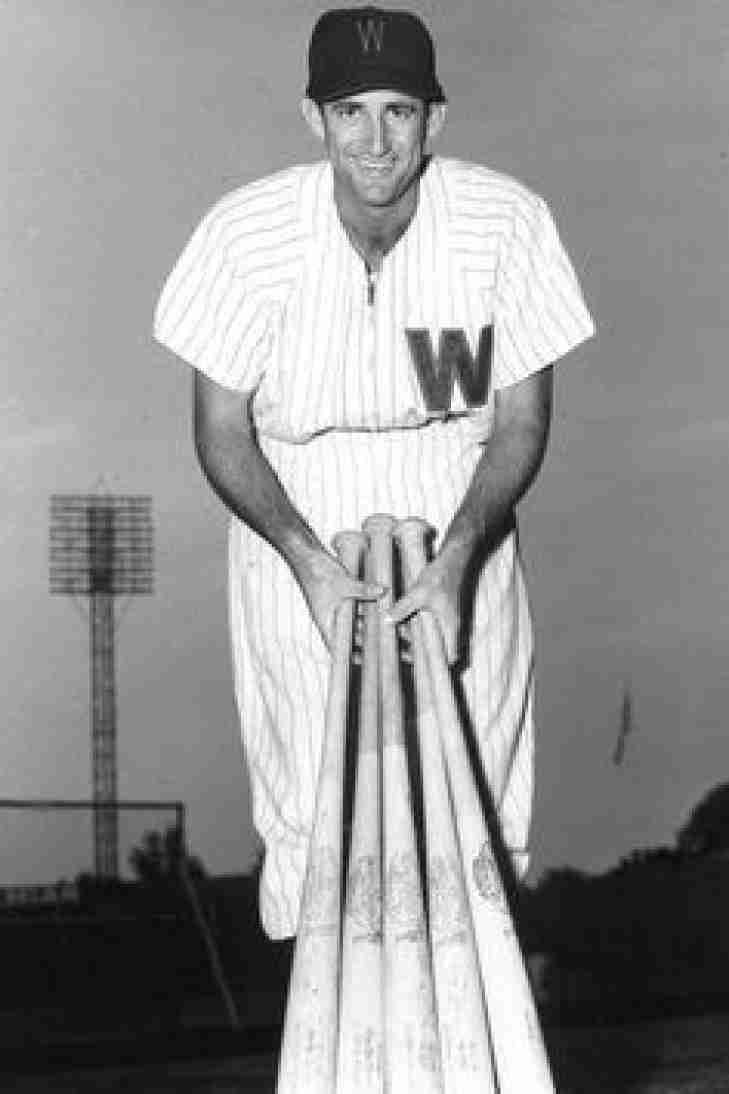
Mickey Vernon debuted in Washington in 1939 as a graceful left-handed first baseman and a key infield presence for nearly two decades. Despite a career partly interrupted by military service and trades, he was the Senators’ top pure hitter in the post-war era.
Vernon improved annually, missing two years in WWII. After returning in 1946, he made his first All-Star team and won a Batting Title. The next two years were less successful, and he was traded to Cleveland after 1948. His stay there was brief: after just over a year, the Senators traded to bring him back. In June 1950, Washington re-acquired Vernon for Dick Weik, enabling him to reach new heights in the city where he started his career.
Vernon reached his peak recognition in 1953 during his second season with the club. He achieved his second Batting Title with a .337 average, the only player in franchise history to win two. He led the league in doubles (43) and had 115 RBI, showcasing command of the strike zone and gaps. Vernon finished third in MVP voting, behind Al Rosen and Yogi Berra.
On November 14, 1955, the Senators completed a trade, sending Vernon to the Boston Red Sox along with Bob Porterfield, Johnny Schmitz, and Tom Umphlett. In return, Washington received a five-player package that included Karl Olson, Tex Clevenger, and Dick Brodowski. While he reached a historic career total of 2,495 hits, with 1,993 in a Senators uniform, his ranking often sparks high-leverage debate due to specialized defensive hurdles. He reached a plateau of frustration in the field, never recording a season with a positive Defensive bWAR as a Senator.
He left the Senators as a five-time All-Star with a nice batting average of .298.
20. Joe Cronin
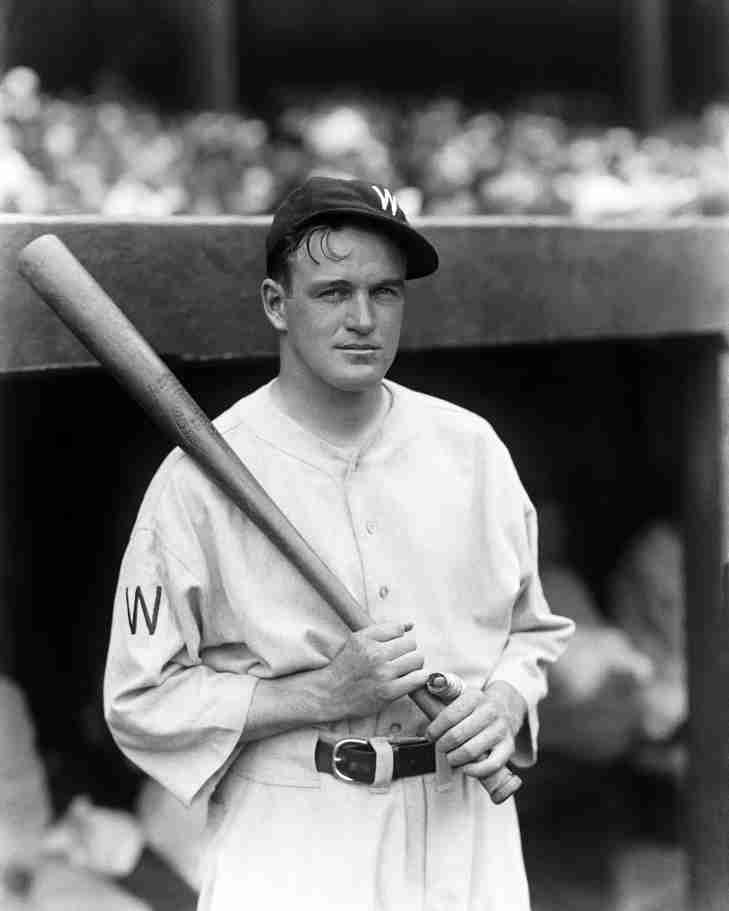
Joe Cronin did not play much for the Pittsburgh Pirates, but he was a star in waiting. So much so, the Senators paid the Pirates $7,500 to acquire his services before the 1928 season.
After becoming a regular in 1929, Cronin achieved his peak performance in 1930, hitting .346 with 126 RBIs and earning the Sporting News MVP Award. He owned the field, establishing himself as a key professional for the Senators by reaching 100 RBIs in five straight seasons. Known for his exceptional defensive skills, he led the American League in Defensive WAR three times (1930, 1931, 1933) and frequently topped the league in putouts and assists. His most notable recognition came in 1933 when he served as both player and manager, guiding the team to an AL Pennant and finishing as the MVP runner-up.
The Senators traded their star player-manager to the Boston Red Sox for $250,000 and shortstop Lyn Lary. While gaining fame in Massachusetts, he finished his Washington career with 1,090 hits and a .304 batting average. Entering the 2026 season, he's remembered as a Baseball Hall of Famer (Class of 1956) and a top shortstop of the D.C. era.
In Washington, Cronin compiled 1,090 hits, 51 home runs, and a .304 batting average