
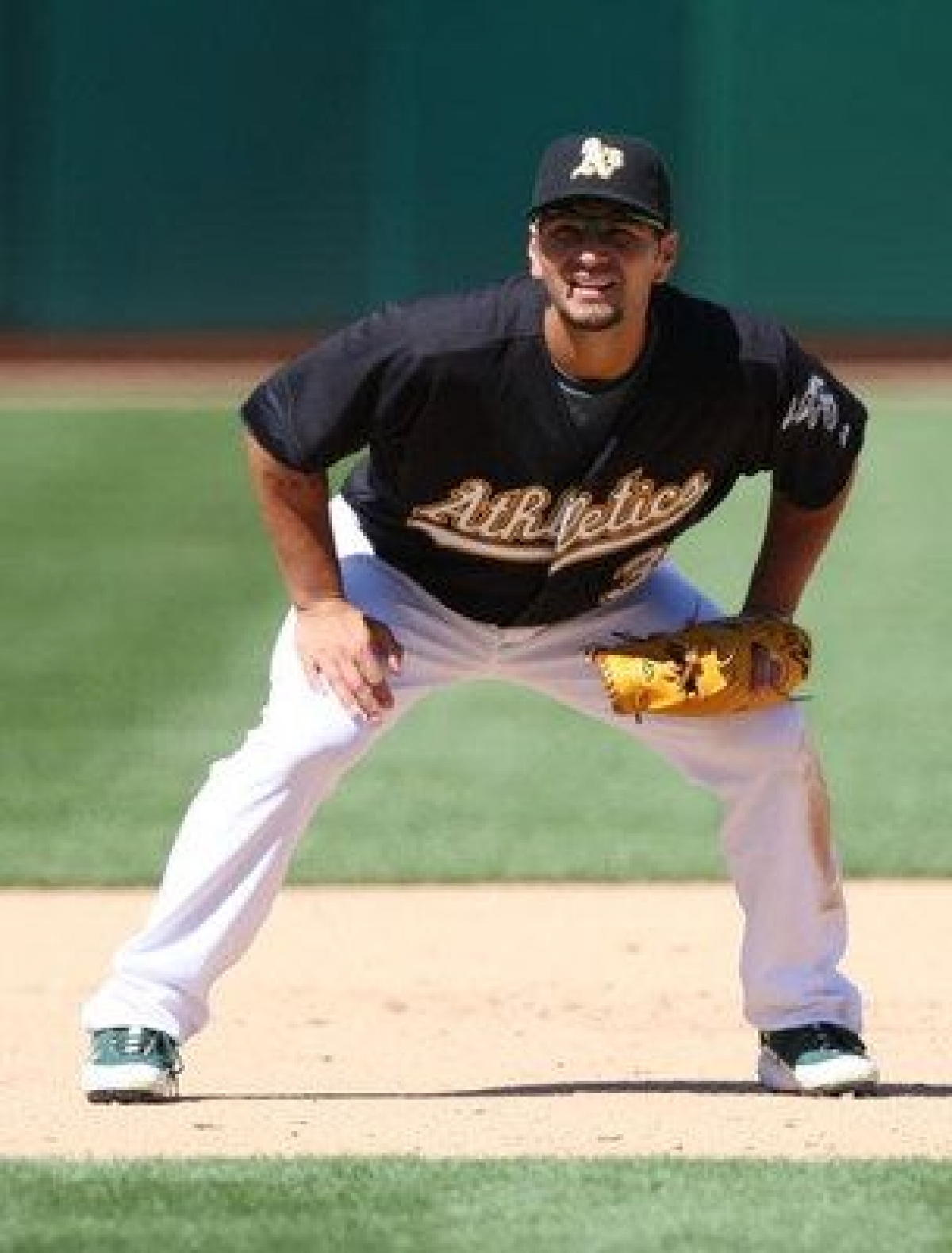




When the Oakland Athletics selected Eric Chavez tenth overall in the 1996 draft, they gained a player whose career would stand out as one of the most unique and unpredictable of his time. For more than ten years, Chavez served as the quiet, reliable anchor for the "Moneyball" teams. He is still recognized by many historians as one of the best players who never made an All-Star Game, despite being a top two-way performer during his physical prime.
Chavez officially debuted in the major leagues late in the 1998 season. By the 2000 campaign, he had firmly secured the hot corner in the East Bay. Offensively, he contributed significant power to the lineup, maintaining a highly productive seven-year period from 2000 to 2006, during which he consistently exceeded 22 home runs. He exceeded the 30-homer mark on two occasions, most notably with a career-high of 34 home runs in 2002, and utilized his formidable batting to achieve membership in the exclusive 100-RBI club four times.
Although he never fully achieved a .300 batting average over a summer, his exceptional ability to accumulate extra-base hits was outstanding. Chavez achieved four straight seasons from 2001 to 2004 with a slugging percentage exceeding .500, a remarkable streak that peaked offensively when he won the 2002 American League Silver Slugger Award.
Nonetheless, despite the potency of his left-handed swing, his principal achievements were realized in defensive play. Chavez was an exemplary defensive specialist, combining exceptional lateral mobility with a rapid-throwing arm to establish third base as an area of superior defense. He initiated a historic sequence of defensive excellence, earning six consecutive Rawlings Gold Glove Awards from 2001 to 2006. His spatial awareness and defensive motivation were unparalleled; he led all American League third basemen in Range Factor per Game for three consecutive seasons (2002 to 2004) and twice ranked first among his peers in overall fielding percentage.
Chronic back and shoulder injuries after 2006 significantly disrupted his career, leading to surgeries that limited his playing and reduced his power. Despite this, he stayed loyal, with the longest tenure on the roster of his era. He left the East Bay after 2010 to reinvent himself as a reliable veteran bench player for the Yankees and Diamondbacks before retiring.
In Northern California, Chavez accumulated 1,276 hits, 230 home runs, and would join the Athletics Hall of Fame in 2022.

Comments powered by CComment