
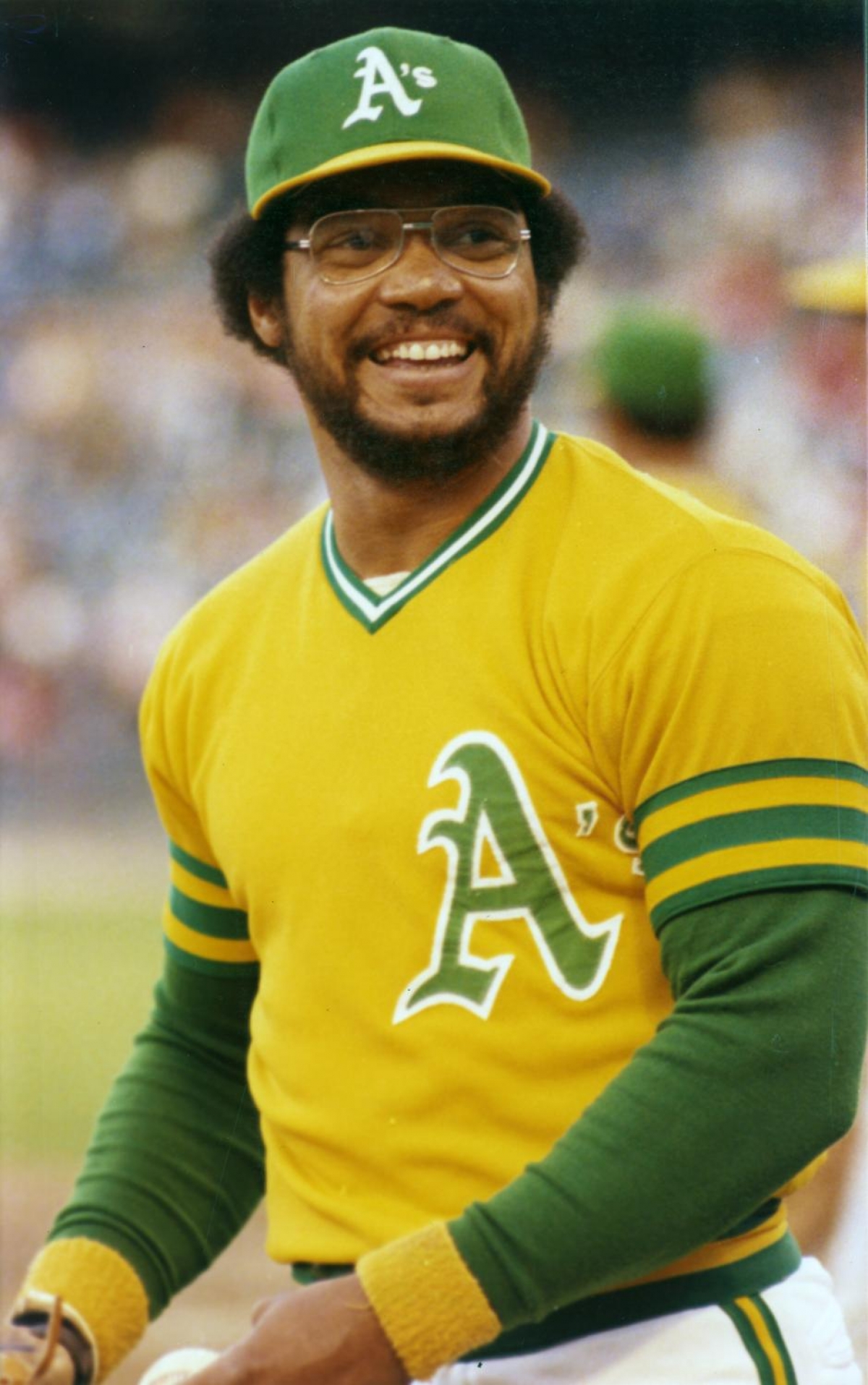





Reggie Jackson joined the organization in 1967, bringing incredible talent right from the start. He made his debut during the team’s last days in Kansas City and quickly became the heart of the lively "Swingin' A's" era in Oakland. Famous for his powerful, corkscrew swing that either sent the ball soaring for a home run or led to a strikeout, Reggie was truly one of the most captivating personalities in baseball.
Reggie Jackson came up with the A’s when they were still in Kansas City (1967), and he would become a starter the following year when the franchise relocated to Oakland. That year would show precisely what everyone should forever expect from Jackson. He went deep 29 times and led the AL in Strikeouts, but he was always a must-watch at bat.
In 1968, during the franchise's first year in Oakland, Jackson achieved a landmark by hitting 29 home runs, marking the arrival of a new kind of superstar who was not only a talented athlete but also a captivating showman. He continued to soar in 1969, delivering an impressive first-half performance that had him on track to challenge the all-time home run record, and he finished the year with 47 home runs and 118 RBIs.
Between 1970 and 1972, Jackson smoothly transitioned from a promising young slugger to a strategic leader guiding a rising powerhouse. Though he missed part of the 1972 postseason due to a high-stakes injury from stealing home in the ALCS, his outstanding regular-season performance, culminating in 25 home runs and 80 RBIs, was the key reason the Athletics made it to the Fall Classic and began their championship journey. By 1973, he had firmly established himself as a top run-producer, blending impressive power with a refined eye for drawing walks, paving the way for his unanimous MVP season.
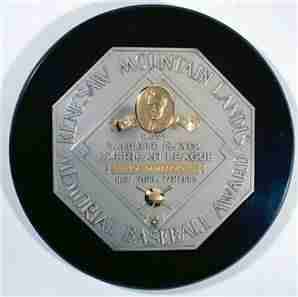
Jackson achieved his peak in Oakland in 1973, giving us a season that still stands as a proud record for the franchise. He topped the American League in home runs (32), RBIs (117), and slugging percentage (.531), earning him the well-deserved title of American League MVP, chosen unanimously. Following this incredible season, he shone brightly in the playoffs, guiding Oakland to back-to-back championships and earning World Series MVP honors after hitting .310 and smashing a crucial home run in Game 7. He was a key figure in a team that celebrated a historic "three-peat" from 1972 to 1974, showing that his athletic talent was at its best when a championship was at stake.
His tenure in Oakland would end when he was due to become a Free Agent, and the A's Owner, Charlie Finley, arranged a trade to the Baltimore Orioles, believing he could not afford to sign him. Jackson’s overall numbers with the Athletics would see him blast 269 Home Runs with a .496 Slugging Percentage.
Jackson would enter the Baseball Hall of Fame in 1993, and in 2009, his number 9 was retired by the team. When the Athletics created their own Hall of Fame in 2018, he was inducted into the first class.

Comments powered by CComment