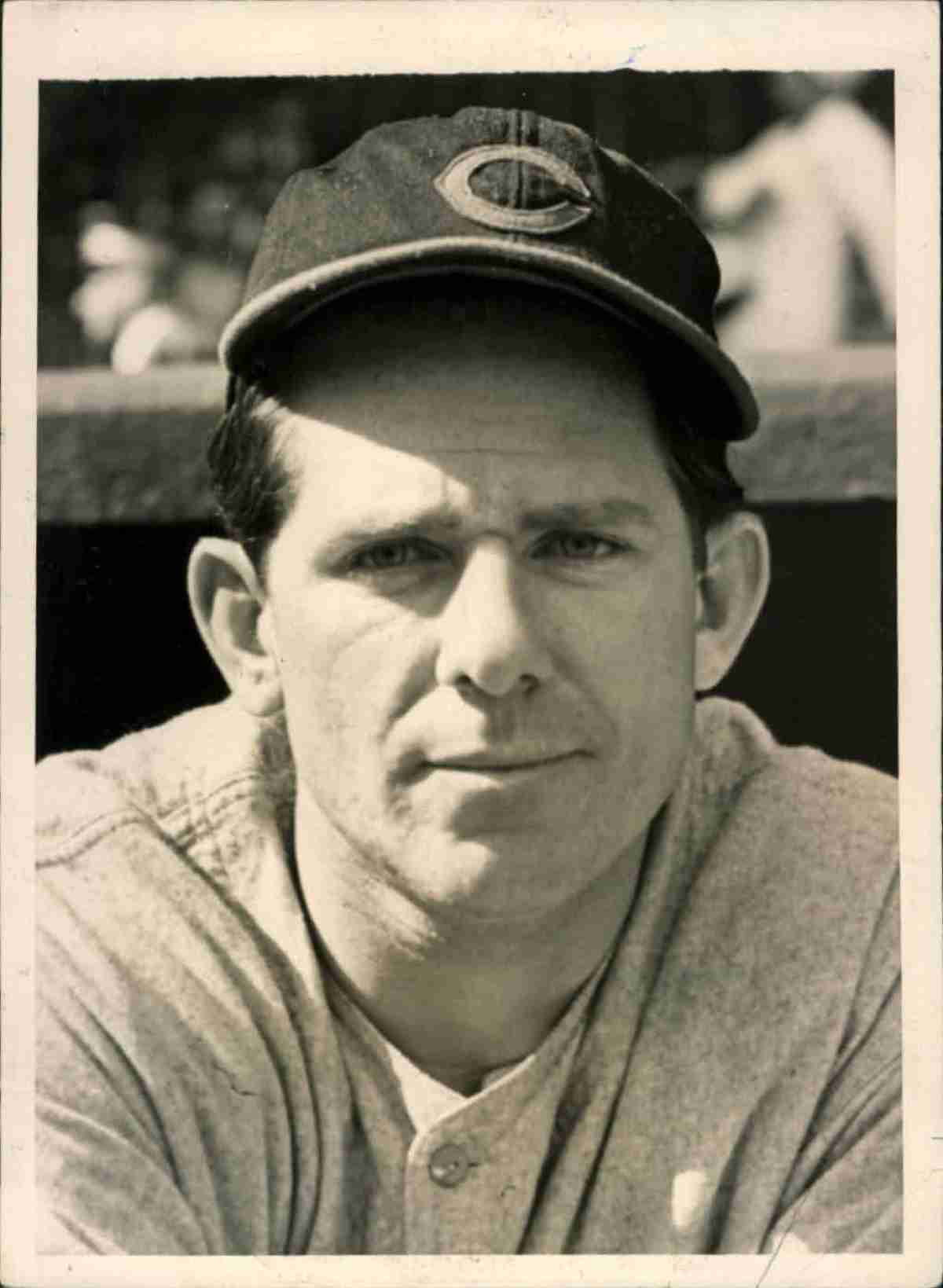
When the Reds acquired Derringer in 1933, they were gambling on a talent that had yet to find its consistency. That gamble paid off as Derringer matured into a surgical force, eventually winning 161 games in a Cincinnati uniform. He became a fixture in the All-Star game, earning six selections, including a run of five straight years, and authored four 20-win campaigns. His signature was a terrifying lack of charity; in an era of high-scoring offenses, Derringer’s refusal to walk batters made him one of the most efficient run-suppressors in the game.
The peak of his dominance was recognized far beyond the pitcher's mound, as he finished in the top five of the MVP voting in both 1939 and 1940. This was a rare feat for a hurler in that era, but it reflected his status as the heartbeat of a winning culture. He wasn't just piling up wins; he was a tactical master who used his control to dictate the pace of play. During his prime years on the staff, he was the guy the Reds called upon to stop a losing streak or secure a vital divisional lead, providing a stabilizing presence that gave the entire roster confidence.
His legacy was truly cemented during the 1940 World Series against the Detroit Tigers. Haunted by previous postseason struggles, Derringer authored a narrative of redemption that remains legendary in Cincinnati lore. He took the ball in both Game 4 and Game 7, delivering masterful performances that steered the franchise to its second World Championship. By winning the deciding game of the Fall Classic, he exorcised his playoff demons and proved that he was a big-game titan capable of carrying a team across the finish line.
The sun eventually set on his time in Cincinnati after the 1942 season, when he moved on to the Chicago Cubs, but he left behind a body of work that few could match. He concluded his journey with the Reds as one of the most reliable and decorated arms in the history of the senior circuit. Whether it was the sheer volume of his wins or the precision of his command, he set a standard for Reds pitching that would last for decades.
In a fitting tribute to his massive impact, the organization named him one of the four inaugural members of the Cincinnati Reds Hall of Fame in 1958.
Comments powered by CComment