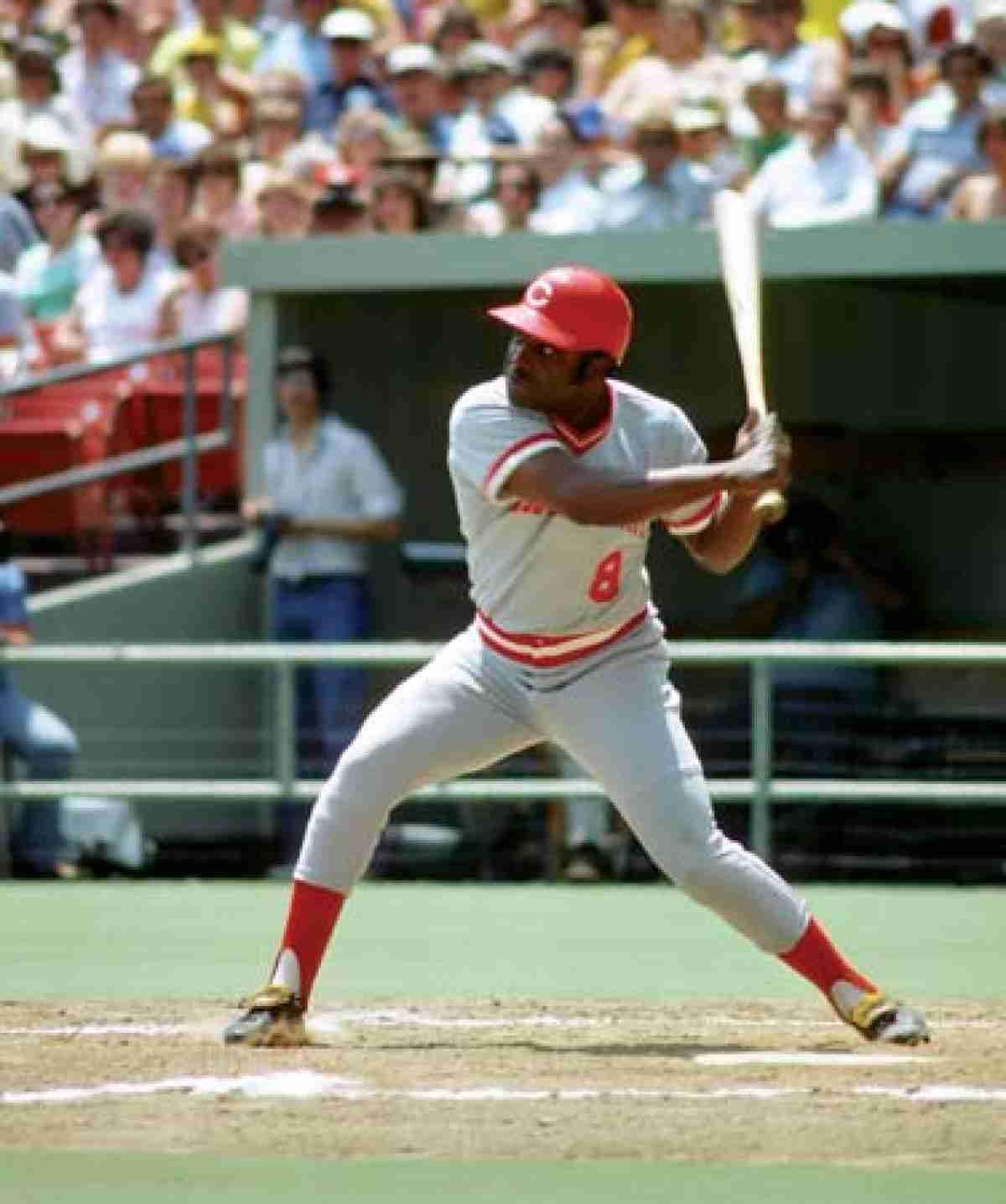
When Joe Morgan arrived in Cincinnati in 1971 as part of an eight-player blockbuster trade, many observers actually thought the Reds had lost the deal by giving up slugger Lee May. They couldn't have been more wrong. Morgan arrived with a "chicken-flap" arm waggle and a relentless focus that immediately reshaped the team's identity. He didn't just occupy second base; he patrolled it with a defensive urgency that earned him five consecutive Gold Gloves. From the moment he stepped into the clubhouse, he proved to own the soul of a winner, leading the majors in runs scored during his very first season in the Queen City.
The peak of his stay in Cincinnati, and perhaps the most dominant five-year stretch by any middle infielder in history, arrived between 1972 and 1976. During this span, "Little Joe" was playing a different game than everyone else. He was a statistical outlier who led the National League in on-base percentage four times, utilizing a legendary eye to draw over 100 walks nearly every season. In 1975 and 1976, he captured back-to-back MVP awards, a feat mirrored by the Reds' back-to-back World Series titles. He was the definitive advanced metrics player, twice leading the league in OPS and routinely pacing the league in WAR, proving that a 5-foot-7 frame could cast the longest shadow on the field.
He was electric on the basepaths, where he strung together five straight seasons of at least 50 stolen bases. Morgan treated the path from first to second as his personal property, combining elite speed with a strategic acumen that made him the most efficient base-stealer of his generation. He wasn't just a volume producer; he was a high-leverage specialist. It was Morgan’s ninth-inning bloop single in Game 7 of the 1975 World Series that drove in the winning run, cementing his status as the man who came through when the pressure was at its absolute highest.
The final walk toward the exit of his first Reds tenure came after the 1979 season, when he departed as a free agent. While he would eventually return to Houston and finish his career as a nomad of winning teams, his eight years in Cincinnati remain the heart of his legend. He left the Reds as a 10-time All-Star (counting his Houston years) and the franchise's all-time stolen base leader at the time. His impact was so profound that the Reds retired his number 8 in 1998, and a bronze statue of him now stands outside Great American Ball Park, frozen in that iconic batting stance.
Comments powered by CComment