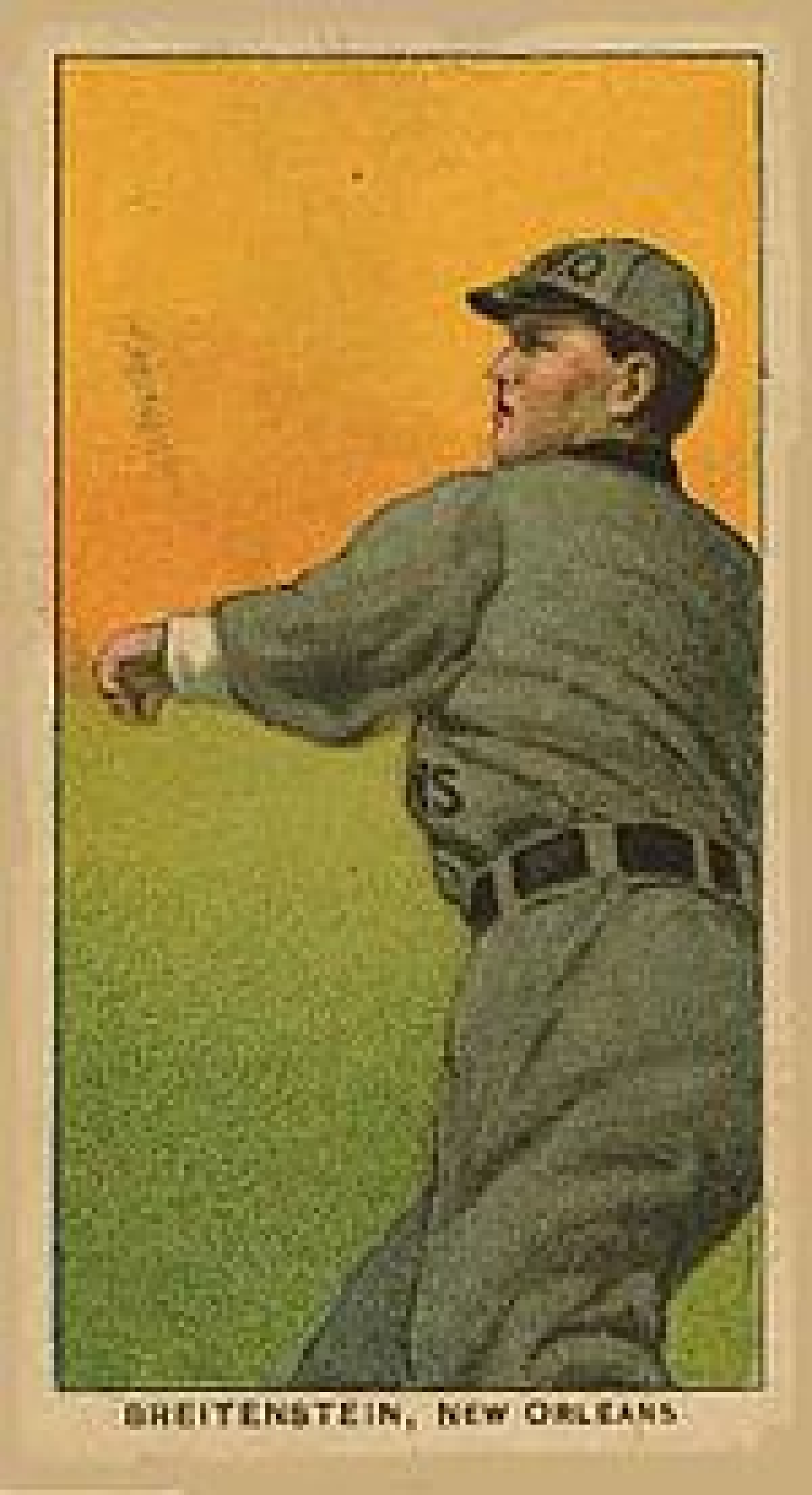
Judging a pitcher from the pre-modern era solely by wins and losses can be misleading, a mistake modern analysts now avoid. Theodore Breitenstein exemplifies this shift in perspective. A native of St. Louis who initially made stoves before debuting for his hometown Browns in 1891, Breitenstein delivered a remarkable performance by throwing a 27-men-up, 27-men-down no-hitter in his very first major-league start. Throughout the 1890s, he pitched for a poorly performing, low-scoring franchise. While his record of 94–125 might seem problematic to the casual observer, it obscures the reality that he was an exceptionally efficient pitcher, often dominating opponents and carrying the entire pitching staff.
Breitenstein’s exceptional talent was clear during the legendary 1893 season. Although he pitched for a tenth-place team that resulted in a seemingly poor 19–24 record, this left-handed ace entirely controlled opposing National League lineups, earning the ERA championship with an impressive 3.18 over 382.2 innings.
When the National League moved the pitcher's rubber back by ten feet before the 1894 season, it sparked intense offensive shifts that changed the game significantly. Breitenstein, however, adapted seamlessly to this change, showcasing his dominance during that era by going 27–23 and leading all of baseball with 447.1 innings pitched and 46 complete games.
He replicated that mind-boggling durability during the 1895 campaign, logging another 46 complete games and a whopping 429.2 frames. While Breitenstein infamously led the National League with 30 losses in 1895, modern advanced quality analysis reveals that the total was entirely a product of historically abysmal defensive support and zero offensive run production. He still finished a stellar fifth overall among all Senior Circuit pitchers in Pitching bWAR that summer, operating with a level of nerve and equilibrium that made him highly coveted by every front office in the country.
After recognizing that Breitenstein accounted for nearly half of the team's total value, the Cincinnati Reds made a significant financial move following the 1896 season by purchasing his contract from struggling St. Louis owner Chris von der Ahe. The southpaw proved his worth in Ohio by recording back-to-back 20-win seasons and pitching a second career no-hitter before returning to St. Louis in 1901 for a brief, late-career stint.
He ended his Cardinals career with 94 wins, a sharp 4.10 ERA, and 626 strikeouts, while throwing an astonishing 197 complete games over 1,920.1 innings.
Comments powered by CComment