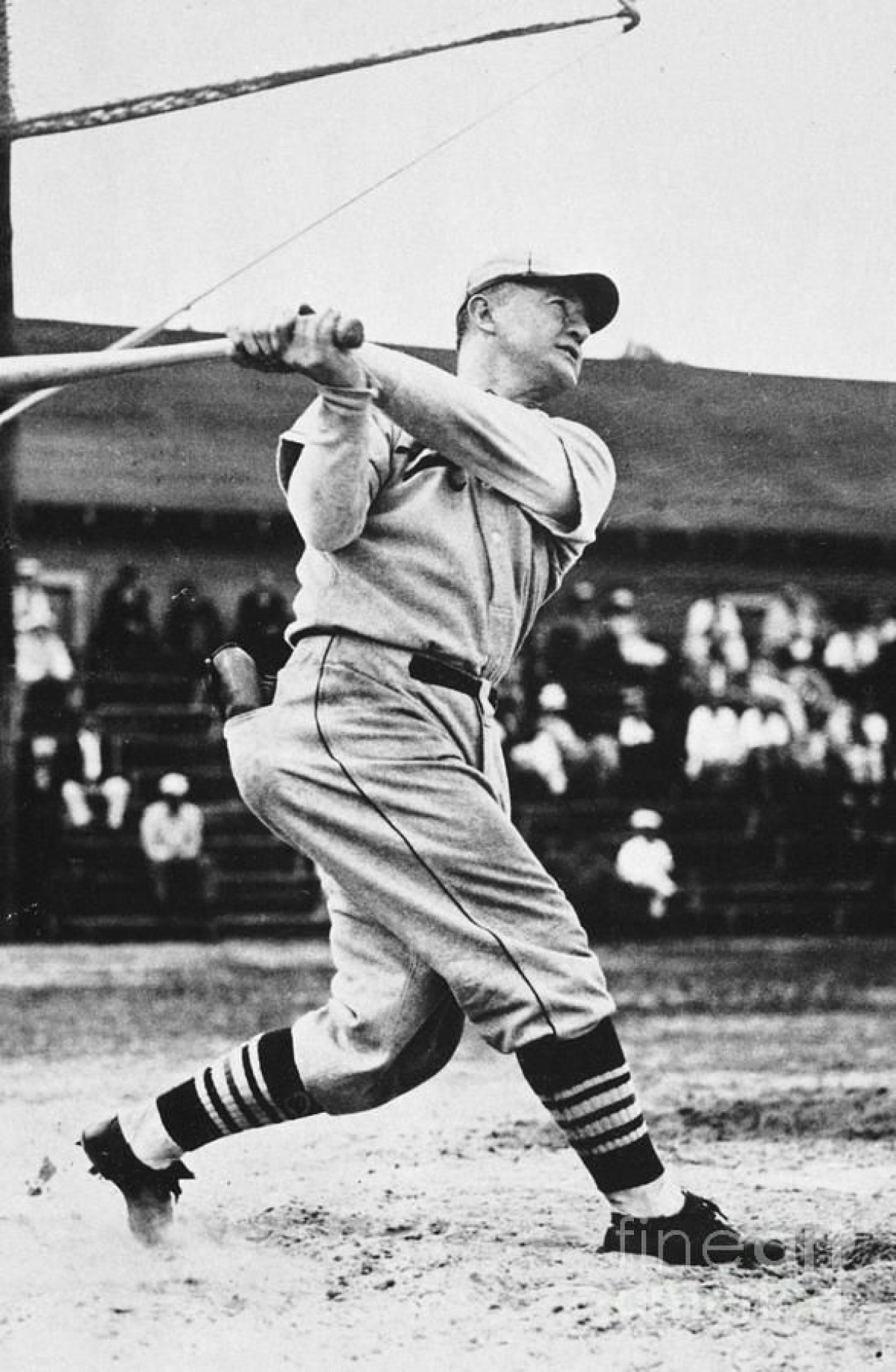
The fiery, dirt-kicking catalyst truly found its shining expression in a lively switch-hitter from the Bronx. Frankie Frisch arrived in St. Louis not just as a star but as a major turning point in the franchise’s history. A versatile athlete at Fordham University whose incredible speed earned him the nickname "The Fordham Flash," Frisch made the jump straight into the majors with the New York Giants in 1919. He quickly became the heart of John McGraw’s successful teams in the early 1920s, helping secure four straight pennants. Yet, a well-known clash of willpower between the talented infielder and his tough-minded manager eventually tore their relationship apart. Before the 1927 season, the front office made a bold move, trading Frisch to the Cardinals in exchange for another legendary player, Rogers Hornsby, who would go on to be a Hall of Famer.
Frisch arrived in St. Louis with plenty of energy left, quickly embedding his aggressive playstyle into the team's core. His debut 1927 season with the Redbirds was a remarkable display of individual talent: he led the Senior Circuit with 48 stolen bases, ranked sixth in batting average at .337, and amassed 208 hits. Defensively, he excelled at second base, leading all National League fielders in Defensive bWAR and setting a major-league record with 641 assists. His dynamic presence transformed a team that had only one pennant before his arrival into a consistent National League contender.
Frisch was more than just a player for the Cardinals; he shaped their entire identity. He served as the emotional core and spiritual symbol of the famous "Gashouse Gang" of the early 1930s—a lively, down-to-earth group of fighters whose tough, fearless attitude matched Frisch's own competitive nature.
His peak in individual hardware came in 1931 when he was named the National League Most Valuable Player, hitting .311 and leading in steals. Although modern stats critics argue that MVP was somewhat inflated, considering his efficiency metrics aligned more with a consistent contributor rather than a league-wide star, his leadership was clear. He guided the team to World Series wins in 1931 and 1934, earning his fourth championship ring.
His responsibilities expanded significantly in July 1933, when he accepted the dual role of player/manager. He beautifully balanced both burdens during the magical 1934 run, hitting .305 over 134 regular-season games while simultaneously managing the club to a dramatic, seven-game Fall Classic victory over the Detroit Tigers. As the physical toll of a grueling 19-year career caught up to him, his regular-season availability naturally diminished, leading to his retirement as an active player in 1937, though he maintained his seat at the top of the dugout steps until late 1938.
With the Cardinals, Frisch collected 1,557 hits, 195 stolen bases, and a .312 batting average. He was inducted into the Baseball Hall of Fame in 1947, and in 2014, Frisch was inducted as part of the Cardinals’ inaugural Hall of Fame Class.
Comments powered by CComment