
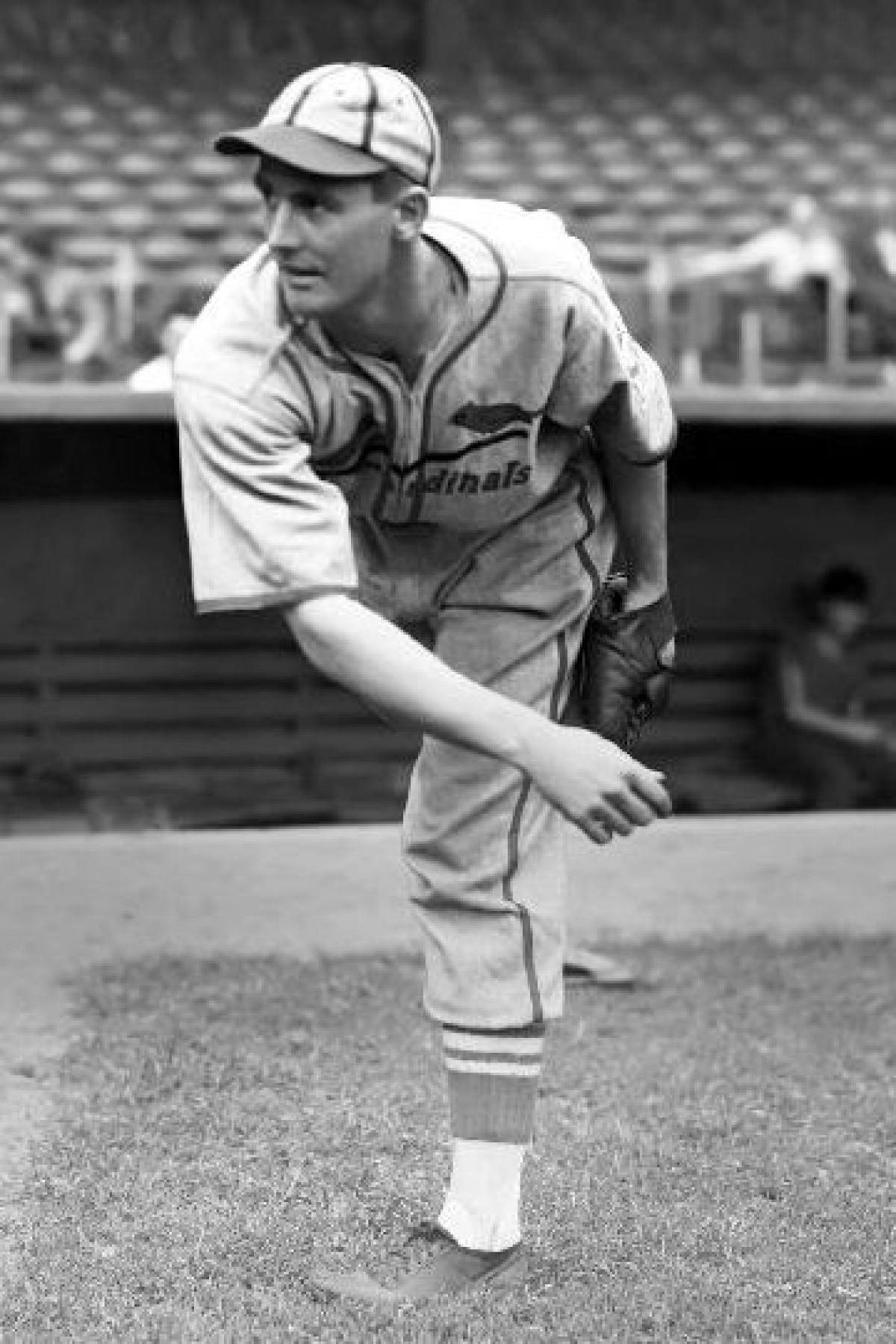



Assessing the baseball legends of the 1940s involves careful consideration, as World War II significantly changed the competitive landscape of major league baseball. Critics often question how much of the era's statistical success is due to real talent versus the impact of wartime depleted rosters, with icons like Ted Williams, Joe DiMaggio, and Hank Greenberg serving in the military. For right-hander Mort Cooper, that caveat is an important part of the discussion. Still, even when recognizing the wartime conditions, Cooper's impressive period of dominance clearly stands out as the key, championship-level foundation of one of the most notable dynasties in St. Louis Cardinals history.
Cooper was signed as an amateur free agent in 1933, and his path to the majors was a gradual ascent through the extensive St. Louis farm system. He finally debuted in the major leagues in 1938 at age 25, spending his initial seasons as a solid, mid-tier starter. Using a strong fastball and a sharp slider, he regularly posted dependable stats, without yet showing the elite potential that was soon to emerge.
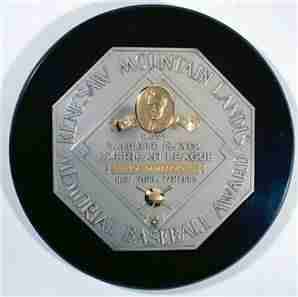
The 1942 season marked a significant shift. As many players from both leagues left to serve in the military, Cooper stepped up dramatically, achieving an impressive 22–7 record. He led the senior league with a tiny 1.78 ERA, pitched 10 shutouts, and maintained an exceptional 0.987 WHIP. Alongside his brother, catcher Walker Cooper, he formed a renowned homegrown battery that captivated baseball fans. His outstanding performance on the mound earned him the 1942 National League Most Valuable Player Award, playing a key role in helping the Redbirds achieve a 106-win regular season and securing a World Series victory over the formidable New York Yankees.
Far from a fleeting success, Cooper convincingly confirmed his MVP campaign by achieving consecutive 20-win seasons over the next two summers. In 1943, he posted a 21–8 record with a 2.30 ERA in 1943 and followed with an impressive 22–7 record in 1944, solidifying his role in manager Billy Southworth's rotation. His consistent excellence in 1944 helped lead the team to an all-St. Louis Fall Classic against the local Browns, where he delivered an outstanding performance in Game 5—a complete-game, 12-strikeout shutout—earning his second World Series title in three years.
Cooper’s true skill was ultimately confirmed after a tough contract dispute led to a May 1945 trade to the Boston Braves. Although critics doubted his effectiveness would decline once World War II ended and top hitters returned for the 1946 season, Cooper demonstrated he remained among the best. Despite worsening elbow problems, he pitched well enough in Boston to earn his fourth and last selection to the National League All-Star team, showing his talent extended well beyond the wartime circumstances.
Cooper left Sportsman's Park with a 105–50 record, a 2.77 ERA, and 25 shutouts over eight seasons and was inducted into the Cardinals Hall of Fame in 2019.

Comments powered by CComment