
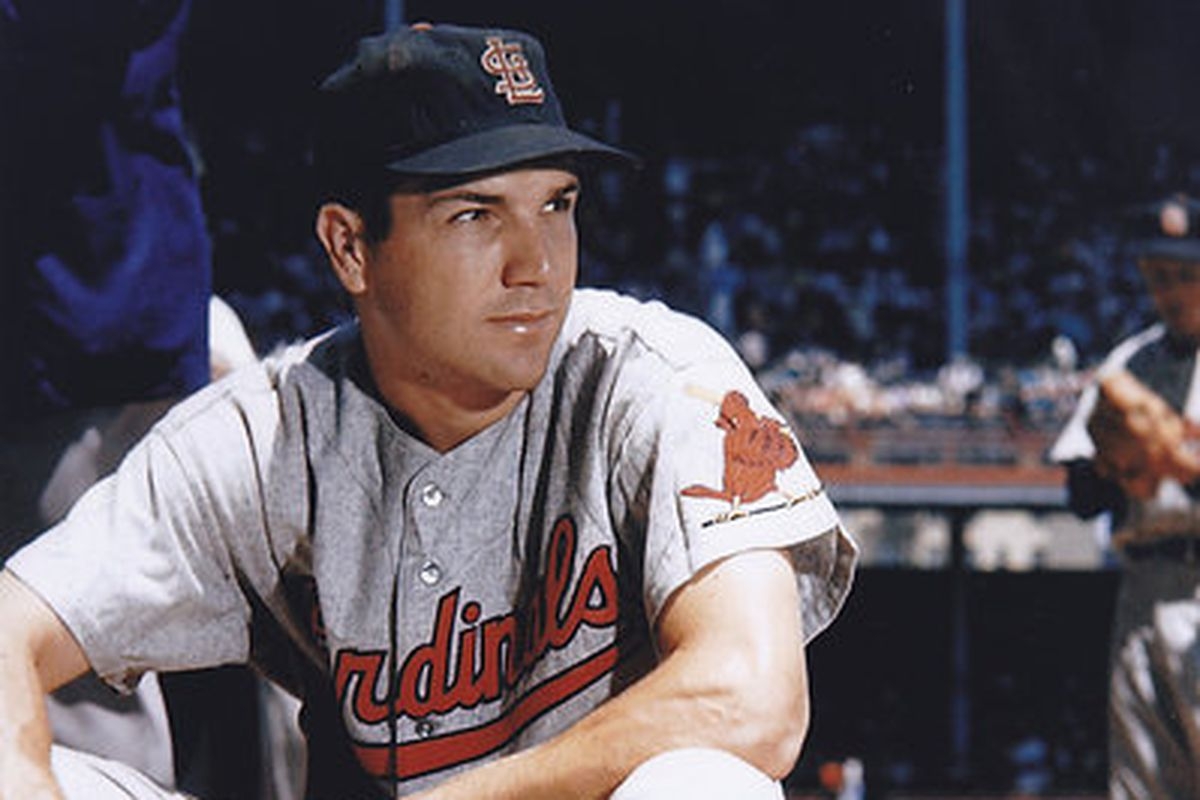





His introductory summer of 1955 as a rookie demonstrated immediate front-line potential, as he achieved a robust batting average of .269, with 18 home runs and 22 stolen bases. Boyer transformed run production and defensive theft into a disciplined daily routine, showcasing such exceptional defensive mobility that the front office occasionally employed his world-class speed to patrol center field during a significant portion of the 1957 season. Upon his permanent return to his natural position at third base, he established complete dominance over the role. Over the following six seasons, he earned five National League Gold Glove Awards and led all Senior Circuit third basemen in Total Zone Runs on three separate occasions, thereby firmly establishing his reputation among the elite defensive players to have ever played the game.
Nevertheless, Boyer was far from being a one-dimensional defensive specialist; he evolved into one of the most formidable, high-efficiency right-handed sluggers of his era. He methodically dismantled National League pitching staffs, achieving five separate seasons with a batting average significantly exceeding .300, coupled with eight consecutive summers of at least 23 home runs.
His legacy truly reached its peak when he was named team captain in 1959, kicking off an amazing streak with six straight All-Star selections. Between 1958 and 1963, he regularly ranked high in the National League Most Valuable Player voting, paving the way for his standout 1964 regular-season performance.
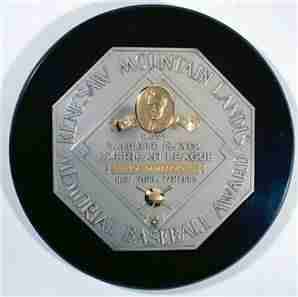
During the remarkable 1964 championship season, Boyer demonstrated exceptional performance in high-pressure situations. Serving as the spiritual leader of an unwavering team, he hit 24 home runs and led the entire National League with a career-high 119 runs batted in. His advanced efficiency metrics were entirely unparalleled, earning him the prestigious National League Most Valuable Player Award. His authoritative presence in critical games directly contributed to historic postseason achievements; in Game 4 of the 1964 World Series against the New York Yankees, Boyer hit a legendary, game-winning grand slam off Al Downing, and concluded the championship run with an impressive 3-for-4 performance in Game 7, securing the title for St. Louis.
Just one summer later, his chronic, agonizing back ailments severely limited his torque and range. Recognizing the onset of a natural regression, the front office initiated a highly emotional business exit in October 1965, trading their legendary captain to the New York Mets in a blockbuster deal for Al Jackson and Charley Smith—drawing a definitive curtain on his peak years.
With the Cards, Boyer accumulated 1,855 hits, 281 doubles, 255 home runs, and 1,001 runs batted in, completely validated by a brilliant .293/.356/.475 career slash line. The Cardinals retired Boyer's number 14 in 1984, and he was named to St. Louis' Hall of Fame in 2014, the first year of its existence.

Comments powered by CComment