
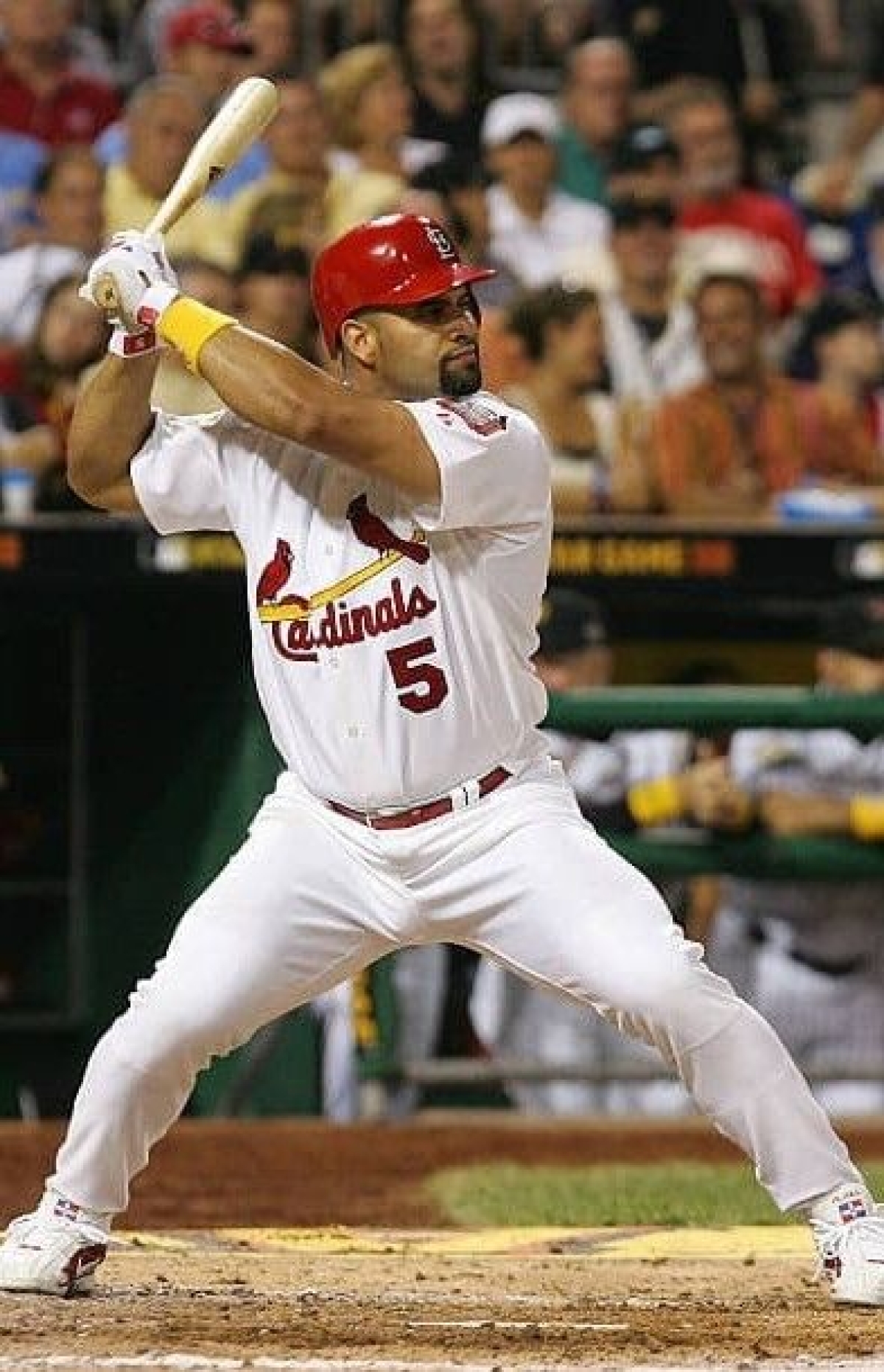







When evaluating a franchise that boasts a century-dense catalog of inner-circle immortals, taking a bold stand requires unyielding statistical justification. Ranking a modern icon ahead of the legendary Rogers Hornsby and the intimidating Bob Gibson is an analytical risk—but it is a risk heavily validated by the numbers. From the moment he erupted onto the Major League landscape in 2001, Albert Pujols orchestrated the most terrifyingly dominant opening decade of any offensive career in baseball history. Across his initial 11-season residency in St. Louis, "The Machine" operated with a mechanical precision so absolute that he didn't just participate in the National League; he completely dictated its terms under the Midwestern sun.
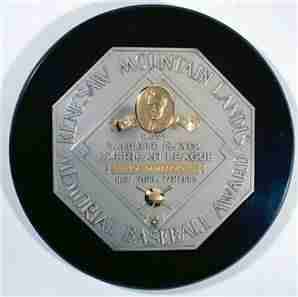
To truly appreciate how incredible his dominance has been, just look at his relationship with the National League Most Valuable Player award. Pujols won the MVP trophy three times as a Cardinal—in 2005, 2008, and 2009—and was the runner-up four times, showing how consistently he was among the best. Even more impressive, in each of his first 11 seasons with the Cardinals, he always finished inside the top ten in MVP voting, which speaks volumes about his consistent excellence.
He dedicated himself to elite performance, making his daily routine strict and unwavering. He started his career with an incredible streak of 10 straight seasons where he batted at least .300, hit 30 or more home runs, and drove in over 100 runs. While Hornsby was known for his historic batting averages and Gibson for his intimidating presence on the mound, Pujols was unique in his decade-long dominance of the game. Experts using advanced analytics recognize his peak as truly extraordinary; from 2006 to 2011, he consistently led the entire National League in position-player bWAR every single year.
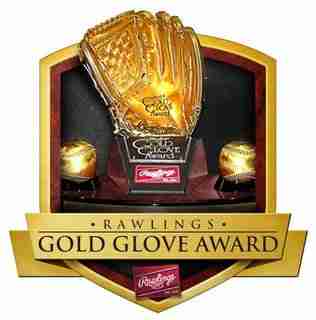
He earned a batting title (.359 in 2003), won two home run crowns (47 in 2006 and 47 in 2009), and secured three consecutive OPS titles from 2008 to 2010. Besides his power-hitting, his excellent spatial awareness and strong fundamental skills at first base earned him two Gold Glove Awards, providing the Cardinals with reliable defense across their infield.
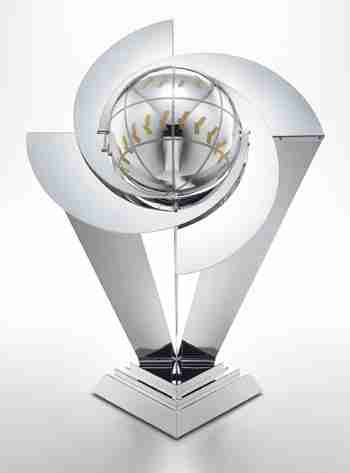
His hardware-certified authority played a big role in the team's historic success, taking the franchise to the biggest stage in the game. Pujols led the Redbirds to three National League pennants and two World Series wins in 2006 and 2011. His October performances were filled with legendary, high-stakes moments—most famously, his incredible three-home-run game in Game 3 of the 2011 World Series against Texas. After winning that second title, he made a major move by signing a big contract with the Los Angeles Angels, marking a new chapter away from St. Louis.
Yet, a legacy this monumental demanded a poetic final chapter. Pujols executed a stunning homecoming arc by returning to the Cardinals for his final major league season. Operating as a beloved veteran presence, he defied old age to unleash a thrilling second-half surge, clobbering 24 home runs to spectacularly eclipse the fabled 700-career home run milestone in a St. Louis uniform before officially retiring.
He walked away from the diamond having built a monumental statistical fortress in St. Louis: 2,156 hits, 455 doubles, 469 home runs, and 1,397 runs batted in, paired with a spectacular .326/.417/.614 slash line across his two stints.

Comments powered by CComment