
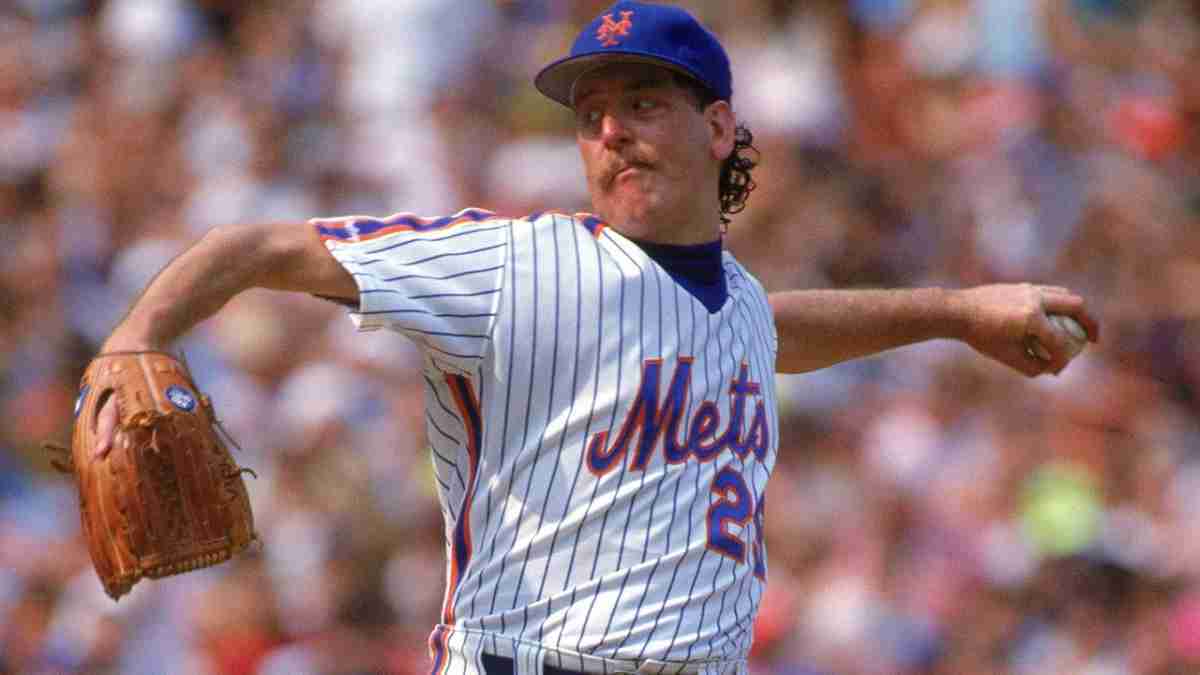


New York’s trade for Frank Viola in Queens in late July 1989 was a clear signal that the front office was pushing all its chips into the center of the table. Fresh off an AL Cy Young campaign in Minnesota, the left-handed ace landed with the Mets in a blockbuster trade that sent five players to the Twins. Viola joined a rotation already featuring Dwight Gooden and Ron Darling, instantly giving New York one of the most formidable pitching staffs in the National League.
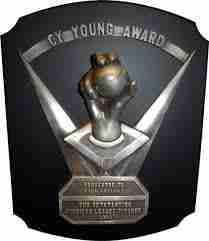
His first complete season in Flushing in 1990 served as a distinguished exhibition of his signature changeup. Viola emerged as the primary pitcher of the staff, accumulating a substantial 249.2 innings over 35 starts. He led the National League with 20 victories, received his inaugural National League All-Star selection, and placed a close third in the Cy Young Award voting. His remarkable durability and command resulted in an impressive 2.67 ERA, ranking him second among pitchers in the senior circuit in overall value.
The momentum persisted into the 1991 campaign, during which Viola continued to serve as the focal point of the rotation amid a period of organizational transition. He achieved a second consecutive All-Star selection in July, demonstrating veteran poise at Shea Stadium and stabilizing a fluctuating pitching staff under increasing pressure. Although the team's offense underperformed around him, impeding the prospect of replicating his high win totals from the previous summer, he nonetheless contributed 13 victories and maintained a commendable 3.17 ERA over 232.2 innings.
His tenure in New York concluded promptly after the 1991 season when he transferred through free agency to join the Boston Red Sox. Although his residence in Queens lasted merely two and a half summers, Viola departed with 38 wins, a 3.31 ERA, and an enduring reputation as an elite postseason starter who provided the high-caliber performance for which the Mets had traded.

Comments powered by CComment