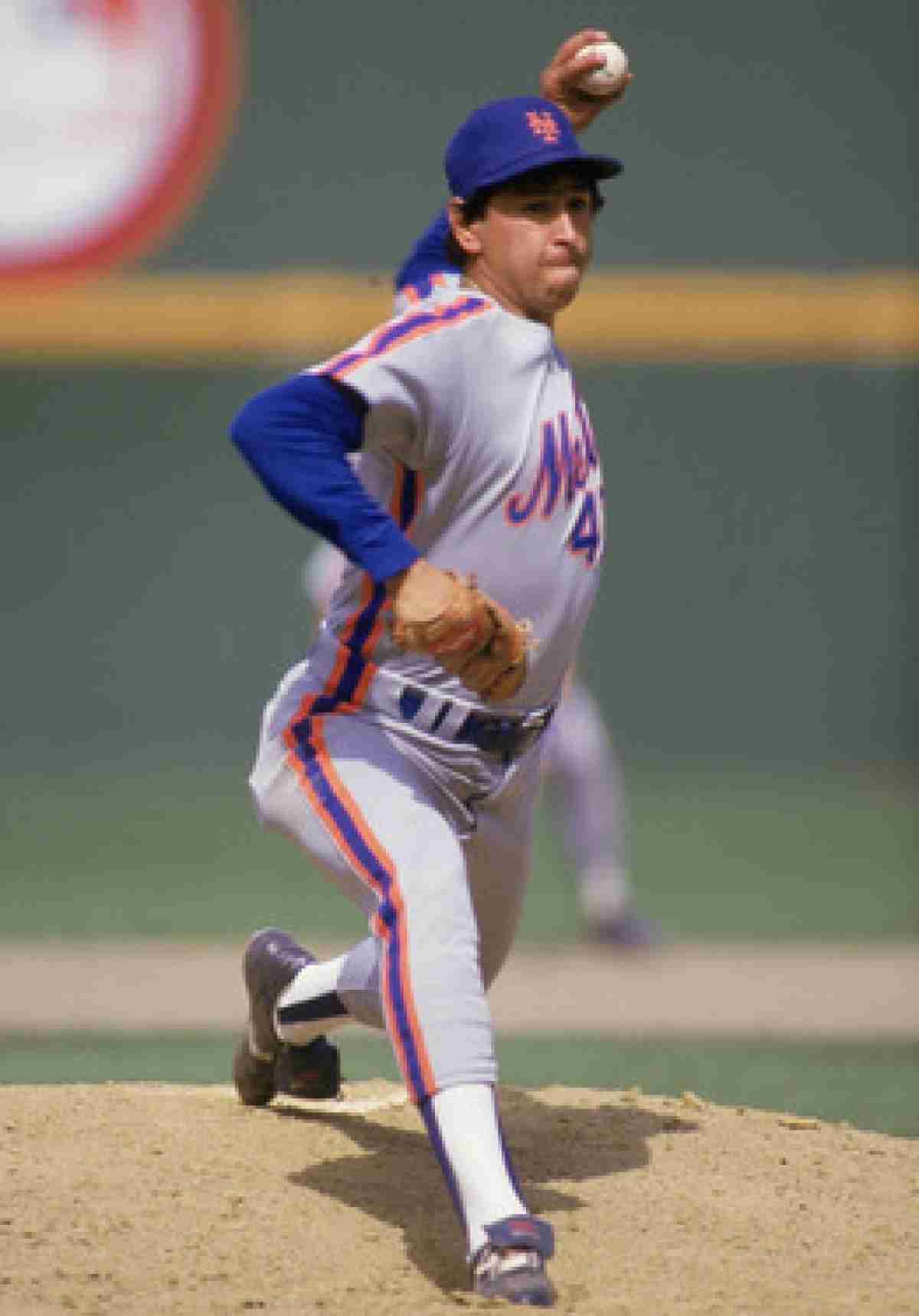
Jesse Orosco joined the Mets as a prospect in February 1979 via a trade with the Minnesota Twins, primarily to acquire veteran starter Jerry Koosman. Initially seen as a minor part of the deal, the young left-handed reliever made it onto the major league roster by April. Over his seven full seasons with the Mets, he became the quintessential example of a modern high-leverage bullpen pitcher.
By 1982, Orosco had secured a permanent place on the main roster, but his standout season came the following year. In 1983, he pitched 110 innings over 62 games, posting an impressive 13-7 record with 17 saves. His exceptional 1.47 ERA set a standard for Mets relievers, earning him his first All-Star appearance and finishing third in NL Cy Young Award voting. He maintained this high level of performance, earning a second All-Star selection in 1984 by saving a career-best 31 games and solidifying his reputation as the top left-handed closer.
Orosco achieved enduring baseball fame through his extraordinary workload during the 1986 postseason. In the NLCS against Houston, he made history as the only relief pitcher with three wins in a single playoff series. He continued his impressive run in the World Series against Boston, pitching 5.2 scoreless relief innings and providing the Mets with critical late-inning defense. Orosco is legendary in the city’s history as the pitcher who threw the final, decisive pitches in both the NLCS and the World Series. The memorable image of him striking out Marty Barrett to end Game 7, tossing his glove into the sky, and collapsing onto his knees as Gary Carter sprinted into a joyous hug is the symbol of the 1986 championship era.
The Mets traded Orosco to the Los Angeles Dodgers after the 1987 season, and the southpaw went on to pitch until 2003, but his run in New York will always define him. Orosco compiled a 47-47 record, 107 saves, and a stellar 2.73 ERA as a Met.
Comments powered by CComment