
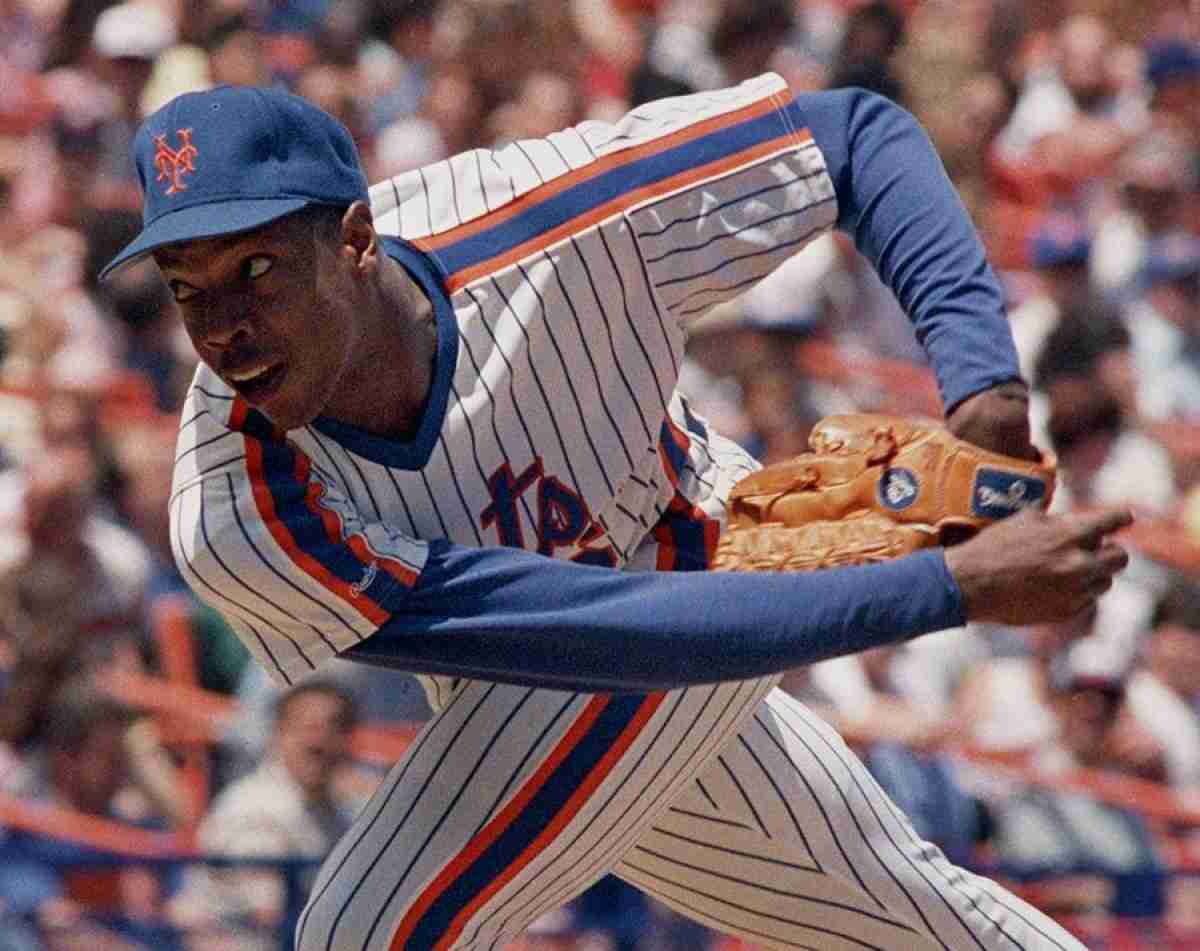





In 1984, Dwight Gooden came to Flushing as a nineteen-year-old phenom with a high-octane fastball and a curveball so sharp it was nicknamed "Lord Charles." While many fans look back at his career through the lens of a "what if" story, his initial seasons provided a brand of dominance that effectively paralyzed the National League.
In his debut season, Gooden exhibited a remarkable capacity to overpower hitters, earning the National League Rookie of the Year Award while leading the league in strikeouts (276), FIP, and WHIP. He immediately demonstrated to the organization that he was an elite talent by finishing second in the Cy Young Award voting at only 19 years of age. This exceptional breakout performance established a high-caliber baseline, rendering him the most formidable young pitcher in baseball and laying a solid foundation for a Mets rotation designed to dominate over the coming decade.
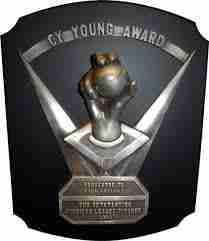
In his sophomore campaign, Gooden put forth what many consider the greatest single season by a pitcher in the modern era. That summer, he showcased a total mastery of the strike zone to capture the National League Cy Young Award, winning the Triple Crown of pitching by leading the league in wins (24), strikeouts (268), and a staggering 1.53 ERA. His 12.2 bWAR that season remains a historic outlier, reflecting a level of efficiency that saw him shave a full run off his previous year’s ERA. He was a high-caliber engine of dominance, single-handedly turning Shea Stadium into a "K-Corner" carnival every five days.
His 1985 campaign was his peak at age 20, but he was a mainstay in the late 1980s. He contributed to the 1986 World Series win, with 17 wins and veteran presence to anchor the clubhouse. Despite personal struggles affecting consistency, he achieved three more top-ten Cy Young finishes as a Met, demonstrating overlooked durability.
His tenure reached a crossroads as he shifted from a teenage superstar to a craftier right-hander. Between 1987 and 1991, Gooden was a high-volume winner, with 18 wins in 1988 and 19 in 1990. Although his raw velocity declined, his tactical value remained elite, consistently eating innings and keeping the Mets in the NL East race. He left Queens with 157 wins and 1,875 strikeouts, reflecting a career many players only dream of.
Gooden’s service ended with a bittersweet departure after the 1994 season, but his bond with Queens fans remained strong. Known as "Dr. K," he defined New York sports in the 80s. He was inducted into the Mets Hall of Fame in 2010, and his number 16 was retired in 2024, cementing his legacy. With the Mets (1984–1994), Gooden's record was 157-85, with 1,875 strikeouts and a 3.10 ERA.

Comments powered by CComment