





Troy Glaus arrived in the California organization as the third overall selection in the 1998 draft out of UCLA. Known for his immense physical stature and light-tower power, he was installed as the starting third baseman in 1999 and immediately demonstrated that his collegiate success would translate to the professional ranks. For seven seasons in an Angels uniform, Glaus served as the premier power threat in the lineup.
In 2000, he evolved into the most prolific power hitter in the American League, belting a franchise-record 47 home runs and leading the circuit in the category. He showed the organization he was a foundational superstar by pairing that power with a 1.008 OPS and earning the first of back-to-back Silver Slugger Awards. He followed that with 41 home runs in 2001, providing the high-frequency production required to maintain his status as a top-five finisher in the AL MVP voting.
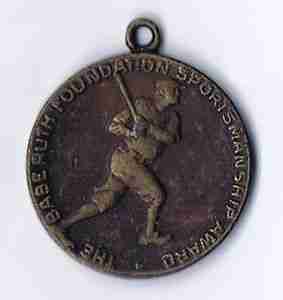
The 2002 campaign saw Glaus transition into a legendary figure during the franchise's first championship run. After recording his third consecutive 30-home run regular season, he demonstrated a focused intensity throughout the postseason, belting seven home runs and batting over .300 in every series. He showed the organization he was a foundational winner by hitting .385 with three home runs in the World Series, earning the World Series MVP and the Babe Ruth Award. His tactical impact was never clearer than in Game 6, when his go-ahead double capped a historic five-run comeback to force a deciding Game 7.
After the 2004 season, Glaus signed a lucrative contract with the Arizona Diamondbacks. While injuries had limited him to just 58 games in his final year with the Angels, he left behind a statistical footprint that reflected his status as the greatest power-hitting third baseman in team history, departing with 182 home runs and 507 RBIs while wearing the Halo.

Comments powered by CComment