
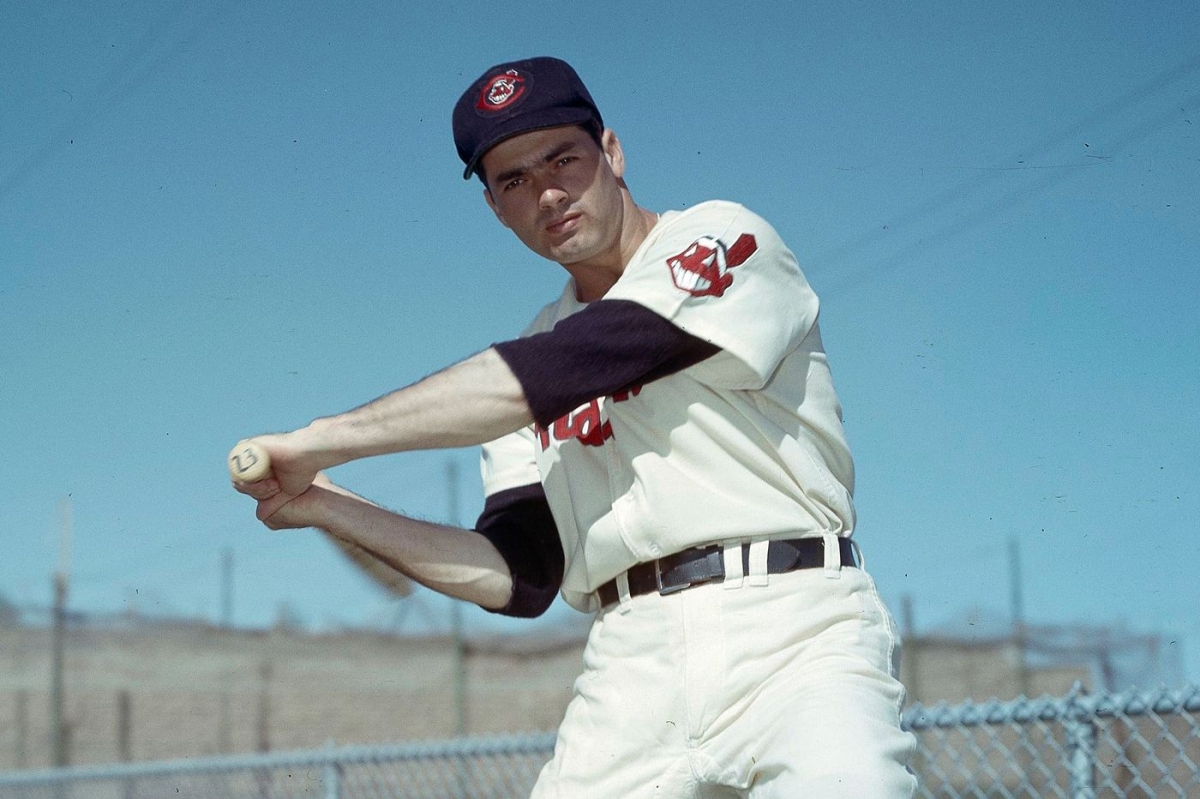


Colavito’s rise to stardom was nearly instantaneous, providing a jolt of electricity to the lineup when he took over a full-time role. He finished as the runner-up for the 1956 Rookie of the Year after launching 21 home runs in limited action, but his game reached a spectacular inflection point in 1958. That summer, he hit .303 and blasted 41 round-trippers, following it up in 1959 by leading the Junior Circuit with 42 homers. He possessed a specialized, high-leverage power that terrified opposing pitchers, and his craftsmanship in the field was equally feared; his arm was a high-velocity weapon that famously kept baserunners from testing the extra base.
The most controversial chapter of his journey was the 1960 trade to Detroit for Harvey Kuenn, a swap of a home run king for a batting champion that famously left the Cleveland faithful in mourning. The fans’ heartbreak was vindicated as Colavito continued to punish baseballs elsewhere while the "Curse of Rocky Colavito" allegedly took hold of the team. However, he authored a dramatic homecoming in 1965, returning to Cleveland via trade to a hero’s welcome. This second act was a genuine career renaissance; he led the American League with 108 RBIs and secured a fifth-place finish in the MVP race, proving that even as a veteran, he remained the tactical heartbeat of the organization.
Whether he was famously hitting four home runs in a single game at Memorial Stadium or drawing a league-leading 93 walks in 1965, he competed with a focused intensity that made him a local immortal. He showed that a player could become a franchise pillar by combining a legendary "cannon" of an arm with a swing that defined an entire era of Cleveland baseball.
With the Indians, Colavito compiled 190 home runs, 574 RBIs, and a .495 slugging percentage while earning three All-Star nods. The organization provided the ultimate punctuation on his legacy in 2006 by inducting him into the Cleveland Hall of Fame.

Comments powered by CComment