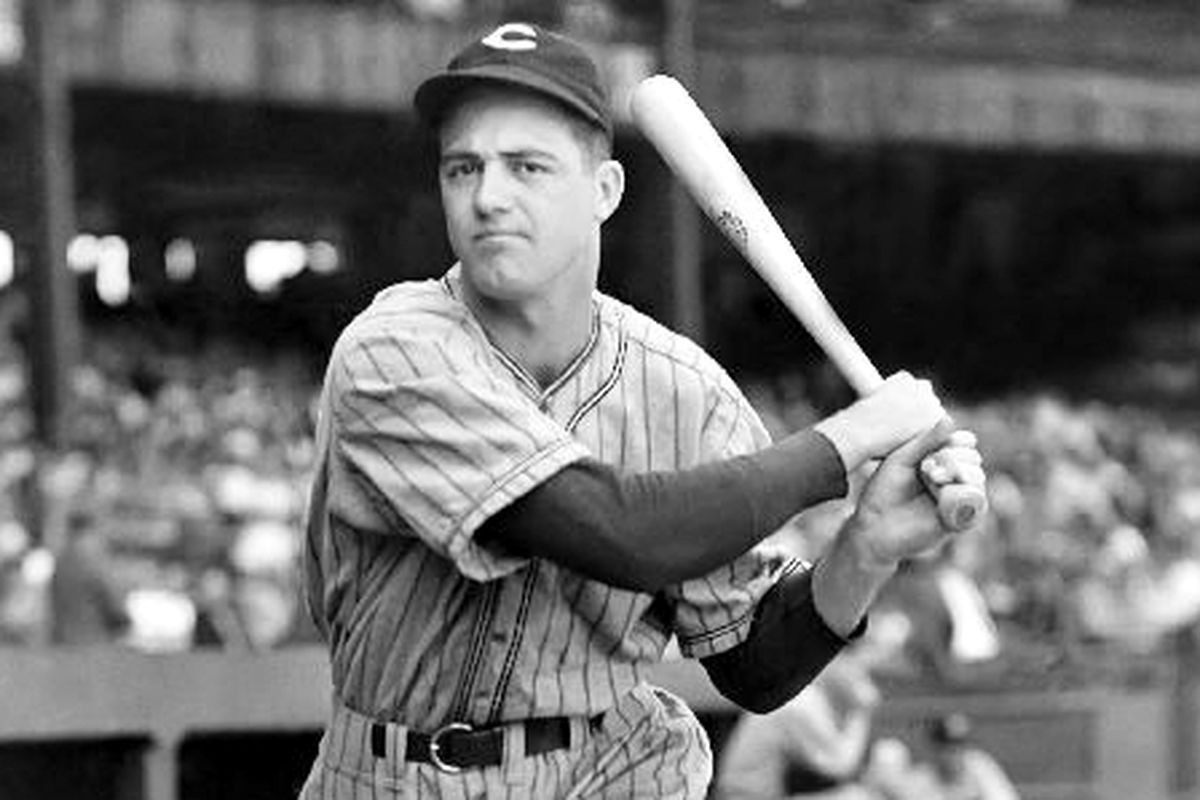
After playing one game for the Indians in 1937, Ken Keltner surfaced as a regular in 1938 and matured instantly into the premier defensive presence in the American League. He possessed a specialized ability to react to the sharpest line drives, a gift that earned him seven All-Star selections during his tenure. He was a model of defensive efficiency, twice leading the league in fielding percentage and consistently shrinking the field for opposing hitters. He wasn't just a steady glove, though; he provided a sophisticated level of offensive production, authored by three seasons with at least 20 home runs and a professional approach that made him a fixture in the middle of the Cleveland lineup.
The most impressive aspect of his tenure was the quiet, high-stakes durability he displayed across 12 seasons in a Cleveland uniform. Keltner was a master of the "unseen" value, the type of player whose run prevention was just as vital as his bat. His craftsmanship reached a peak during the historic 1948 campaign, where his veteran poise and defensive stability served as the tactical heartbeat for the World Series champions. He was a high-frequency producer who received MVP votes in five different years, proving that his peers and the era's writers recognized him as a cornerstone of one of the league's most competitive rosters.
His presence was defined by a professional resilience and a defensive brilliance that famously etched his name into history when he made two spectacular plays to help end Joe DiMaggio’s 56-game hitting streak. Keltner remained the heart of the Cleveland infield through the transition of the post-war era, using his world-class range to support a legendary pitching staff. Whether he was charging a bunt to cut down a runner or lacing a line drive into the gap, he competed with a focused intensity that made him a local favorite and a national standout. He proved that a player could become a franchise pillar through a rare combination of grit and defensive wizardry.
Keltner was released after the 1949 season and finished his career with a brief stint in Boston. He left the organization as a statistical titan of the era, having established himself as perhaps the finest defensive third baseman to ever wear the Cleveland uniform
With the Indians, Keltner compiled 1,561 hits, 163 home runs, and 850 RBIs while earning seven All-Star nods. The organization recognized the monumental nature of his contribution almost immediately after he hung up his spikes. In 1951, the franchise provided the final punctuation to his local legacy by inducting Ken Keltner into the inaugural Cleveland Guardians Hall of Fame class.
Comments powered by CComment