
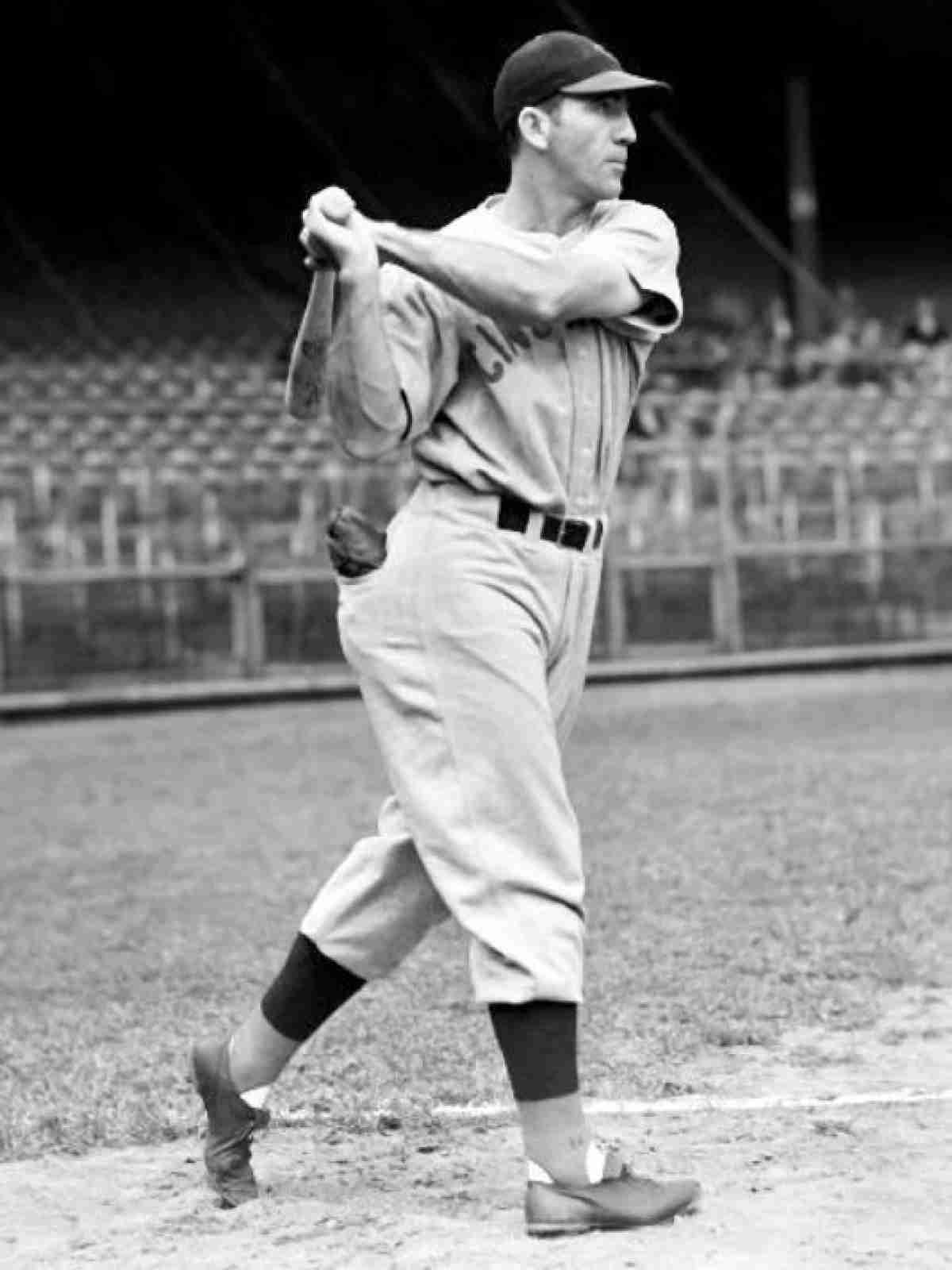


Goodman’s impact was felt the moment he stepped into the starting lineup in 1935, sparking the offense with a league-high 18 triples as a rookie. This high-velocity arrival was no fluke, as he repeated the feat the following summer, establishing himself as one of the premier gap-hitters in the National League. By 1938, he had broadened his game into a more specialized power profile, launching 30 home runs and earning his first of two consecutive All-Star selections. He was a model of offensive versatility, providing the tactical stability needed to anchor the middle of a lineup quietly building toward a pennant.
The most efficient stretch of his tenure occurred during the 1939 campaign, where he reached his personal watermark for contact and plate discipline. That year, Goodman hit a career-high .323 with a .401 on-base percentage, serving as a high-leverage producer for a squad that captured the National League pennant. While his statistical output declined slightly during the historic 1940 season, his professional resilience remained a foundational element of the club's success. He was a primary engine of the team that finally secured the World Series trophy.
Departing for Chicago in 1943, Goodman compiled 995 hits and 588 RBIs while helping lead the club to two pennants and a World Series title. The organization provided the ultimate punctuation to his career by inducting him into the Cincinnati Reds Hall of Fame in 1959 as part of their second and only induction class.

Comments powered by CComment