
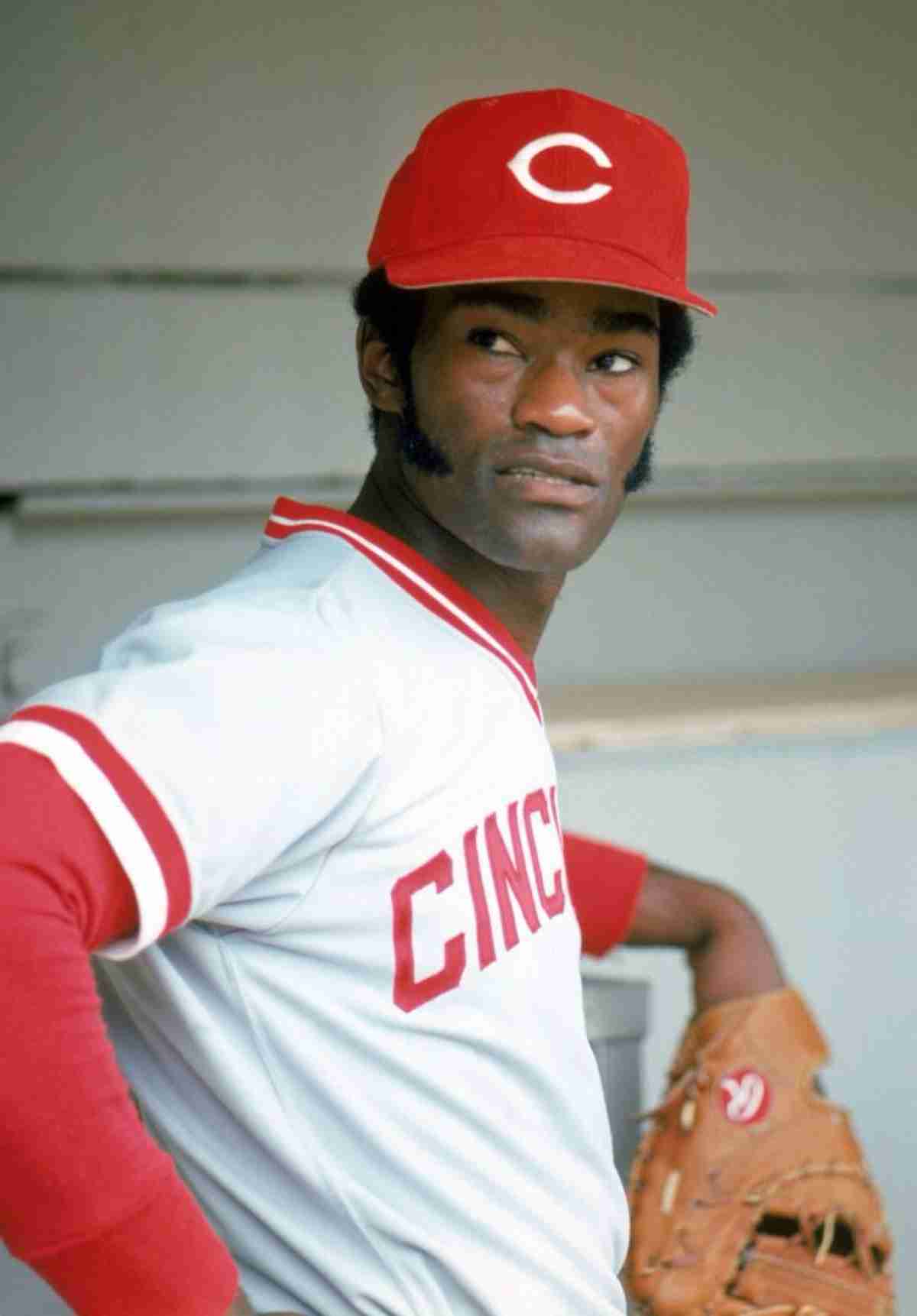



When George Foster arrived in Cincinnati via a trade from San Francisco in 1971, he was a talented outfielder searching for a permanent home on a crowded roster. It took a few seasons of refinement before he truly ignited, but once he locked down the starting job in left field, he became the ultimate deep threat. He joined the organization as a high-potential trade piece and matured into the most dangerous power hitter of the 1970s, with the guise of aquiet giant who let his black bat do all the talking.
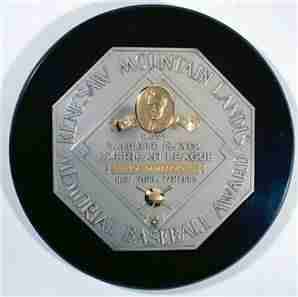
His tenure reached a historic crescendo in 1977. In a decade where league leaders often hovered in the 30s, Foster exploded for 52 home runs, becoming the first player to eclipse the 50-mark since Willie Mays over a decade prior. It earned him the National League MVP, as he paired those home runs with 149 RBIs and a .320 batting average. He wasn't just hitting for the highlight reels; he was driving the Reds' offense with relentless efficiency, capturing three consecutive RBI titles from 1976 to 1978.
Foster served as the high-leverage cleanup hitter for the back-to-back championship teams of 1975 and 1976. While Bench, Morgan, and Rose set the table or provided the tactical edges, Foster was the hammer that finished the job. His 1976 campaign was particularly vital, as he drove in 121 runs to help secure the sweep of the Yankees in the World Series. He concluded his time in Cincinnati with a staggering .514 slugging percentage and 244 home runs, a volume of production that made him the most feared out in the National League for half a decade.
Following the 1981 season, Foster was traded to the New York Mets, marking the conclusion of a legendary era in the Queen City. He left the Reds as a beloved icon of the "Big Red Machine.” While the Hall of Fame in Cooperstown has proven elusive, the Reds recognized his impact by inducting him into the team Hall of Fame in 2003, ensuring that the man who brought the "Long Ball" back to the 70s would always have a place in Cincinnati.

Comments powered by CComment