
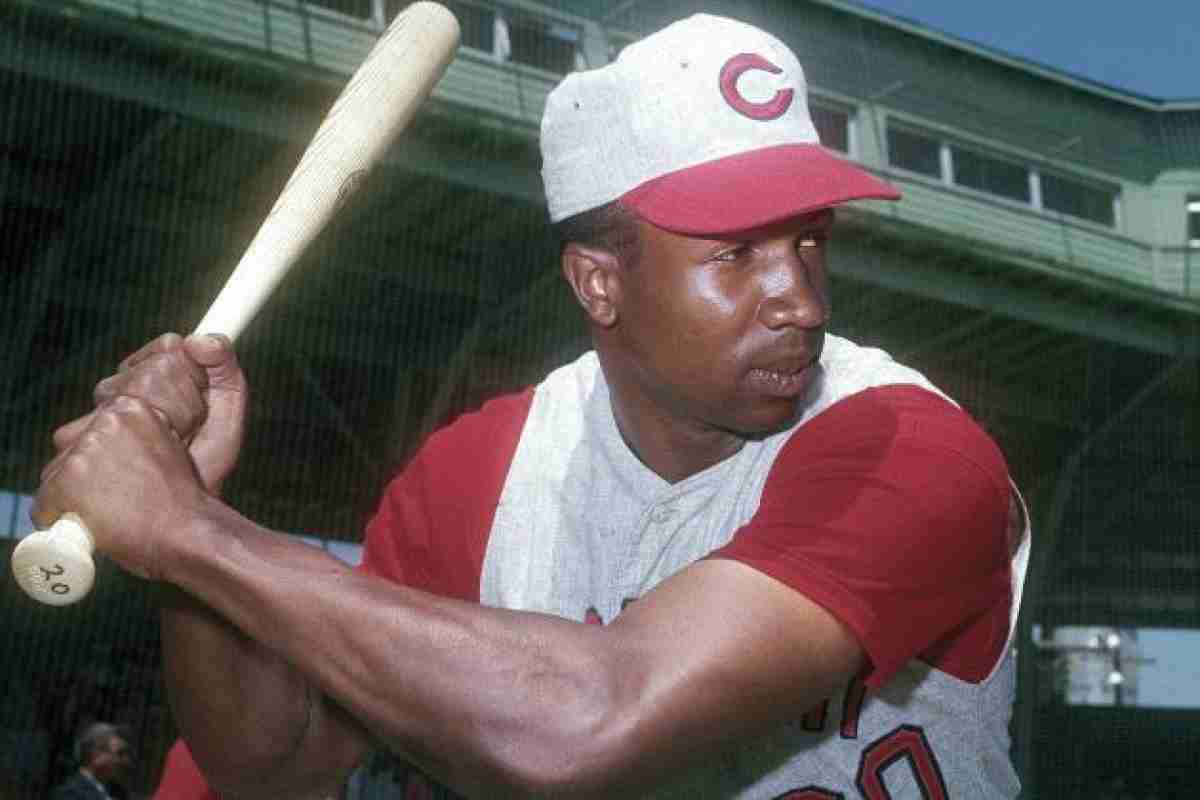






When Frank Robinson arrived in Cincinnati in 1956, he didn't just win the Rookie of the Year award; he staged a league takeover. At just 20 years old, he tied the then-record for home runs by a rookie with 38, signaling the arrival of a player who combined terrifying power with a relentless, aggressive plate presence. Robinson played with a chip on his shoulder, crowding the plate and daring pitchers to come inside—a tactical move that resulted in him leading the league in being hit by pitches seven times as a Red. He was the young, fiery engine of a franchise searching for its identity in the post-war era.
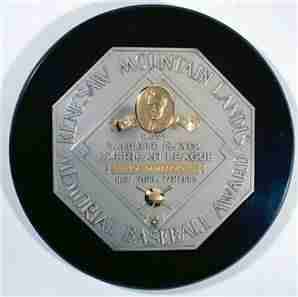
The peak of his Cincinnati tenure arrived in 1961, a season in which he claimed the National League MVP and willed the Reds to their first pennant in over twenty years. Robinson was a statistical titan during this stretch, authoring a slash line of .303/.389/.554 that stands as a masterpiece of offensive efficiency. He captured three slugging titles and was a perennial fixture in the MVP top-ten, blasting 324 home runs in a Reds uniform. He wasn't just a "solid contributor"; he was the premier outfielder in the senior circuit, a five-tool threat who played the game with a ferocious intensity that defined the era.
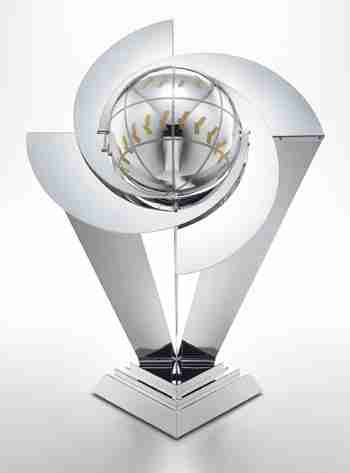
However, the final chapter of his story in Cincinnati remains one of the most scrutinized exits in sports history. Following the 1965 season, Reds owner Bill DeWitt famously traded Robinson to the Baltimore Orioles, labeling him an "old 30." It was a staggering miscalculation of a superstar's longevity. While the trade's returns failed to move the needle for Cincinnati, Robinson immediately captured the Triple Crown and the American League MVP, leading Baltimore to a world title. For fans in Cincinnati, it was a bitter pill to swallow, imagining how much more terrifying the "Big Red Machine" might have been had Robinson remained to bridge the gap into the 1970s.
Frank Robinson left the Reds as one of the most accomplished players to ever wear the wishbone "C." He was a first-ballot immortal whose legacy was eventually honored with the retirement of his number 20 in 1998 and his induction into the team's Hall of Fame decades earlier. He arrived as a fearless rookie and left as a statistical giant, the man who proved that age is just a number and that greatness, once ignited on the South Side of Cincinnati, could never truly be extinguished.

Comments powered by CComment