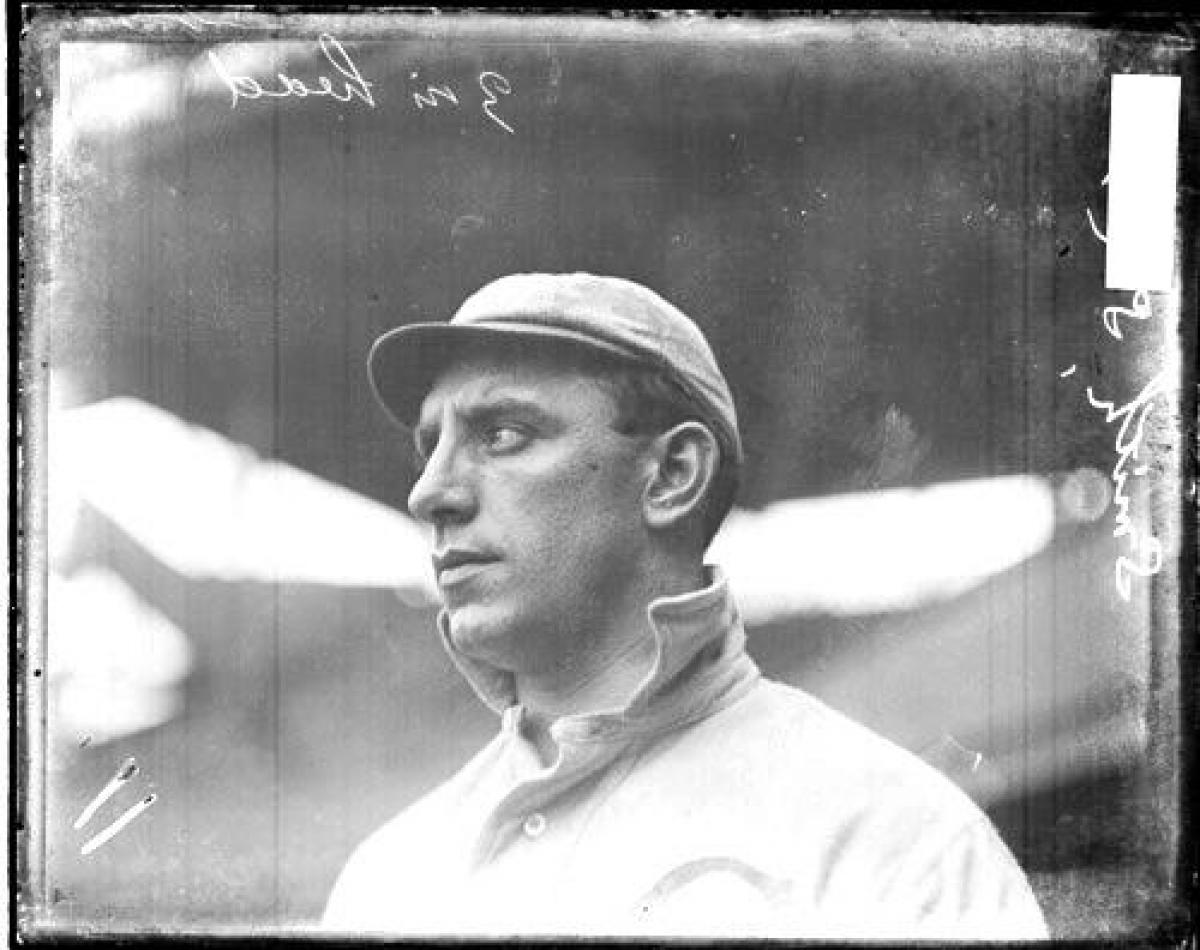
When Frank Smith debuted in 1904, he bypassed the usual maturation process, paying immediate dividends with 35 wins over his first two campaigns. He arrived with a "heavy" fastball that hitters struggled to lift, securing back-to-back top-ten finishes in ERA. However, the path to immortality wasn't a straight line. After an injury-plagued and ineffective 1906 season that saw his production crater, Smith authored one of the most resilient rebounds in franchise history. He returned in 1907 with a 23-10 record, proving that his earlier success was no fluke and that his arm was ready for the heavy lifting to come.
The absolute pinnacle of his career arrived in 1909, a season of such profound dominance that it remains a statistical masterpiece. That year, Smith was the definition of a workhorse, leading the American League in games pitched (51) and innings pitched (365.0). He wasn't just eating innings, though; he was an efficiency machine, posting a 1.80 ERA and a WHIP under 1.000. Had the Cy Young Award existed at the turn of the century, his trophy case would have been full; he led the league with a 7.1 bWAR, proving he was the most valuable player in the junior circuit that summer.
His identity was that of a complete ballplayer who helped his own cause at every turn. Smith was a legitimate threat in the batter's box, a rare hitting pitcher who batted .208 with 32 doubles and 69 RBIs during his Chicago stay. He was a high-volume producer who understood the tactical side of the game, using his immense physical strength to outlast opponents in the late innings. He concluded his journey with the White Sox with a sterling 108-80 record and a microscopic 2.18 ERA, numbers that cement his place as one of the primary architects of the team's early pitching pedigree.
The chapter reached an abrupt conclusion in 1910. After the immense physical toll of his 1909 workload, his game began to unravel, leading to a mid-season trade to the Boston Red Sox.
Comments powered by CComment