

17. Tommy Leach
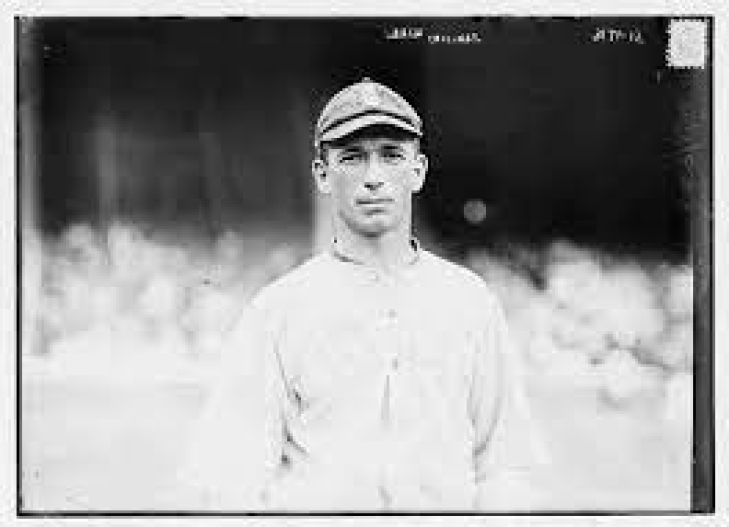
The baseball world is filled with clichés about small players showing great grit, but at the start of the 20th century, Tommy Leach exemplified this ideal. Standing only 5-foot-6 and weighing just 150 pounds, "Wee Tommy" appeared physically small in the tough, brutal environment of the Deadball Era. Despite this, he spent over ten years in western Pennsylvania demonstrating that quick, low-center-of-gravity movements could easily break down opposing defenses. As a fast, high-energy hitter at the top of the lineup, Leach turned the expansive fields of Exposition Park and Forbes Field into his personal sprint track, becoming a key catalyst for the franchise’s most legendary period.
His arrival in Pittsburgh before the 1900 campaign was part of the legendary roster merger that also brought Honus Wagner from Louisville. Leach consistently used his speed and power for extra-base hits during the regular season, playing both third base and the outfield to give manager Fred Clarke top defensive versatility.
He was a proven triple-hitter, using a quick first step to turn singles into multi-base threats. Although the era's waterlogged baseballs rarely cleared fences, Leach showed unexpected power in the middle of the lineup, often leading the National League in home runs, mostly high-velocity, inside-the-park types, setting a league record with six homers in 1902.
His distinctive statistical profile established him as the key operational catalyst for the legendary Wagner, who batted right behind him. Leach excelled at neutralizing opposing pitchers, carefully drawing walks or hitting line drives into gaps, then using his legs to quickly reach scoring position for "The Flying Dutchman."
That high-volume run creation cemented his place in baseball history during the first modern 1903 Fall Classic against Boston. Leach, known for his speed, recorded the very first hit and scored the first run in modern World Series history, finishing the event with an impressive four triples.
The pinnacle of his team's achievements was the 1909 world championship run. As the regular center fielder and key player, Leach performed superbly, leading the National League with a career-high 126 runs and drawing 67 walks, which contributed to Pittsburgh's exciting seven-game win over Ty Cobb's Detroit Tigers.
Tragically, the intense physical strain from playing at such a fast and aggressive pace eventually caught up with him. A series of persistent lower-body injuries significantly reduced his signature acceleration by the start of the 1910 season, leading to an abrupt and less variable decline in his offensive performance. This decline ultimately led to a trade to Cincinnati in mid-1912. He later returned briefly to the Bucs during the 1918 season, marking the end of his remarkable career.
Across 14 summers in a Pittsburgh uniform, Leach accumulated 1,603 hits, 233 doubles, 126 triples, and 271 stolen bases across 1,509 games.
18. Sam Leever
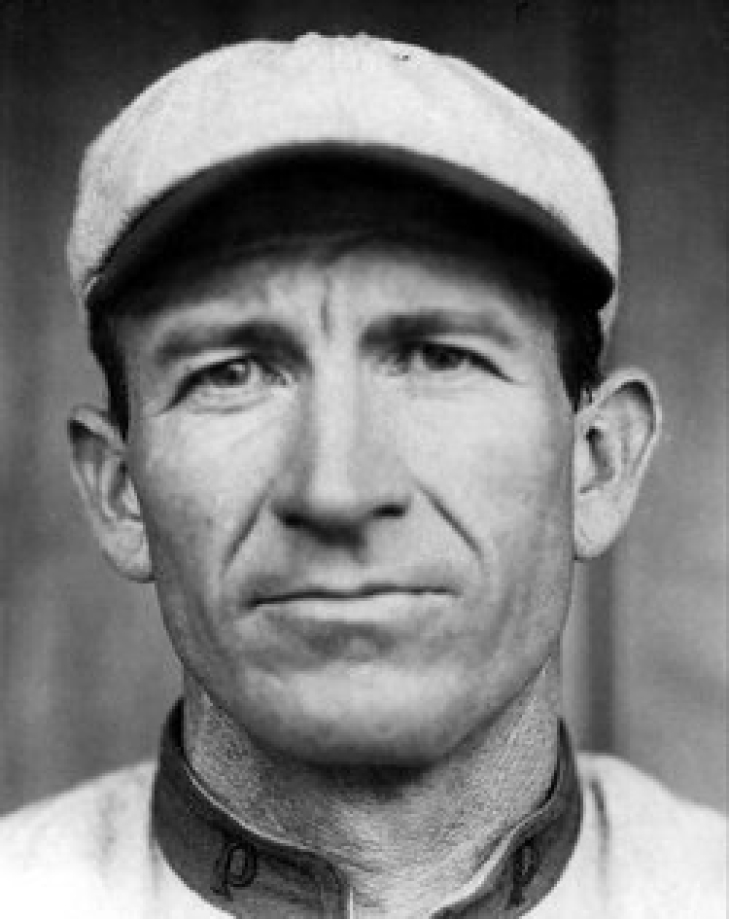
To truly grasp early 20th-century baseball culture, it's important to examine men like Sam Leever, who chose the diamond over conventional careers. Known as "The Goshen Schoolmaster” in the National League, this right-handed pitcher spent seven years teaching schoolchildren in Ohio before fully dedicating himself to professional baseball. His delayed entry into the majors at age 26 was due to this academic background. Leever approached the game with a calculated, cerebral style, favoring an excellent curveball and precise control over raw speed.
Leever dedicated his 13-season major league career to pitching in Pittsburgh, creating a model of efficiency that made him one of the most dominant pitchers of the Deadball Era.
His initial complete appearance during the 1899 campaign was a remarkable display of endurance. At 27 years old and a rookie, Leever made his durable pitching a constant effort, leading the National League with 51 games and a demanding 379 innings pitched.
Although he posted a modest 21–23 record and a 3.18 ERA with a middle-tier team, that heavy workload was vital for his growth into a top pitcher. Once manager Fred Clarke’s early dynasty took shape, Leever fully honed his skills. He deliberately reduced his regular-season innings, avoiding reaching 300 innings again, which significantly boosted his efficiency. Throughout the rest of his career, he consistently kept runs surrendered low, never allowing his season ERA to exceed 3.00.
During his historic 1903 campaign, Leever demonstrated exceptional control, leading to the National League ERA title with a remarkable 2.06. He achieved a superb 25–7 record, completed 30 games, and pitched seven shutouts, helping the Bucs secure the pennant.
Leever's impressive performance was more than just a brief moment of brilliance. He led the rotation with four separate 20-win seasons, offering a consistent stream of victories with low variability. His career record of 194–100, a remarkable .660 winning percentage, ranks among the best in major league history and shows his strong determination to win. Despite his dominance in the regular season, his postseason success was limited. A serious shoulder injury during the first modern 1903 World Series against Boston severely hampered his effectiveness.
Six summers later, in the historic 1909 campaign, veteran Leever contributed significantly by going 8–1 both as a reliever and starter, helping the team secure a National League pennant. Although he did not pitch in the seven-game World Series victory over Detroit, he was a highly respected member of that legendary team and ultimately achieved the ultimate validation with a world championship.
He retired from the sport after the 1910 season due to a salary dispute with management, leaving behind a remarkable body of work. In 388 games with Pittsburgh, Leever posted a tiny 2.47 ERA, completed 241 games, and recorded 847 strikeouts over 2,660.2 innings.
14. Fred Clarke
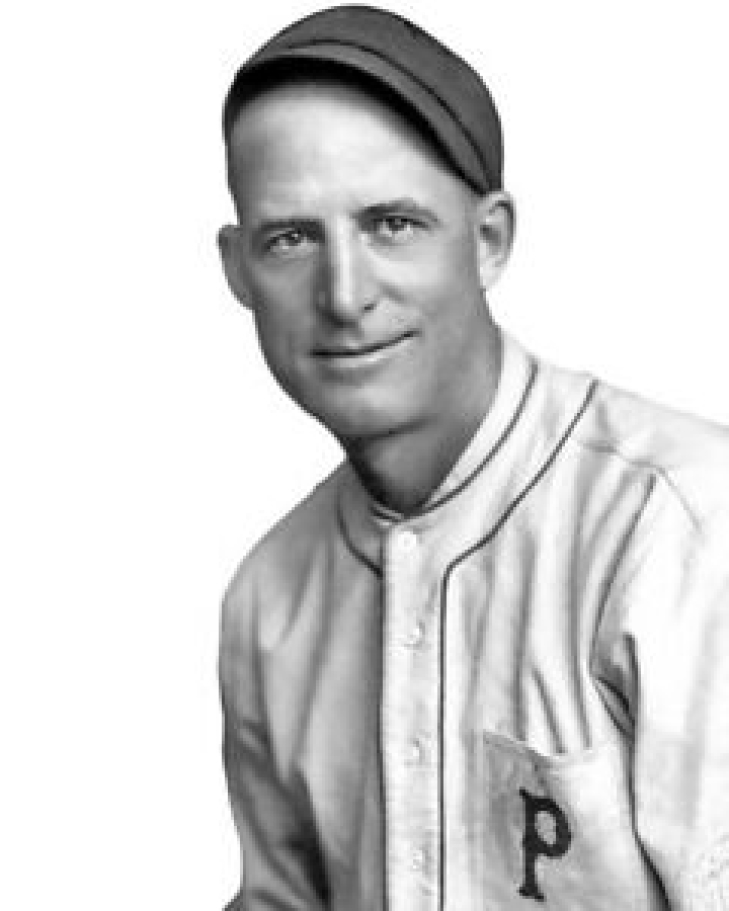
At the start of the 20th century, a major corporate merger dramatically altered the power structure in the National League. When the Louisville Colonels’ owner gained a controlling interest in the Pittsburgh Pirates, he orchestrated the notable departure of top baseball talent to western Pennsylvania, including a young Honus Wagner. While Wagner was a captivating presence on the field, FredClarke was the true architect of the franchise's golden age. As a rare, dual-role player-manager at only 27, the determined and well-organized left fielder crafted the strategic foundation that transformed the Pirates into the dominant team of the Deadball Era.
Clarke made table-setting and baseline pressure a consistent part of his regular-season routine once he secured his spot in the lineup. During his initial 12 years in Pittsburgh, he served as the team's starting left fielder, skillfully outsmarting opponents' defenses with a precise strategy for generating runs.
He achieved a commendable .299 batting average and collected 1,638 hits while playing for the Pirates. He utilized his exceptional speed to steal 261 bases, gaining an advantage over pitchers and catchers. His standout year was 1903, when he displayed peak performance across the league. Clarke excelled at hitting, leading the Senior Circuit in doubles (32), slugging percentage (.532), and OPS (.946). During this season, he achieved a career-high .351 batting average, helping the team reach the first modern World Series.
Six summers later, his dual roles led to a historic achievement in 1909. While he steadily dominated opposing pitchers with a league-high 80 walks, his strategic leadership from the dugout helped the Bucs achieve an extraordinary 110-win regular season. This culminated in a dramatic seven-game World Series victory over Ty Cobb's Detroit Tigers, securing the franchise's first-ever world championship.
After the 1911 Season, Clarke rarely played but stayed on as their Manager until 1915.
He was named to the Baseball Hall of Fame by the Old Timers Committee in 1945.
13. Dave Parker
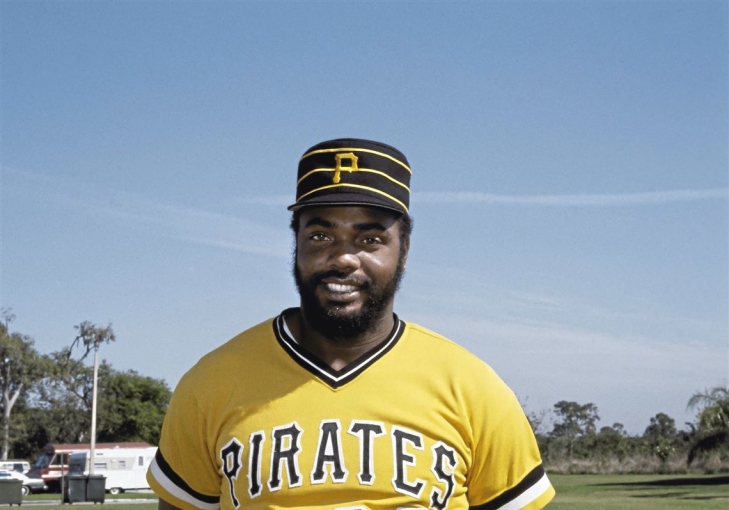
Few athletes in post-war baseball history have ever matched Dave Parker's commanding, almost theatrical presence. Standing 6-foot-5 and weighing 230 pounds, this imposing right fielder roamed Forbes Field and Three Rivers Stadium with a confident swagger that captured the attention of fans and players alike. Wearing a dark visor, a thick mustache, and swinging a hefty 37-ounce bat, "The Cobra" was more than just a player; he was a dominant force. During a remarkable period in the late 1970s, he was the undisputed top predator in the Major Leagues, a five-tool superstar with a cannon for an arm who made right field his personal domain.
His initial introduction in the 1973 schedule offered a brief glimpse of his impressive physical potential. By 1975, he had fully secured the regular right field position. Parker made producing runs from the middle of the order a consistent part of the season, achieving his first.300 batting average along with 25 home runs and 101 RBIs, finishing third in the National League MVP voting.
His definitive rise as a league-wide outlier occurred during the historic 1977 season, when he won his first National League batting title with a blazing .338 average. He also led the Senior Circuit with 215 hits and 44 doubles, earning his first Gold Glove award.
The peak of his regular-season prowess came during a remarkable 1978 showcase now legendary in club history. Parker delivered an outstanding offensive display, earning the National League MVP Award, securing his second straight batting title with an impressive .334 average, while also leading the league with a remarkable .585 slugging percentage and hitting 30 home runs.
On the field, his defensive skills were formidable; he had possibly the most intimidating throwing arm of his era, often halting base runners or gunning them out from deep in the outfield with precise, high-speed throws. This all-around talent peaked commercially during the memorable 1979 "We Are Family" season. Parker led the batting order for the championship-winning team, earning another All-Star selection and Gold Glove award, all while hitting a crucial .345 during the intense seven-game World Series victory against Baltimore.
Sadly, just as he appeared on track for a legendary career based on impressive stats, his rise started to decline sharply as the franchise entered the 1980s. A series of frustrating injuries and abrupt weight changes greatly affected his resilience, but his career suffered its most serious setback off the field due to his deep involvement in the prevalent cocaine culture of that time, a risky distraction that severely affected his focus and led to numerous missed games, hits, and damage to his reputation.
Understanding the need for a fresh environment, Parker officially left the Steel City before the 1984 season, signing as a free agent with his hometown Cincinnati Reds. He experienced a distinctive second phase, with notable, high-performance comebacks in Cincinnati and Oakland, interspersed with disappointing periods of low effectiveness before retiring after 1991.
He left an impressive 11-season Pirates record: 1,479 hits, 166 home runs, 758 RBIs, and a .305/.353/494 slash line in 1,300 games. In 2025, Parker received the long-awaited call and was chosen by the Veterans Committee for the Baseball Hall of Fame.
12. Bob Friend
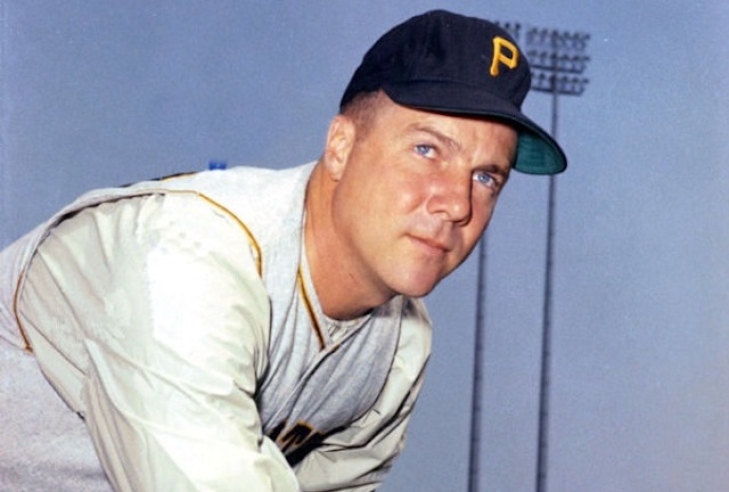
Assessing a pitcher's legacy solely based on win-loss records can sometimes misrepresent their actual performance. When a pitcher spends a decade working in a challenging, low-scoring environment for a struggling team, their overall stats will inevitably reflect those conditions. Bob Friend exemplifies this. During his long, high-appearance career with the Pirates, the resilient right-hander was recognized as one of the top National League starters of his time. However, many fans misinterpret his career numbers because they ignore the context of the teams he carried.
Arriving in Pittsburgh as a young 20-year-old rookie in 1951, Friend was immediately immersed in a challenging period of Pirates baseball under GM Branch Rickey. During his first four summers, he endured significant adversity while playing as both a starter and a high-leverage reliever, on teams that regularly lost more than 90 games annually.
His major breakthrough came in the 1955 regular season when his efficiency filters reached a historic peak across the league. Despite the Pirates finishing at the bottom of the standings, Friend demonstrated exceptional run prevention, leading the National League with a 2.83 ERA and achieving an impressive 6.0 bWAR. He became the first pitcher in major league history to win an ERA title while playing for a last-place team.
What followed was an impressive demonstration of iron-man durability, marking the franchise's gradual move towards relevance. Friend became a regular part of the lineup, consistently taking the ball during the season. He led the National League in games started for three straight summers from 1956 to 1958 and topped the league in challenging workloads by surpassing 270 innings in back-to-back years.
His standout performance came during a remarkable 1958 season, when he matched legendary lefty Warren Spahn for the major league lead with a career-high 22 wins. This contributed to a strong second-place finish for the Bucs and earned him third in the National League Cy Young voting.
Two summers later, that intense workload paid off with the ultimate corporate achievement. As a key frontline player alongside Vern Law during the historic 1960 pennant race, Friend finished with an 18-12 record and a flawless 3.00 ERA. Although his appearances in the subsequent high-stakes World Series against the powerful New York Yankees were challenging and low-variance, his heavy lifting during the regular season was a crucial factor that paved the way for Bill Mazeroski's legendary walk-off home run.
Friend remained a pillar of the organization's rotation all the way through the 1965 schedule, closing out his lengthy 15-year stay in Pittsburgh with a pair of brief twilight stops with both New York franchises before walking away after 1966. Because he spent so many summers throwing for sub-.500 clubs, he retired with a highly unique 197–230 record; with a 191-218 record in Pittsburgh with 1,682 strikeouts.
Despite his accomplishments, Friend was left off the Baseball Hall of Fame ballot when he was first eligible in 1972.
10. Barry Bonds
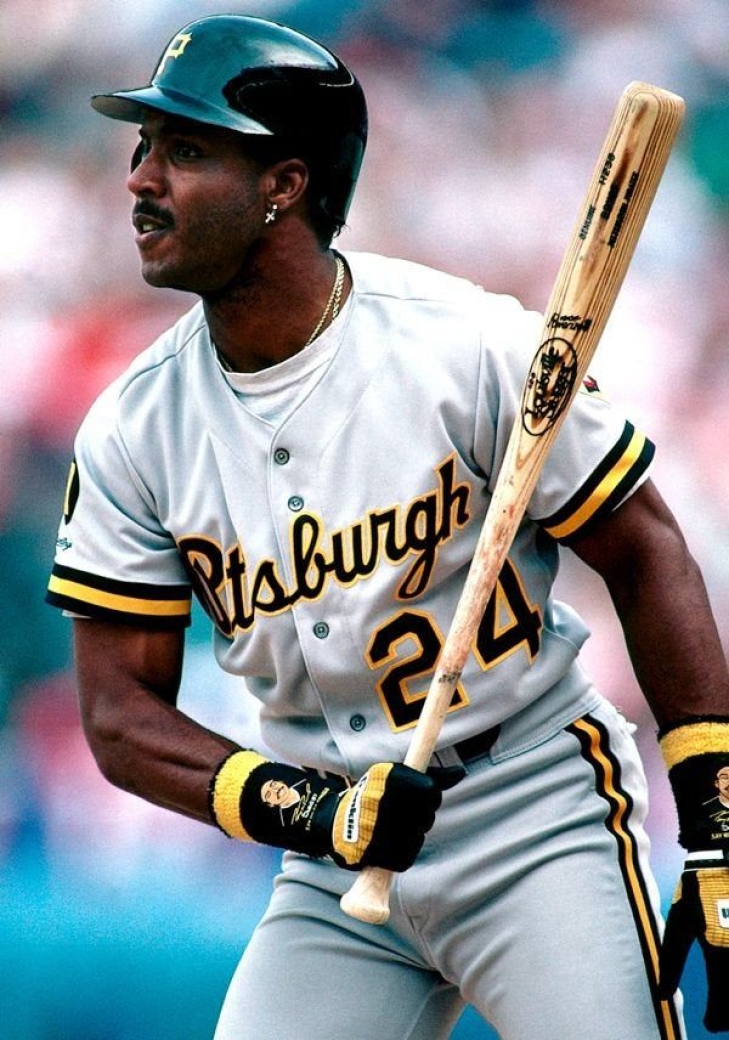
Many in the baseball community often see Barry Bonds as a figure surrounded by heated debates, mainly focusing on his transformation during his late years in San Francisco. But before he became one of the most controversial and dynamic players of the modern game, he spent seven summers in western Pennsylvania building a very different kind of legacy. In Pittsburgh, Bonds wasn't just a towering slugger; he was a slim, incredibly fast, five-tool talent who blended amazing athletic skill with a sharp, instinctive eye. His efforts helped lift a struggling small-market team from the bottom of the National League standings into a long, exciting period of championship chase.
Drafted sixth overall in 1985, Bonds inherited incredible talent from his father, Bobby Bonds, and his legendary godfather, Willie Mays. He quickly advanced through the minor leagues and made his major league debut the next summer. By the start of the 1987 season, he had earned the regular spot in left field, ready to shine.
Although his initial campaigns from 1987 to 1989 were undoubtedly effective, they occasionally failed to meet the expectations of a local fan base and media that anticipated immediate, generational excellence. Additionally, his confrontational and highly defensive interactions with journalists and management swiftly created an impression that he was exceedingly difficult to handle behind the scenes.
His career's key turning point occurred during a historic 1990 breakout season, when his raw talent finally transformed into remarkable efficiency. Bonds delivered an outstanding multi-faceted performance that earned him his first National League MVP Award. He hit .301, led the league in slugging percentage (.565), and had an OPS of .970. He also hit 33 home runs, drove in 114 RBIs, stole 52 bases, and played Gold Glove defense, helping the Pirates win their first National League East division title in over ten years.
Far from being just a one-summer anomaly, Bonds spent the following two years dominating National League pitching staffs. He narrowly missed the MVP award in 1991, finishing as the runner-up after leading the league with a .410 on-base percentage, and then delivered an exceptional performance in the 1993 season.
In the impressive 1992 regular season, Bonds earned his second MVP award by hitting 34 home runs, driving in 103 runs, and drawing a league-high 127 walks. He dominated advanced analytics by leading all of baseball in on-base percentage (.456), slugging (.624), and OPS (1.080), while also earning his third straight Gold Glove and Silver Slugger awards.
Despite leading the team to three straight National League Championship Series, underlying tensions persisted. The fans, often alienated by his distant attitude and disappointed by his postseason struggles, never truly warmed up to him. Given the harsh financial constraints of small-market baseball, everyone in Pittsburgh knew the front office could never offer him the lucrative contract available in free agency.
Bonds signed with San Francisco in 1993, and he became the most feared offensive player, perhaps ever. Over his tenure in Pittsburgh, Bonds smacked 176 Home Runs, 556 RBI, with a sick Slash Line of .275/.380/.503. As of this writing, Bonds is the only two-time MVP in franchise history.
9. Max Carey
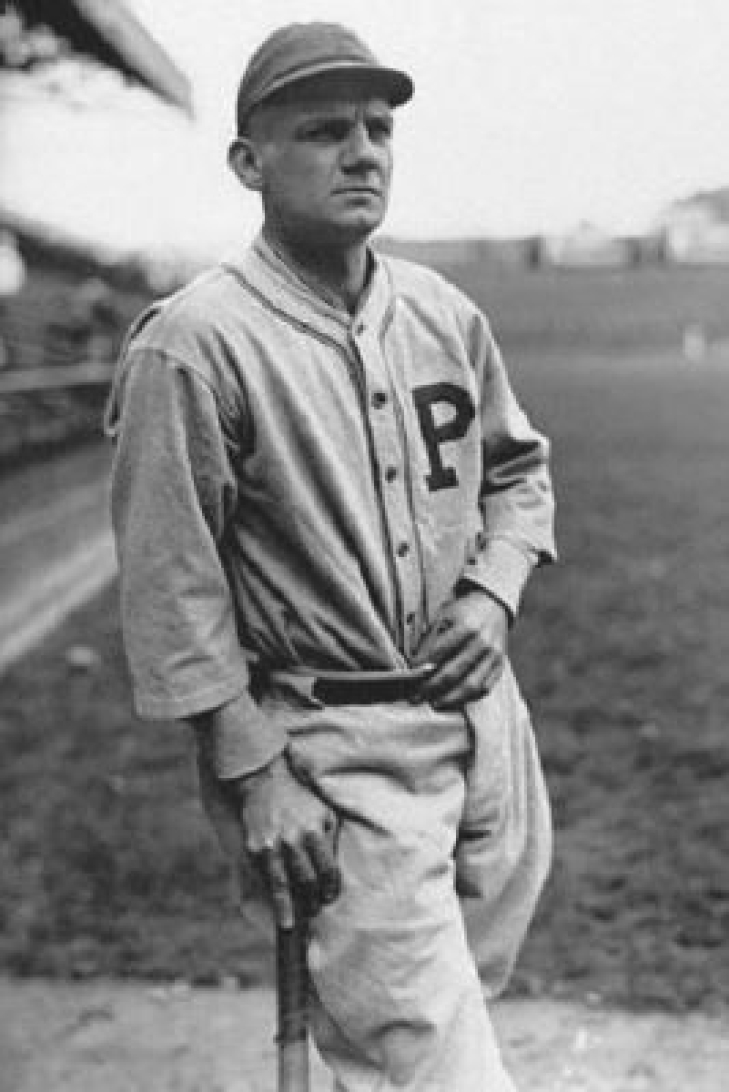
The modern idea of an elite leadoff hitter often evokes images of quick speedsters, but Max Carey combined agility with keen, strategic thinking. Originally on track to become a Lutheran minister, the Indiana-born player unexpectedly shifted to baseball, applying a deliberate, tactical approach to base running that changed the run game. His modest debut over two games for the Pittsburgh Pirates late in 1910 showed the team they had found their fastest player, a base stealer who would spend fifteen years making the bases his domain.
Carey made table-setting a staple of his regular-season routine, expertly navigating the Deadball Era with a pristine left-handed bat and sharp eye. While he lacked power for the middle of the lineup, he was a highly effective contact hitter who surpassed the .300 batting average six times during his tenure in Western Pennsylvania. He consistently overwhelmed opposing pitchers with his patient approach, leading the National League in walks twice and frequently maintaining on-base percentages that kept the infield in a constant state of high alert.
Once Carey produced a free pass or a single, the true operational magic started. He didn't sprint blindly; instead, he analyzed pitchers' movements with precise detail, leading the way in timing jumps over simply depending on quick footwork. His breakout on the leaderboard came in 1913, when he captured his first National League stolen base crown with 61 swipes.
Carey delivered an exceptional display of stolen-base prowess, unmatched in National League history. Over his career, he led the league in stolen bases ten times. His peak came in 1922 when he stole 51 bases in 53 attempts, achieving a remarkable 96.2% success rate despite the era's defensive technologies and pitch-out strategies designed to contain him. He ended his career with 688 stolen bases in the Steel City, a record that still stands as the all-time high in Pirates history.
Nevertheless, evaluating his historical impact solely through his legs underestimates his overall defensive contribution on the field. As a roaming center fielder endowed with exceptional instinctual reads and spatial agility, Carey revolutionized the outfield, rendering it virtually impenetrable for opposing line drives. He consistently led the league in putouts and assists, building a defensive record that would have easily earned him multiple Gold Gloves if such awards had been available in his time.
The peak of his team's achievement came during the historic 1925 regular season, where his veteran leadership led the Bucs to a National League pennant. In the seven-game World Series against the Washington Senators, Carey delivered an outstanding performance, hitting an impressive .345 and helping Pittsburgh win the world championship.
Tragically, his long tenure with the club ended suddenly and without ceremony in the middle of 1926. Amidst a fierce and widely publicized dispute within the front office, involving player-coach Fred Clarke, often called the "ABC Affair' by historians, the aging captain was quickly placed on waivers and subsequently claimed by the Brooklyn Robins.
He departed the organization with an exceptional localized baseline of 2,425 hits, 1,415 runs scored, and 306 doubles over 2,130 games. Carey was chosen by the Veterans Committee in 1961 for the Baseball Hall of Fame.
11. Andrew McCutchen
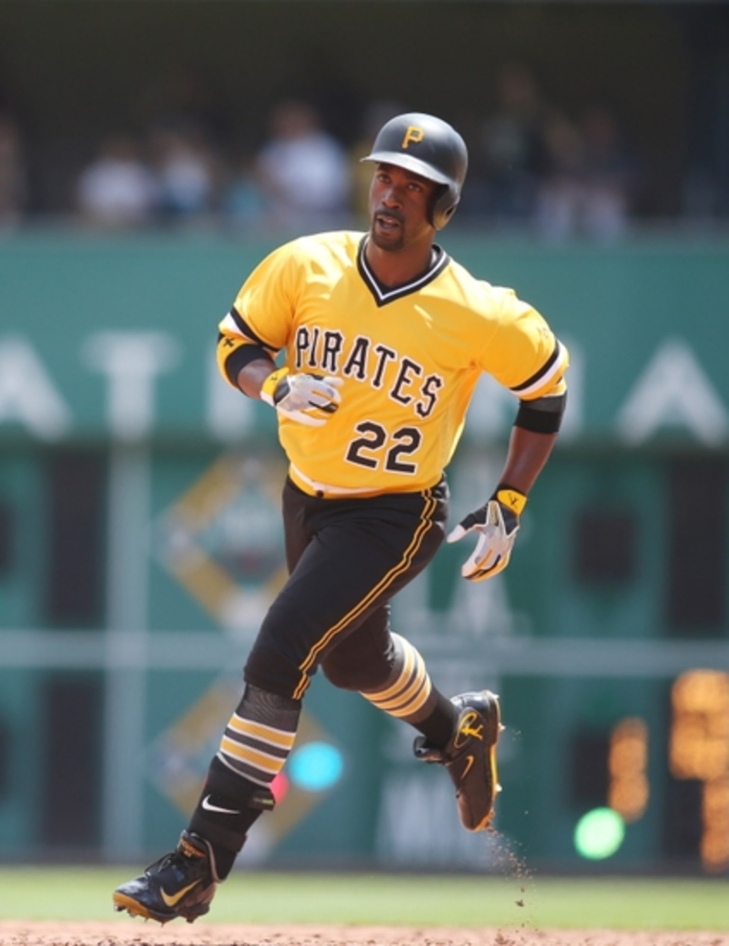
Few athletes in the 21st century have carried the spirit of an entire city as effectively as Andrew McCutchen. When he made his major league debut in June 2009, quickly confirming his status as the 11th overall pick from the 2005 draft, the Pittsburgh Pirates were in the midst of a historic, decade-long losing streak. With boundless energy, a distinctive dreadlocks hairstyle, and a lightning-fast right-handed swing, "Cutch" not only earned numerous individual awards but also transformed the franchise's identity, turning PNC Park from a picturesque concrete stadium into a vibrant hub of excitement.
His debut season demonstrated multi-dimensional dominance. After placing fourth in the National League Rookie of the Year voting, McCutchen achieved five straight All-Star selections from 2011 to 2015. He established himself as a regular-season threat at the top of the lineup, consistently producing elite runs by combining impressive power and speed.
McCutchen achieved seven consecutive seasons with at least 20 home runs and followed up with five straight seasons of 20 stolen bases, often leaving opposing pitchers and catchers stunned. He surpassed the .300 batting average three times and led the National League in on-base percentage in 2014 with an impressive .410.
His best year came during the memorable 2013 season. McCutchen delivered an outstanding MVP-caliber performance, hitting 21 home runs, stealing 27 bases, and posting an impressive .314/.404/508 slash line. More significantly, he was the main driver who helped the Pirates end a 20-year postseason drought, leading them to three straight wild-card appearances.
A four-time Silver Slugger and consistently among the top MVP contenders with four top-five finishes, his physical performance gradually declined after 2015. Nevertheless, he remained the essential heartbeat of the organization. This strong emotional connection made the January 2018 trade to San Francisco a shocking and heartbreaking event for local fans.
Yet, baseball folklore has a beautiful way of coming full circle. After spending five summers collecting passport stamps with the Giants, Yankees, Phillies, and Brewers, McCutchen engineered a triumphant, highly celebrated return to Western Pennsylvania ahead of the 2023 campaign. He transitioned gracefully into a revered elder-statesman role, primarily serving as the team's designated hitter.
The final, bittersweet chapter of his localized playing career took place during the recently concluded 2025 season. At 38, McCutchen endured a busy winter, playing in 135 games with a consistent performance- posting a .239/.333/367 line, hitting 22 doubles, and 13 home runs. Notably, he struck an emotional, spectacular long ball against Miami on June 11, which moved him into sole possession of third place on the team's all-time home run leaderboard.
With the Pirates, McCutchen had 2,048 hits, 305 doubles, 215 home runs, and 782 RBIs across 1,623 games in black and gold.
7. Ralph Kiner
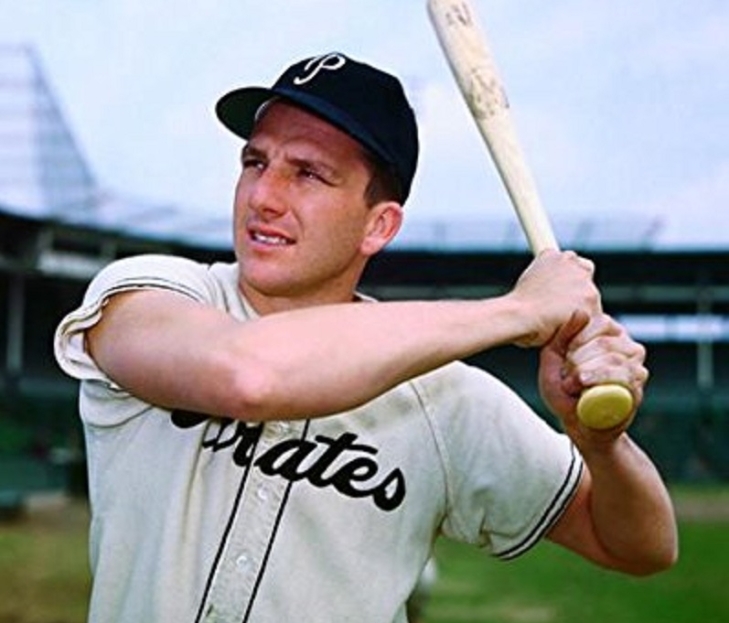
The history of major league baseball features many legendary sluggers with impressive career statistics, but Ralph Kiner stood out in the post-war era for his extraordinary power. For seven summers after World War II, this handsome, broad-shouldered left fielder transformed Forbes Field's left-field seats into his personal zone of dominance. During a difficult period for the franchise, Kiner alone kept attendance high by setting a record for home run frequency that remains unmatched.
His debut in the major leagues during the 1946 season provided little hint of the monumental impact that would come later. Although Kiner secured the National League home run title as a rookie, his stats were somewhat misleading: he ended with only 23 home runs, led the league with 109 strikeouts, and had a rather modest .430 slugging percentage.
Instead of allowing rookie struggles to shape him, Kiner undertook a remarkable journey of self-improvement, guided by his new teammate Hank Greenberg. He methodically adjusted his batting style, reducing his swing size and significantly increasing his plate discipline, turning his extra-base power into a consistent part of his daily game.
What followed was a stunning, high-output assault on the record books. Kiner achieved an incredible streak of seven straight home run titles from 1946 to 1952, a feat that still stands unmatched in baseball history.
Over the next five summers, he consistently surpassed 40 home runs, with two seasons exceeding 50. His best season was in 1949, when he hit a career-high 54 home runs, drove in 127 RBIs, and achieved an impressive .658 slugging percentage.
Kiner was far from a simple, all-or-nothing free swinger. He developed an exceptionally keen eye at the plate, leading the Senior Circuit in walks three times and surpassing a .400 on-base percentage three times, notably hitting a league-high .452 OBP in 1951. He won three slugging titles, three OPS titles, and finished in the top ten in National League MVP voting for five consecutive years from 1947 to 1951.
Sadly, Kiner’s remarkable individual achievements took place on Pittsburgh teams that were mostly poor, finishing with only one winning record during his time. This clear contrast between his superstar performance and the team's struggles led to a well-known financial dispute with GM Branch Rickey. After Kiner refused a salary cut after hitting 37 home runs, Rickey famously declared: "We finished last with you; we can finish last without you."
True to his promise, Rickey traded the franchise icon to the Chicago Cubs in mid-1953 in a large ten-player deal. Kiner's peak performance, characterized by high velocity, soon declined; persistent back degeneration severely limited his power, ultimately ending his career by the end of the 1955 season at only 32 years old.
He left the Steel City having accumulated an exceptional localized baseline of 301 home runs, 801 RBIs, and a spectacular .280/.405/.567 slash line across 1,095 games.
Kiner famously began a second, highly successful career as a beloved broadcaster for the New York Mets, keeping his voice a part of the sport for generations. The peak of his greatness was confirmed in 1975 when baseball writers inductively voted him into the Baseball Hall of Fame in his last eligible year.
To permanently mark his monumental impact on the community, the organization, with deep reverence, moved to elevate his legacy to the rafters of Three Rivers Stadium, officially retiring his iconic number 4 jersey in 1987.
6. Babe Adams
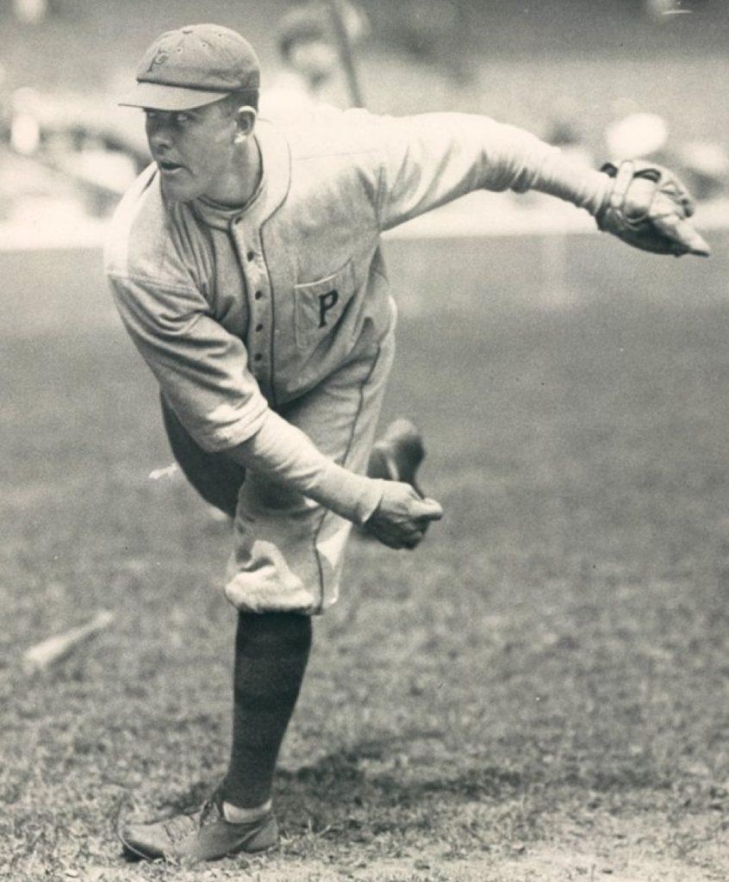
The history of pitching is full of fire-breathers who used raw speed to overpower batters, but Babe Adams took a different approach. Throughout his 19-year MLB career, mostly with the Pittsburgh Pirates, except for a brief relief stint with the St. Louis Cardinals in 1906, Adams made his mark with remarkable control. He turned the strike zone into his personal canvas of precision, effectively neutralizing the best hitters of the Deadball Era by avoiding unnecessary walks.
His official debut as a key player coincided with the historic 1909 pennant race, leading to one of the most memorable rookie performances ever seen on baseball's biggest stage. Facing Ty Cobb and the formidable Detroit Tigers in the Fall Classic, manager Fred Clarke gambled on his young right-hander. Adams responded with exceptional excellence, pitching and winning three games, including a complete-game shutout in the crucial Game 7. He dominated the American League champions over 27 intense innings, allowing only four runs, ending the series with a remarkable 1.33 ERA and a 0.889 WHIP, earning Pittsburgh its first world championship.
Far from being just a flash in October, Adams quickly proved himself as a top-tier pitcher. He showcased a remarkably smooth and effortless delivery paired with a potent curveball, achieving two outstanding 20-win seasons in 1911 and 1913. Consistently excelling in run prevention and baserunner suppression, he led the National League in WHIP in 1911 and 1914, and frequently topped the circuit in FIP. This highlights that his effectiveness was largely independent of his team's defensive support.
Yet, the immense physical toll of throwing over 300 innings a year finally caught up to him. A severe shoulder injury severely derailed his velocity, culminating in a dismal 1916 campaign that looked like a permanent career exit. Adams spent the bulk of the subsequent two summers buried in the minor leagues, a stretch that would have broken a lesser competitor.
His second act represents one of the greatest, unheralded comeback stories in baseball folklore. Returning to Forbes Field in 1919 with a completely rebuilt pitching repertoire, Adams embarked on a spectacular twilight peak that defied both Father Time and the explosive arrival of the live-ball era. From 1919 through 1921, he systematically paralyzed National League lineups to lead the league in WHIP for three consecutive summers. Even more staggering, across a four-year window from 1919 to 1922, his control reached an era-defining peak, leading all of baseball in fewest walks per nine innings and strikeout-to-walk ratio. Opposing hitters knew exactly where the pitch was going, but his pinpoint accuracy meant they still couldn't square it up.
By the time the mid-1920s rolled around, Adams had transitioned into a revered, 40-something elder statesman in the clubhouse. While his overall playing time was significantly reduced, he served as a highly functional veteran anchor on the historic 1925 championship roster. When the Pirates defeated Washington in a thrilling seven-game Fall Classic that October, Adams etched his name permanently into a unique corner of club lore, becoming the solitary player to bridge the generation gap as a member of both the 1909 and 1925 World Series title teams.
By 1924, his performance had declined, but he was in his 40s by then. In 1925, Adams participated in the World Series; although he had limited playing time, he helped the championship team. This made him the only player to win both Pittsburgh's 1909 and 1925 World Series titles. His final season was in 1926, and he retired with a record of 194-139 and a WHIP of 1.090.
5. Arky Vaughan
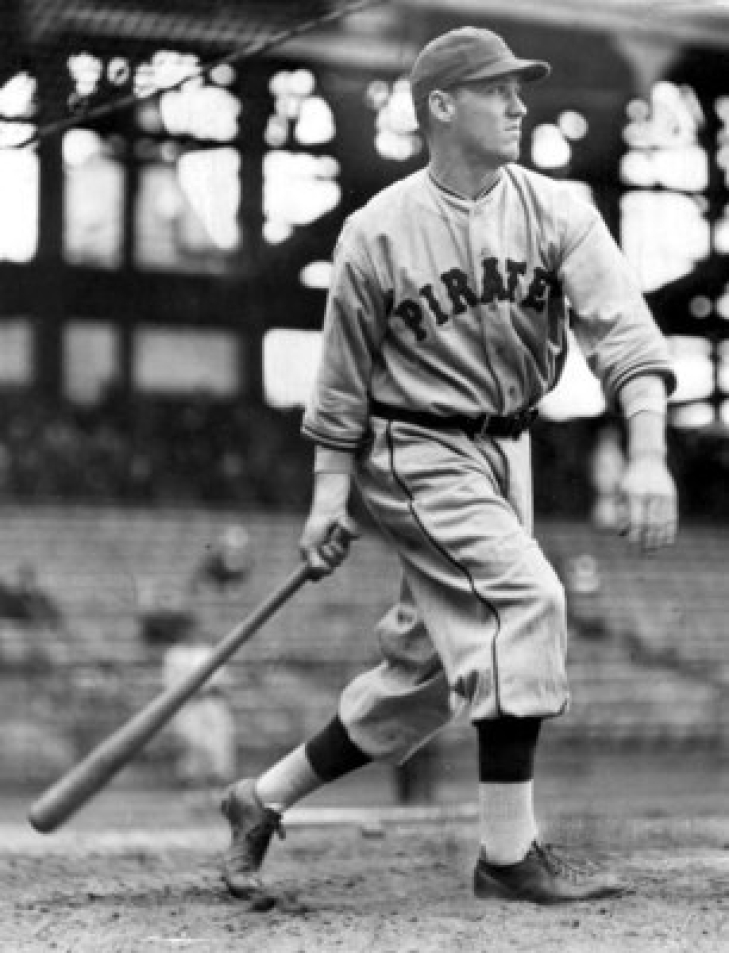
Following the footsteps of a legendary hometown figure can overshadow a young player's career, but Arky Vaughan spent ten years demonstrating he could rise above the shadow of Honus Wagner. Coming from Arkansas farmland to earn his lifelong nickname, Vaughan arrived in Pittsburgh with a quiet, deadly focus that reflected the industrial surroundings of Forbes Field. While Wagner himself wandered the dugout as the team's iconic coach and mentor, Vaughan dedicated himself to building a legacy that ranks just below "The Flying Dutchman" among the greatest shortstops in history.
Initially, Vaughan was expected to observe during the 1932 schedule, learning from veteran Tommy Thevenow. However, an ankle injury to Thevenow put Vaughan, then just 20, directly into the action. He didn't merely survive the challenge; he secured the starting role for the next ten summers.
By his second season in 1933, he was consistently turning extra-base hits into a regular occurrence, leading the National League with a impressive 19 triples. The next summer marked the beginning of a historic nine-year streak of appearances in the All-Star Game, with the first eight played while he was a Pittsburgh player.
His 1935 season is considered one of the greatest offensive displays in Major League history. Vaughan dominated the National League, ending with a remarkable .385/.491/607 slash line. He also showed surprising power for a hitter known for contact, hitting a career-high 19 home runs and driving in 99 RBIs, finishing third in the NL MVP voting. His .385 batting average and 1.098 OPS from that summer remain franchise records to this day.
Evaluating Vaughan only at his peak underestimates his remarkable consistency. He was a dependable hitter, consistently maintaining a batting average above .300 in ten straight seasons with Pittsburgh. His outstanding bat speed, combined with sharp spatial awareness and disciplined plate approach, allowed him to walk nearly four times more often than he struck out throughout his career. This made it very difficult for opposing pitchers to avoid him.
Following the 1941 season, continued conflicts with management led to a major trade that sent him to the Brooklyn Dodgers. He left Forbes Field with impressive career stats: a .324 batting average, 1,709 hits, 908 runs scored, and an outstanding .887 OPS over 1,411 games.
Tragically, his post-baseball life was cut short in 1952 when he drowned at the age of 40 during a sudden storm while trying to save a fishing companion, a final act of selflessness that underscored the quiet dignity he carried throughout his life.
Vaughan was chosen for the Baseball Hall of Fame in 1985 via the Veterans Committee.
8. Wilbur Cooper
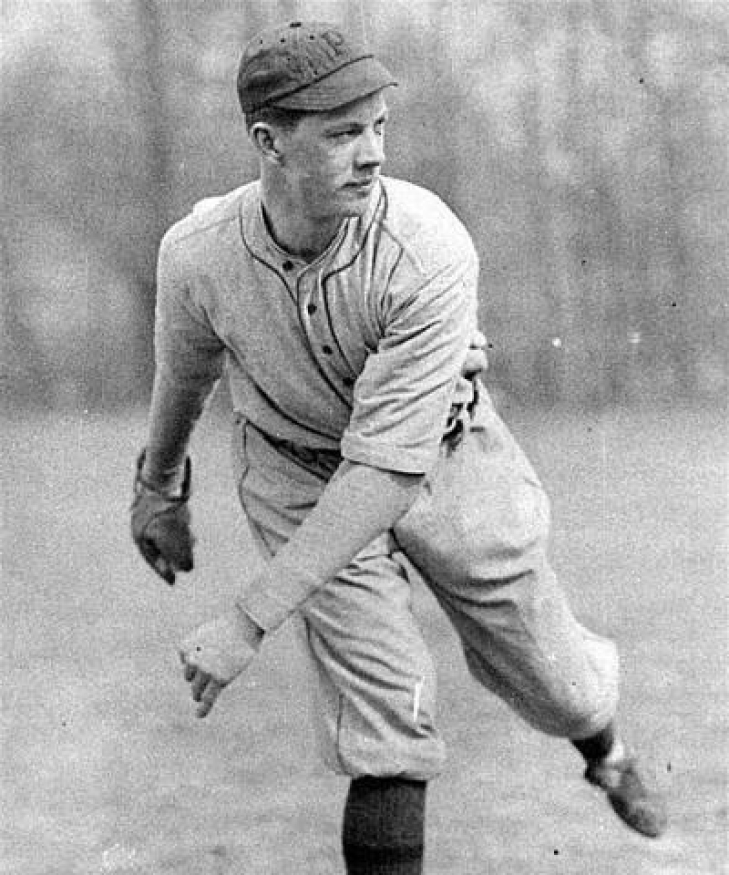
A century's passage can easily erase the legacy of a frontline ace, leaving their greatest accomplishments forgotten in early baseball history. Wilbur Cooper exemplifies this neglect within Pirates history. A skilled, left-handed pitcher who used a sharp changeup and sinking fastball, Cooper spent over ten years dismantling National League lineups with calm precision. However, because his prime coincided with a rare, transitional period between the franchise's early wins, his name is seldom spoken with the same admiration as his peers.
His arrival in Pittsburgh midway through the 1912 season immediately revealed him as a dependable workhorse. Cooper made consistent durability a core part of his routine, expertly managing the tough transitions of the Deadball Era to secure his spot in the starting rotation.
His authentic ascent to elite status took place over an impressive eight-year peak from 1917 to 1924, during which he established himself as one of the most formidable and effective southpaws in Major League Baseball. Throughout this dominant period, Cooper consistently ranked in the top ten of the National League across nearly all key pitching categories, regularly surpassing 200 strikeouts and 300 innings, all while making run prevention appear effortless.
He surpassed the prestigious 20-win threshold four times while playing for Pittsburgh, highlighted by an outstanding 1922 season with a career-best 23 wins, 28 complete games, and a solid 3.18 ERA.
Through his remarkable longevity, Cooper etched his name into the major league record books as the first left-handed pitcher in the National League to reach 200 career wins. Although he didn't extend his total much beyond that, ending his career with 216 wins, his impact remains unparalleled. He is still the winningest pitcher in Pittsburgh Pirates history, with an impressive 202 victories that remain unmatched.
The tragic aspect of Cooper's legacy lies in unfortunate historical timing. After dedicating 13 seasons to the organization, he was traded to the Chicago Cubs before the 1925 season. That autumn, the Pirates secured an exciting World Series victory without him. If Cooper had been part of that championship team, his name might have been honored with a retired number and physical memorials, solidifying his place in history.
Modern advanced metrics and analytical filters have thankfully begun to rescue his profile, highlighting his immense 48.2 career bWAR anchor as a Pirate.
16. Pie Traynor
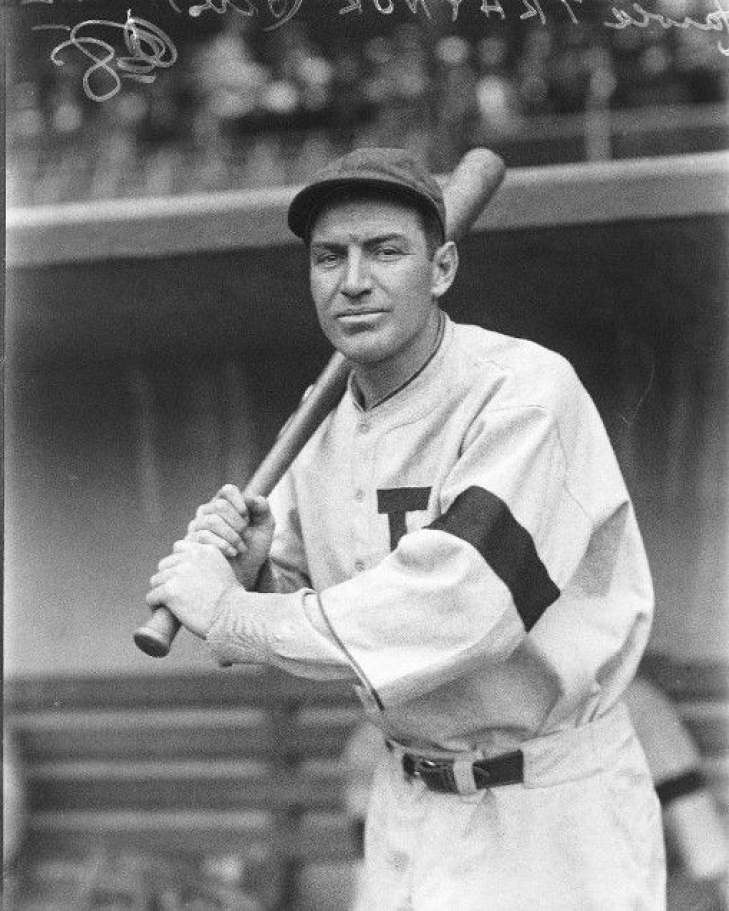
Early 20th-century baseball history often highlights Harold "Pie" Traynor as the benchmark for third-base excellence. Coming from Massachusetts’ sandlots to earn his nickname, the friendly and popular third baseman spent nearly twenty years as the franchise's main figure. For many fans and writers of his era, Traynor was the definitive standard, skilled defensively, a clutch hitter, and known for his gentlemanly behavior, making him a cherished part of Western Pennsylvania's sports culture.
After a brief appearance in the 1920 and 1921 schedules, Traynor fully claimed the everyday third baseman role in 1922 and held onto it for the next 14 seasons. He made contact hitting a consistent part of his game, skillfully adapting to the lively ball era with a remarkably smooth, low-variance right-handed swing.
Traynor frequently challenged National League pitchers, achieving over a .300 batting average in ten seasons. He ended his career with an impressive .320 average and 2,416 hits. Despite lacking modern power—hitting only 58 home runs in 1,941 games—he was exceptionally effective at producing runs in critical moments. Using a smart situational hitting strategy and excellent bat control, Traynor surpassed 100 RBIs six times and often drove the ball into the large gaps of Forbes Field.
His consistent individual performance gained him regular national recognition, with seven top-ten placements in the National League MVP voting. The peak of his team success came in the notable 1925 season, when he posted a .320 batting average, leading the Bucs to a pennant. He also hit a crucial home run against Walter Johnson in the exciting seven-game World Series, helping them win the championship.
Although traditional baseball legends celebrate his legacy, modern analytics provide a more critical view of his efficiency. When analyzed with current run-creation metrics, his overall value is limited by a low walk rate, resulting in a .362 career on-base percentage, and limited power. Defensive metrics like Total Zone indicate that, despite his impressive reflexes and strong arm, his positional range was more average than his legendary reputation suggests.
Since the Pirates have a notably top-heavy, historical hierarchy filled with immortal, high-volume Hall of Famers in the inner circle, these analytical adjustments ensure Traynor remains firmly in the secondary tier of franchise legends.
After retiring from playing, he smoothly moved into a successful managerial career and became a renowned sports broadcaster in the city, keeping his voice as a daily presence for local fans until he passed away in 1972.
Traynor was inducted into the Baseball Hall of Fame in 1948, and his number 20 was retired by the team in 1972.
4. Willie Stargell
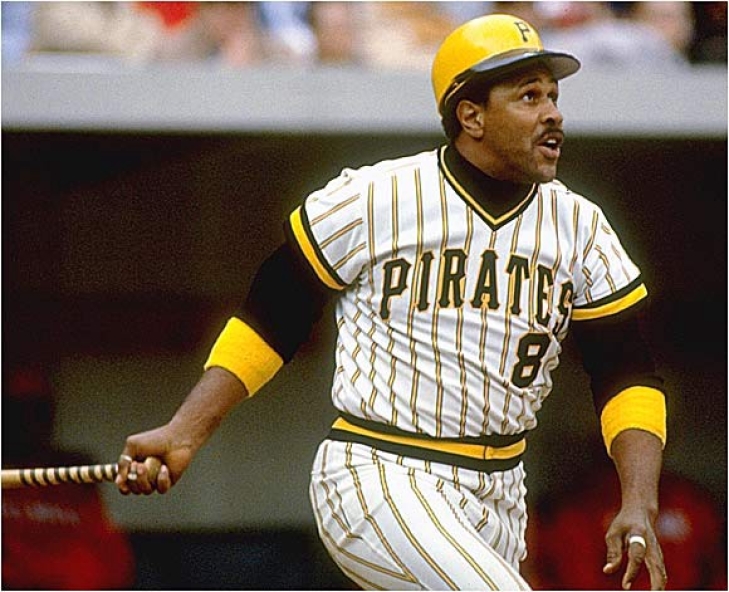
When Willie Stargell debuted for the Pirates in late summer of 1962, he didn't immediately shift the National League's landscape, but the tall left-handed slugger from Oklahoma quickly became a towering presence. Initially playing left field, "Pops" spent the 1960s providing raw power alongside Roberto Clemente. He swung a heavy bat with a distinctive, sweeping motion that struck fear into pitchers, routinely hitting tape-measure home runs over Forbes Field's roofs.
By the 1970s, his influence soared to a historic, league-shaping peak. Stargell won two National League home run titles, hitting a career-best 48 in 1971 and 44 in 1973. In those standout seasons, he also led the league in slugging percentage and narrowly missed the MVP award. As the cleanup hitter for the "Lumber Company" lineup that won the 1971 World Series, his true masterpiece was reserved for the final years of his career.
By the late 1970s, Stargell had moved to first base and became the team's clear leader. Before the famous 1979 season, he changed the clubhouse atmosphere by adding embroidered "Stargell Stars" to the team's unique pillbox caps, giving them to players who performed well in key moments. With his guiding presence, the team embraced Sister Sledge’s song "We Are Family," turning their baseball squad into a symbol of unity and culture.
In the diamond spotlight, the 39-year-old veteran led the team to victory. He shared the 1979 National League MVP award with Keith Hernandez and delivered an impeccable postseason performance. Stargell expertly broke down opposing pitchers, earning both the NLCS and World Series MVP honors. He became the first player in major league history to win all three MVP titles in one season, highlighted by a crucial, go-ahead home run in Game 7 against Baltimore that clinched the world championship.
His physical baseline broke down rapidly under the weight of knee injuries following that magical autumn, limiting his playing time until his permanent retirement at the conclusion of the 1982 schedule. He walked away from the diamond as a lifelong, 21-year one-uniform icon, holding the definitive all-time franchise records with 475 home runs and 1,540 runs batted in.
The Pirates retired his No. 8, and in 1988, he was inducted into the Baseball Hall of Fame on his first ballot. The franchise also unveiled a bronze statue of Stargell outside PNC Park to honor his legacy.
3. Paul Waner
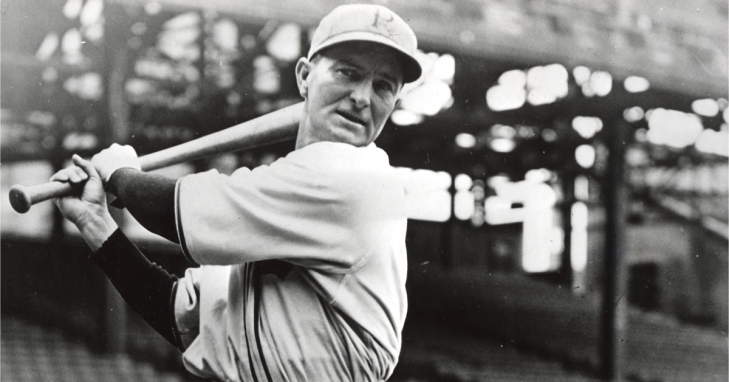
The 1920s brought us the Home Run era that we still enjoy today, but spray hitters have never gone out of style. One of the best was Paul Waner.
Waner learned how to bat by hitting corncobs from Oklahoma, but that is not the most unique part about developing his skills. Waner had poor eyesight, specifically due to astigmatism, and he learned how to hit the blurry baseballs in the middle. Unique as it was, it worked, and he tore it up in the Minors and would land a job in Pittsburgh in 1926 as their Rightfielder.
Waner had a terrific rookie year, leading the NL in Triples (22) with a .336 Batting Average. As an MLB sophomore, Waner had his best year as a professional, topping the league in Hits (237), Triples (18), RBIs (131), and Batting Average (.380). Waner rightfully won the MVP, and although we will argue this was his peak campaign, it was not his last excellent one.
Over the next ten years, Waner could be counted on to produce Hits, Runs, and a high Batting Average. From his rookie year in '26 until 1937, Waner never finished a year with a Batting Average lower than .300, and he won two more Batting Titles (1934 & 1936) to add to the one he captured when he was an MVP. Waner had nine years with over 100 Runs (including two league-leading years), was a two-time Hit leader, and two-time leader in Doubles. He never did capture a second MVP, but he was in the top five three times.
As Waner got older, his skills slipped, and the Pirates traded him to Brooklyn during the 1940 Season. He played five more years, but had he never played baseball after Pittsburgh, Waner would have been Cooperstown-worthy. With the Pirates, he had 2,868 Hits, with a Batting Average of .340.
Waner was chosen for the Baseball Hall of Fame in 1952, his seventh year on the ballot.
2. Roberto Clemente
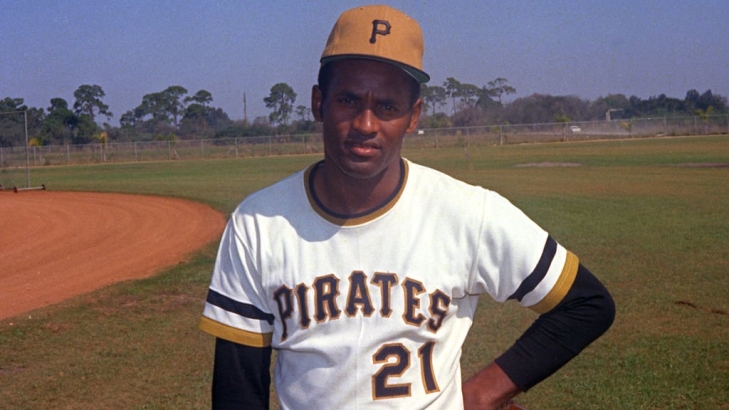
If there were going to be anyone who would have supplanted Honus Wagner as the greatest Pittsburgh Pirate of all time, it would have been Roberto Clemente.
Roberto Clemente's arrival in Pittsburgh before the 1955 season is one of the most fortunate moments in modern baseball history. He was claimed for $4,000 in the Rule 5 draft after the Brooklyn Dodgers tried to hide him on their minor league team in Montreal. The proud, highly athletic young outfielder from Carolina, Puerto Rico, immediately displayed a fierce and stunning style of play at Forbes Field. He moved with a smooth, explosive grace, threw with an incredible, fast arm from right field, and hit line drives with a powerful, relentless swing that challenged any pitcher who faced him.
By the early 1960s, that raw, kinetic talent had evolved into a clear, undeniable period of superstardom. Clemente set the standard for excellence in right field, making the corner of the diamond his own territory. From 1961 to 1972, he earned twelve consecutive Gold Glove Awards, consistently leading the National League in assists and intimidating baserunners with extraordinary throws. At the plate, his field coverage was renowned; he won four National League batting titles, hitting .351 in 1961, .339 in 1964, .329 in 1965, and an exceptional .357 in 1967. He was a regular contender for MVP honors, finishing in the top ten eight times and winning the 1966 Most Valuable Player award after hitting a career-high 29 home runs and driving in 119 runs.
His consistent performance in the regular season established the foundation for two major championship periods in Pittsburgh. In 1960, during the historic run, he hit safely in all seven games of the World Series upset against the New York Yankees. Eleven years later, in the 1971 Fall Classic against the heavily favored Baltimore Orioles pitching staff, 37-year-old Clemente delivered an outstanding performance. He batted .414 with two home runs, secured a hit in every game again, and largely dictated the series’ tempo to earn the World Series MVP award. This victory confirmed his legendary status as a clutch performer on baseball's biggest stage.
His last on-field appearance occurred on September 30, 1972, at Three Rivers Stadium. Playing against Jon Matlack of the New York Mets, Clemente hit a line-drive double to left-center, achieving exactly 3,000 career hits, a perfect milestone for a franchise record holder who also amassed 240 home runs and maintained an impressive .317 career batting average.
The story, sadly, never saw its usual closing chapter. On New Year's Eve 1972, Clemente boarded a heavily overloaded cargo plane carrying emergency relief supplies to earthquake victims in Managua, Nicaragua. The aircraft crashed into the Atlantic Ocean soon after departing from San Juan, claiming his life at 38 and plunging Pittsburgh and the global sports community into deep mourning. His selfless act went beyond the sport, cementing his legacy as the most influential Hispanic athlete in American history.
The Baseball Writers' Association of America convened for a special election, waiving the mandatory five-year waiting period to overwhelmingly vote Clemente into the National Baseball Hall of Fame as part of the Class of 1973. Locally, the franchise brought his memory home to open the new season on April 6, 1973, permanently retiring his iconic number 21 jersey to serve as the final, enduring punctuation mark on a legacy of pure grace, dignity, and unparalleled humanity.
1. Honus Wagner
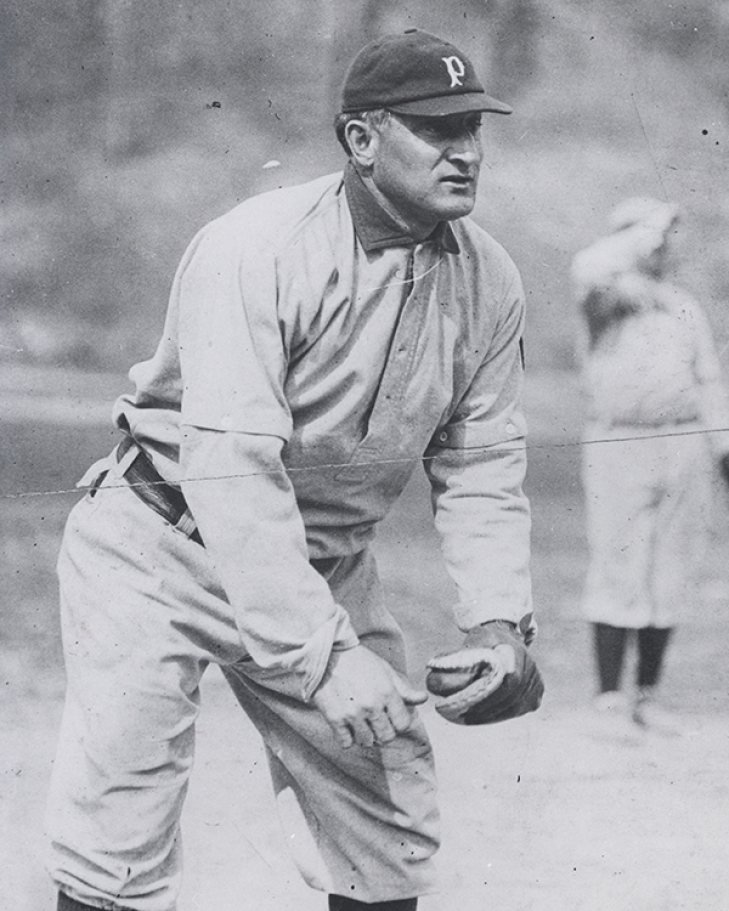
Honus Wagner’s arrival in Pittsburgh ahead of the 1900 season was the byproduct of structural chaos, landing with the Pirates alongside manager Fred Clarke and a massive influx of talent when the Louisville franchise folded. The stocky, bow-legged son of German immigrants didn't fit the classic mold of an agile, graceful shortstop; he possessed massive, barrel-chested strength, exceptionally large hands that scooped up dirt along with the baseball, and an explosive burst of athletic ability that defied his rugged frame.
He quickly changed the senior circuit baseline, winning his first National League batting title during his debut summer in 1900 with a blazing .381 average. This marked the start of a decade of dominance that defined early 20th-century baseball. Known as "The Flying Dutchman,” he set the benchmark for all dead-ball era players, confident in his style and virtually unstoppable. He secured eight National League batting titles, a record that still stands as the gold standard in senior circuit history, and is evenly matched with legendary Tony Gwynn.
When analyzed with modern advanced metrics, his dominance becomes not just impressive but truly extraordinary. Wagner consistently anchored the diamond by leading the National League in positional bWAR an impressive 11 times in his career. Between 1900 and 1912, he never ranked lower than third in the league in overall value, demonstrating an efficiency that seems almost artificially created. During an era when a soft, dark baseball often made deep hits rare, he overwhelmed opponents with his line-drive power, leading the league in slugging percentage six times and total OPS eight times.
Once he reached the basepaths, he unleashed an aggressive, high-leverage running game, pacing the National League in stolen bases five times on his way to 723 career swipes. Defensively, he was a vacuum at shortstop, weaponizing his range and an absolute cannon of an arm to shut down opposing offenses long before anyone conceived of a Gold Glove Award.
That individual brilliance was the engine behind the franchise's first taste of ultimate team success. Wagner pilot-steered the Pirates to three early pennants, culminating in a historic 1909 World Series triumph over Ty Cobb’s Detroit Tigers, where he hit .333 and stole six bases to deliver Pittsburgh its maiden world championship. He remained a fixture in the local lineup until walking away as a player in 1917, concluding his pinstriped journey as the all-time franchise leader in position player bWAR (120.1), runs scored (1,521), and triples (232).
Wagner was also a champion, leading the Pirates to a World Series win in 1909, the first in franchise history. He played until 1917, and is the all-time team leader in bWAR (120.1), Runs Scored (1,521), and Triples (232).
His legacy as one of the twin towers of early baseball history received its ultimate, historic punctuation marks in waves. In 1936, Wagner was elected as one of the "First Five" charter members of the National Baseball Hall of Fame, standing alongside Babe Ruth, Ty Cobb, Walter Johnson, and Christy Mathewson.
His strong connection to the city persisted through a long, multi-decade coaching career. When he retired from active duty on February 16, 1952, the organization immediately retired his jersey number 33, making it the first number to be officially retired in Pittsburgh history. In the spring of 1955, fans dedicated a large bronze statue of him outside Forbes Field. This monument now stands proudly at the home plate entrance of PNC Park, symbolizing the legacy of the greatest Pirate ever.
253. Larry French
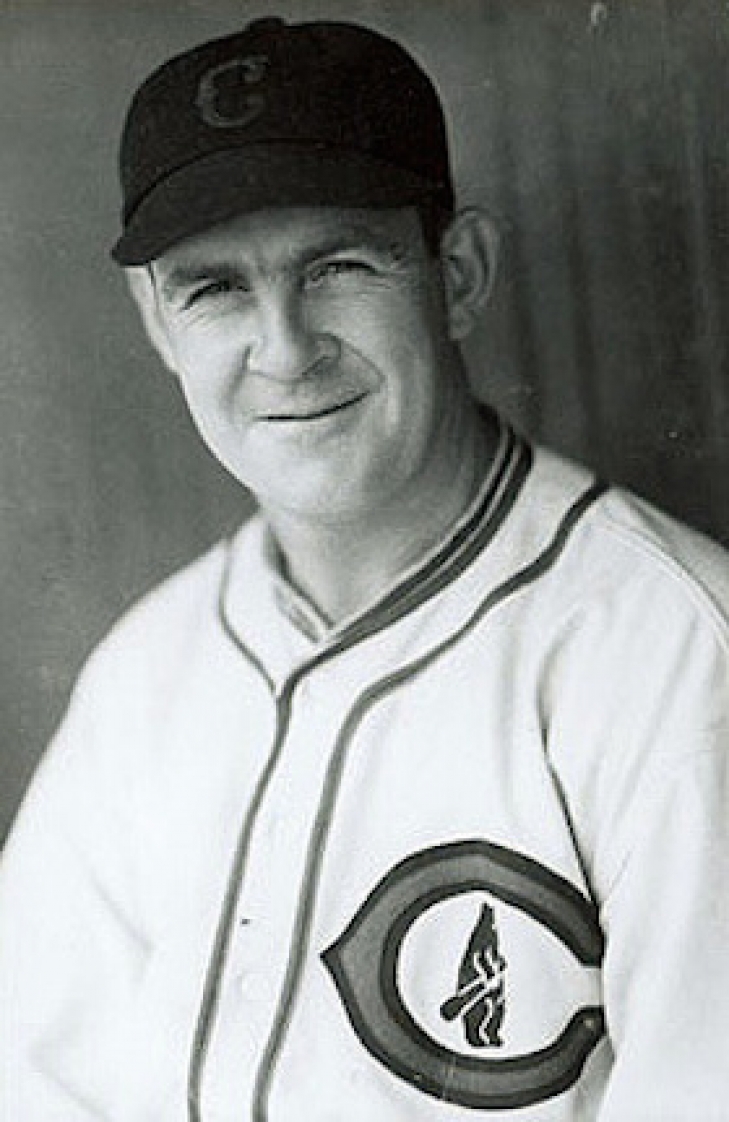
Debuting for the Pittsburgh Pirates in 1929, Larry French was a top knuckleball pitcher of the 1930s.
256. Ed Morris
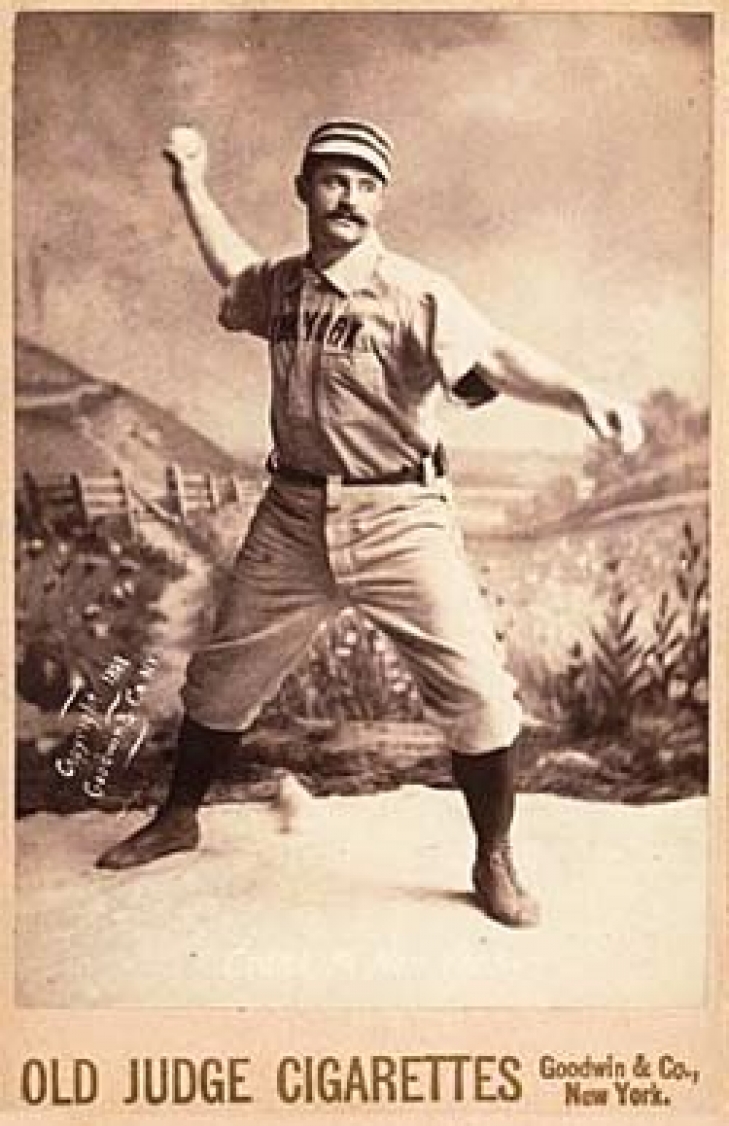
Ed Morris is described by some baseball historians as one of the first great lefthanders. That may or not be accurate, but he was the ace of a professional baseball team, and that can't be disputed.
229. Dick Groat
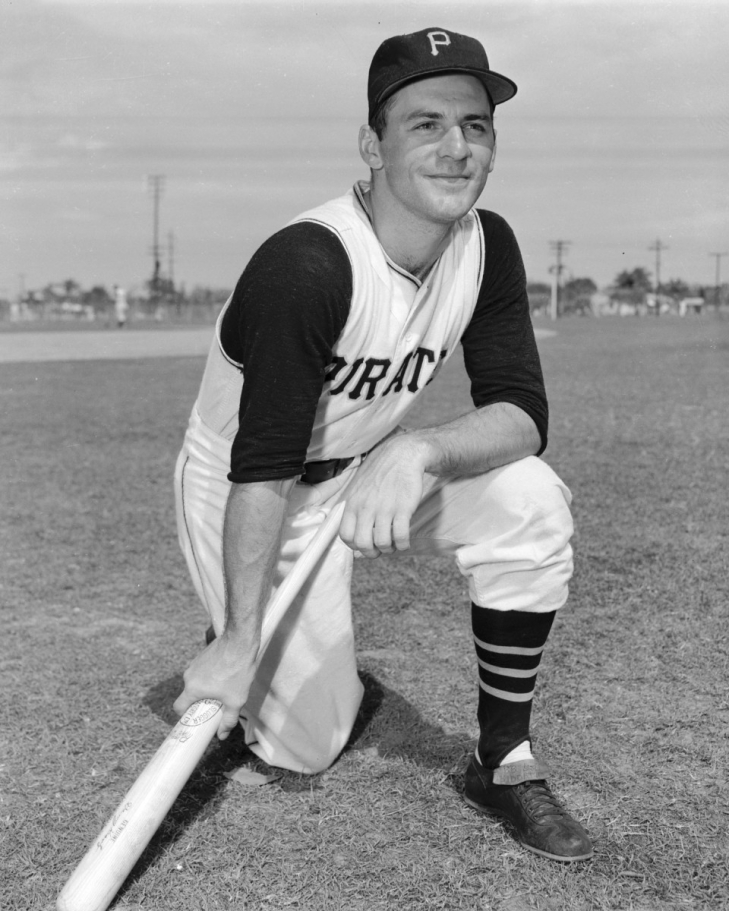
Dick Groat was one of the greatest college athletes ever at Duke University, where he was so good at both basketball and baseball that he is in both sports’ collegiate Halls of Fame. Professionally, Groat opted to play baseball…well, at first anyway.
Groat signed with the Pirates after his stint with the Blue Devils, and he went straight to the parent club rather than the minors. Groat was the second runner-up for the National League Rookie of the Year in 1952, but he missed all of 1953 and 1954 as he was in the military. The Shortstop returned in 1955, and he proved to be one of the best defensive infielders in the National League, finishing in the top ten in Defensive bWAR seven times. Groat was a decent enough hitter, batting at least .300 three times with the Pirates, including a .325 season in 1960, where he won the Batting Title, but that would not be all he captured that season.
1960 was a dream season for Groat, who was also named the National League MVP, and had career-highs not only in Batting Average but in On Base Percentage (.371). The Shortstop helped lead the Pirates to win the World Series that year, capping off Groat's ultimate year.
After the 1962 Season, Groat was traded to the St. Louis Cardinals, and in his first year there, he set a personal best with 201 Hits and 43 Doubles, which led the NL. He batted .319 that year and was second in MVP voting. After two more good years in St. Louis, he was traded to Philadelphia and would close his career in 1967 with a brief stint with the San Francisco Giants.
Groat would accumulate 2,138 Hits with a .286 lifetime Batting Average, and was an All-Star in five of his seasons, three with Pittsburgh and two with St. Louis.