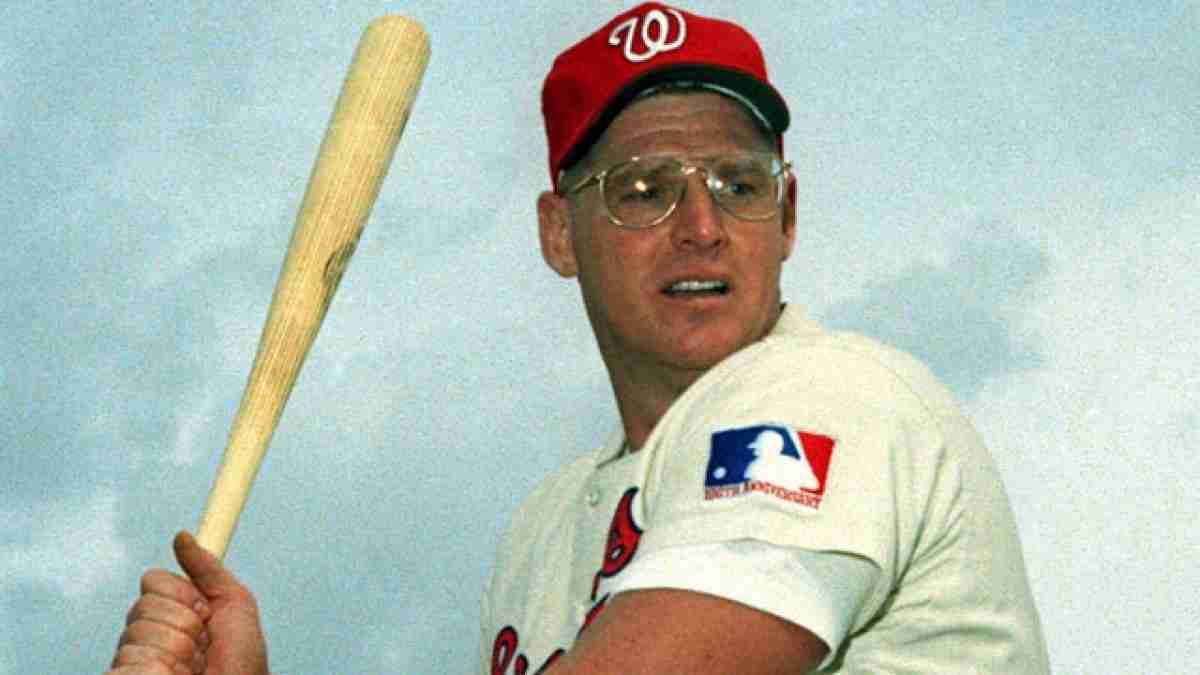
In examining the foundational history of the Texas Rangers franchise, distinguished baseball historians must consciously distinguish the organization's geographical origins from its chronological record. Prior to relocating to Arlington amidst the intense heat of summer, the franchise operated as the second iteration of the expansion Washington Senators. During those challenging and low-leverage years in the nation's capital, the team consistently finished at the bottom of the standings. Nonetheless, they were supported by an exceptionally formidable individual who provided the local fanbase with a compelling reason to attend the ballpark each afternoon. Standing at an imposing 6'7" and weighing over 250 pounds, Frank Oliver Howard was a physically commanding and high-velocity presence in an era characterized by defensive play. Throughout his illustrious career, which encompassed the club's historic relocation, the celebrated slugger, aptly nicknamed “The Capital Punisher,” served as a key middle-of-the-order batter and power hitter.
His initial arrival prior to the 1965 season was the highlight of a significant, multi-team trade with the Los Angeles Dodgers, where he had previously received the National League Rookie of the Year award and a World Series championship ring. In Washington, Howard did not merely assume a position in the middle of the batting order; he also converted the expansive dimensions of RFK Stadium into his personal proving ground for extraordinary power.
He made hitting towering home runs a daily habit, with balls landing so far that stadium officials marked their landing spots by painting three seats white. His peak of dominance occurred during an extraordinary three-year period from 1968 to 1970, a time when baseball was struggling with a low-scoring, dead-ball era. Howard ignored this offensive downturn and belted over 40 home runs for three straight seasons. In 1968, he led the league with 44 home runs, then set a career high with 48 round-trippers in 1969.
His peak season was a stunning 1970 regular season, showcasing a masterful balance in his hitting. That summer, he led the American League with 44 home runs, 126 RBIs, and an impressive 132 walks, combining raw power with an exceptional .416 on-base percentage. This performance secured his third top-five finish in the American League MVP voting.
Following the conclusion of a highly productive summer in 1971, during which he hit 26 home runs, the franchise carried out its long-anticipated and somewhat contentious relocation to the Dallas-Fort Worth area prior to the 1972 season, rebranding itself as the Texas Rangers. Demonstrating his steadfast dedication, the veteran icon permanently engraved his name in local history by hitting the inaugural home run in Texas Rangers history during the team's first home game at Arlington Stadium.
The heavy physical strain of supporting such a large frame over nearly fifteen summers took a toll on his lower body, leading to declines in his power and contact rates. Acknowledging this natural decline and embracing a youth-focused strategy, the front office quietly sold his contract to the Detroit Tigers in August 1972 for the waiver price, marking the end of his iconic era with the team.
Across his 1,172 total games representing the Senators and Rangers, he accumulated exactly 1,141 hits, 155 doubles, 246 home runs, and 701 runs batted in, entirely validated by a stellar .503 slugging percentage and an exceptional 142 career OPS+.
Comments powered by CComment