
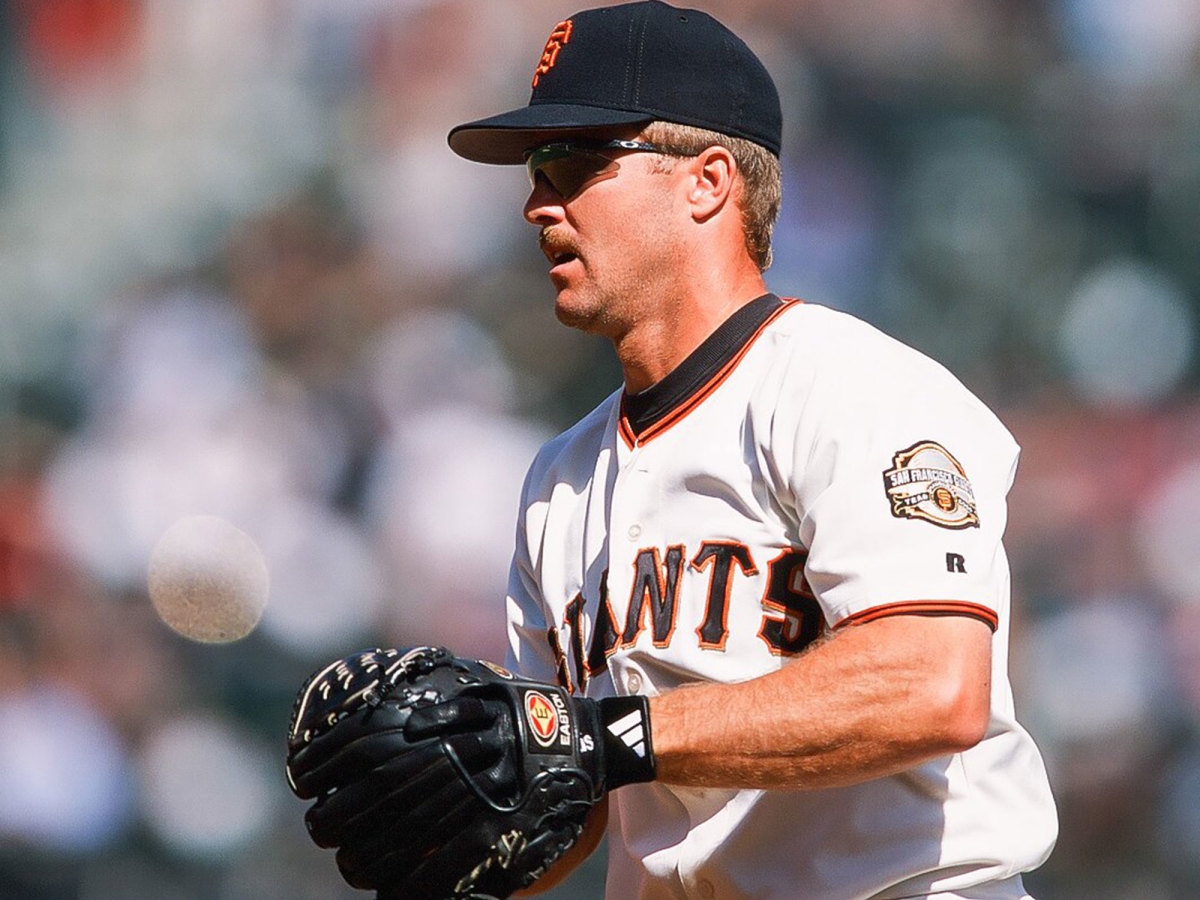



When the San Francisco Giants traded for Jeff Kent before the 1997 season, sending franchise legend Matt Williams to Cleveland, the reaction from local fans was mostly mixed. Until then, Kent had a decent but uninspiring tenure as a regular infielder for Toronto, New York, and Cleveland, showing occasional power but never seeming like a superstar. Few could have foreseen that moving to the West Coast would dramatically change his career, turning an underestimated journeyman into the leading power-hitting second baseman of his generation.
The move to San Francisco immediately elevated Kent's offensive performance to a new level of power. Placed at the core of Dusty Baker’s batting lineup, he set a standard for consistent elite run production, surpassing his National League peers. He achieved an impressive streak, hitting at least 23 home runs and totaling 101 or more RBIs in all six seasons with the Giants—highlighted by a 128-RBI season in 1998 and a career-best 37 home runs in 2002, during their pennant run.
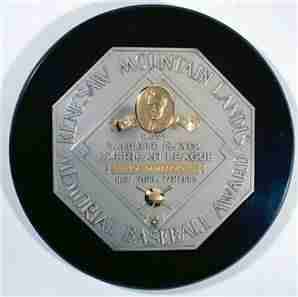
Kent reached the peak of his individual greatness during the remarkable 2000 season, when he produced a standout performance on the field. He hit an impressive .334 with 33 home runs and 125 RBIs, vital in sustaining the Giants’ offense during crucial moments and securing the National League West championship. In an unexpected development, baseball writers honored his clutch efforts by awarding him the National League Most Valuable Player Award, surpassing his teammate Barry Bonds—a historic achievement that confirmed Kent's position as an elite, top-tier superstar.
The shared MVP race highlighted the complex and volatile nature of the San Francisco clubhouse during that time. Kent and Bonds had a notably cold relationship that sometimes erupted into public, physical disputes in the dugout. Despite this personal tension, both stars maintained professionalism on the field, creating one of the most formidable middle-of-the-order duos in baseball history, constantly challenging opposing pitchers to choose their approach.
Although some old-school purists occasionally criticized his glove, Kent strengthened his defense enough to stay a reliable presence on the infield, earning three straight All-Star selections and three Silver Slugger Awards while with the Giants. The inevitable departure came after the 2002 World Series; with his contract up and tensions lingering from a spring training wrist injury, Kent left for the Houston Astros as a free agent. He exited San Francisco with a career total of 1,021 hits, 175 home runs, and an impressive .903 OPS over 915 games.
He was inducted as the only member into the San Francisco Giants Wall of Fame in August 2009. His career reached its peak when the Contemporary Baseball Era Committee elected Jeff Kent to the Hall of Fame and the Giants retired his number 21 jersey, cementing his legacy.

Comments powered by CComment