
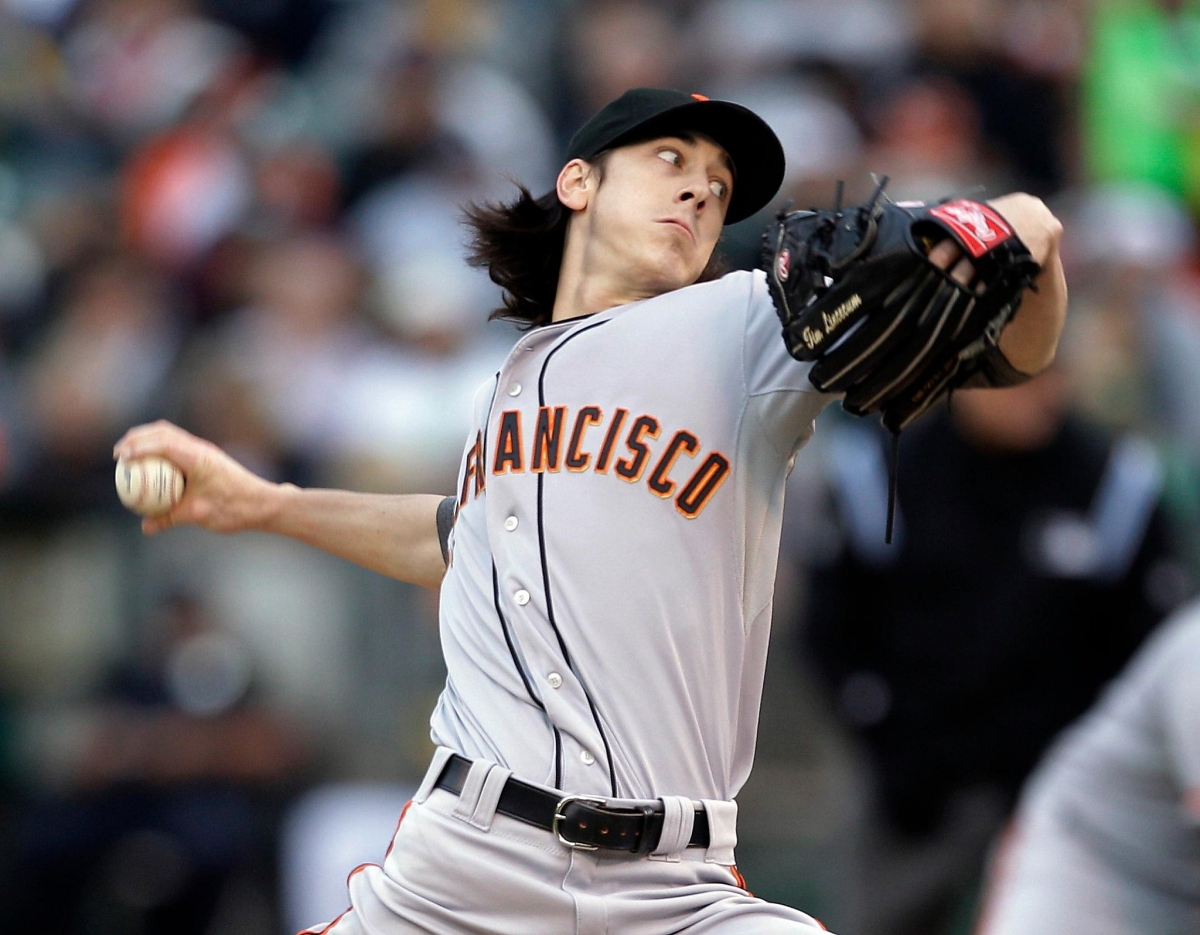



Standing at just 5'11" and weighing 170 pounds, Tim Lincecum appeared more like a finesse pitcher with light throws than a dominant power arm. However, the San Francisco Giants saw exceptional talent, choosing him with the tenth overall pick in the 2006 draft, recognizing him as a Golden Spikes Award winner. His delivery was explosive and high-leverage, with a large stride and vigorous hip rotation. After only one summer in the minors, he burst into the major leagues, earning the nickname "The Freak.” His rise sparked a peak of dominance that reshaped the franchise's identity.
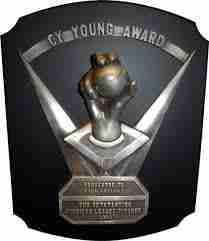
Debuting in 2007, Lincecum emerged prominently the subsequent year. He established a routine of overpowering elite batters with 98 mph fastballs and executing a formidable, tumbling split-changeup. He methodically dismantled National League lineups, concluding the season with an impressive 18–5 record and a 2.62 ERA. That summer, he captured his very first career National League Cy Young Award while pacing the senior circuit in strikeouts (265), FIP (2.62), hits per nine innings (7.2), and strikeouts per nine innings (10.5).
Far from a transient anomaly within a single season, he advanced into an exceptionally exclusive neighborhood by securing a consecutive Cy Young Award in 2009. He demonstrated an exemplary performance in run prevention, concluding the season with a record of 15–7 and a career-best 2.48 ERA, while also leading Major League Baseball with an exceptional 2.34 FIP and accumulating a league-high total of 261 strikeouts over 225.1 innings.
His collective peak reached its absolute emotional pinnacle during the remarkable autumn of 2010. Following his attainment of a third consecutive All-Star selection and a third consecutive strikeout title during the regular season, Lincecum served as the primary postseason ace. He notably outperformed Roy Halladay in the National League Championship Series before decisively defeating the Texas Rangers in the World Series, securing two victories—including an outstanding performance with eight strikeouts in the decisive Game 5—and thereby capturing the franchise's first World Series championship since relocating to San Francisco.
To provide an equitable assessment, it is necessary to acknowledge the abrupt physical deterioration that ultimately disrupted his journey to Cooperstown. His distinctive, torque-intensive mechanics exerted considerable strain on his lower extremities, causing his exceptional physical leverage to vanish with startling rapidity. After a final All-Star appearance in 2011, his statistics commenced a decline over successive summers, attributable to persistent hip and shoulder problems.
Although his days as a frontline starter were over, his competitive drive remained essential to the ongoing dynasty; he seamlessly transitioned to a high-leverage relief role during the 2012 postseason, pitching 13.0 exemplary innings out of the bullpen to assist in securing a second championship ring.
Though his active participation was minimal during the 2014 world title run and his career officially fizzled out following a brief cameo with the Los Angeles Angels in 2016, his short-term peak remains completely unassailable.
Lincecum walked away from the Bay Area mound, leaving behind a highly concentrated statistical foundation that tells the story of a shooting star. Across his nine seasons strictly representing San Francisco, he compiled a 108–89 record alongside 1,704 strikeouts and a 3.61 ERA over 1,643.2 innings of work. He remains the only two-time Cy Young winner in franchise history.

Comments powered by CComment