
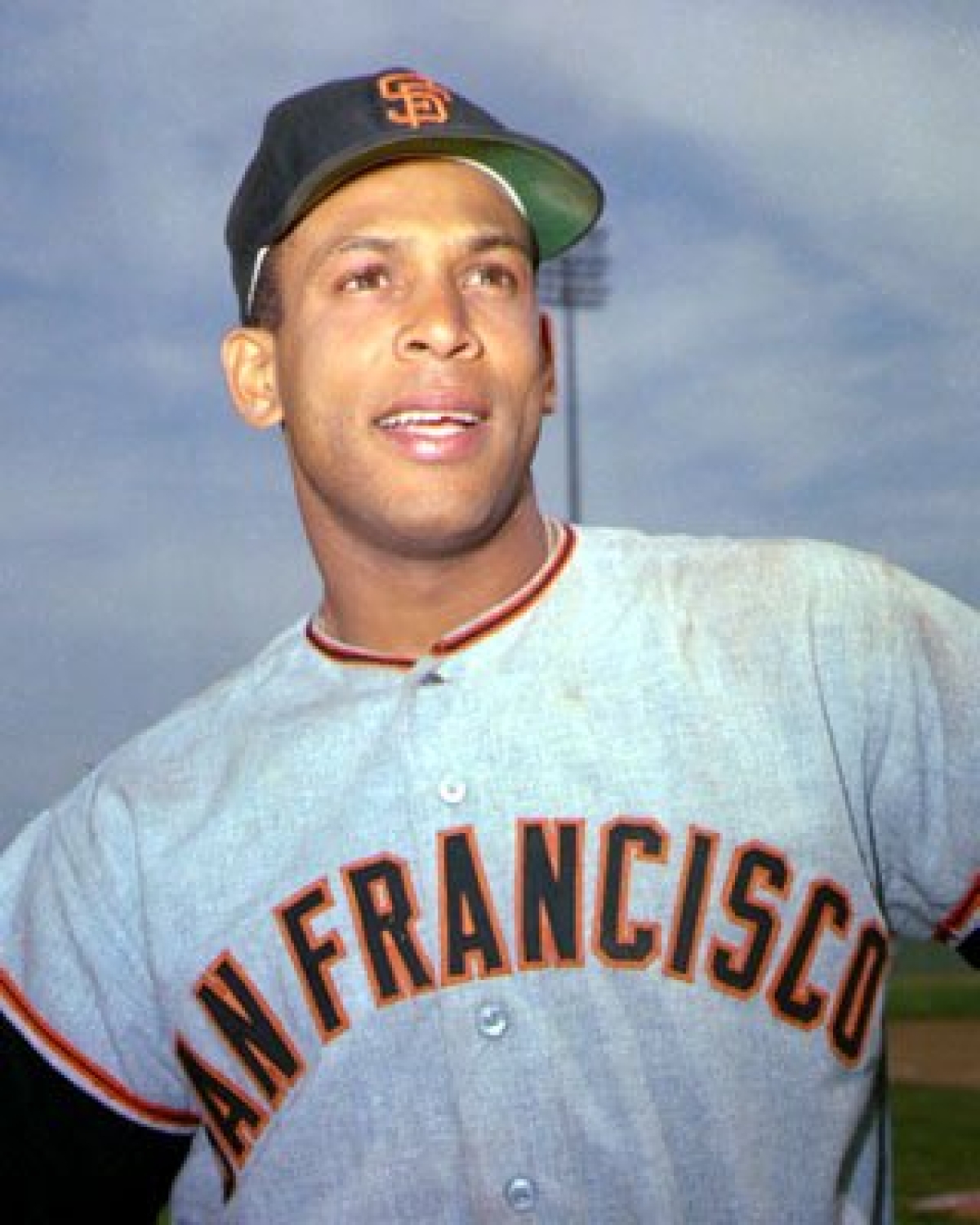


When mapping out the historical landscape of modern baseball, certain players act as monumental bridge figures, carrying the very identity of the sport across geographic and cultural borders. The mid-20th century marked a spectacular globalization of the major leagues, and at the absolute vanguard of that movement was a thunderous, incredibly charismatic young slugger from Ponce, Puerto Rico. When the Giants packing up their bags to abandon New York and establish a brand-new empire on the West Coast ahead of the 1958 calendar, they didn't just bring over established legends like Willie Mays; they introduced San Francisco to its very first homegrown West Coast icon. Universally celebrated as "The Baby Bull," Orlando Manuel Cepeda Pennes did not simply acclimate to the big leagues; he exploded onto the California grass to become one of the first true Caribbean superstars in baseball history.
His impressive 1958 debut immediately set a strong foundation for his reputation as a powerful hitter in the middle of the lineup. Cepeda made a habit of facing top-notch senior circuit pitchers with determination, delivering performances that deeply resonated with fans in the Bay Area. He consistently outplayed National League pitchers, batting an impressive .312, leading the league with 38 doubles, and also hitting 25 home runs with 96 RBIs. His outstanding achievements earned him the unanimous title of National League Rookie of the Year, confirming his rising status as a star in the league.
Cepeda sustained a dynamic baseline, starting a six-summer All-Star streak. He was a consistent offensive force, hitting over .300 six times in San Francisco.
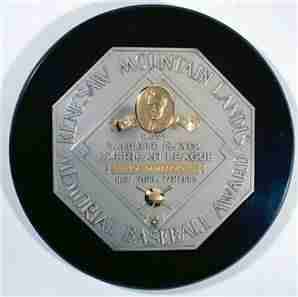
The peak of his hardware-certified legacy was demonstrated during an exceptional 1961 regular-season campaign. That summer, The Baby Bull delivered an outstanding display of power, systematically hitting baseballs with remarkable force to lead the National League with a career-high of 46 home runs and 142 runs batted in, while maintaining an impressive .311 batting average. He was also the runner-up for the MVP.
Ahead of the 1964 campaign, Cepeda suffered a devastating knee injury during winter ball in Puerto Rico. Driven by an unyielding competitive fire, he powered through excruciating, constant pain to still hit 31 homers that summer, hidden so well that local fans had zero idea their first baseman was playing on a compromised lower half.
However, the accumulated damage triggered a catastrophic performance leak in 1965. The knee completely collapsed, stripping away his lower-body leverage and restricting him to just 33 games, where his metrics plummeted to a highly ineffective .176 average with a solitary home run.
By the time he returned to the active lineup ahead of the 1966 schedule, the internal relationship had reached a severe turning point. Haunted by persistent concerns regarding his defensive lateral movement and a highly publicized clash with manager Herman Franks, the front office initiated a definitive business exit in May. They executed a stunning, lopsided trade that shipped their former icon to the St. Louis Cardinals in exchange for pitcher Ray Sadecki. While the trade initially drew immense local skepticism, it beautifully unlocked a second prime for Cepeda on the Midwest turf, where he would instantly parlay his fresh start into a unanimous 1967 National League MVP crown and a World Series championship ring.
As a Giant, Cepeda had 1,286 hits, 226 home runs, 767 RBIs, and a .308/.352/.535 slash line. Cepeda entered the Baseball Hall of Fame as a Veteran's Committee entrant in 1999, and San Francisco responded that year by retiring his number 30. He was also part of the Giants’ first Wall of Fame group in 2008.

Comments powered by CComment