
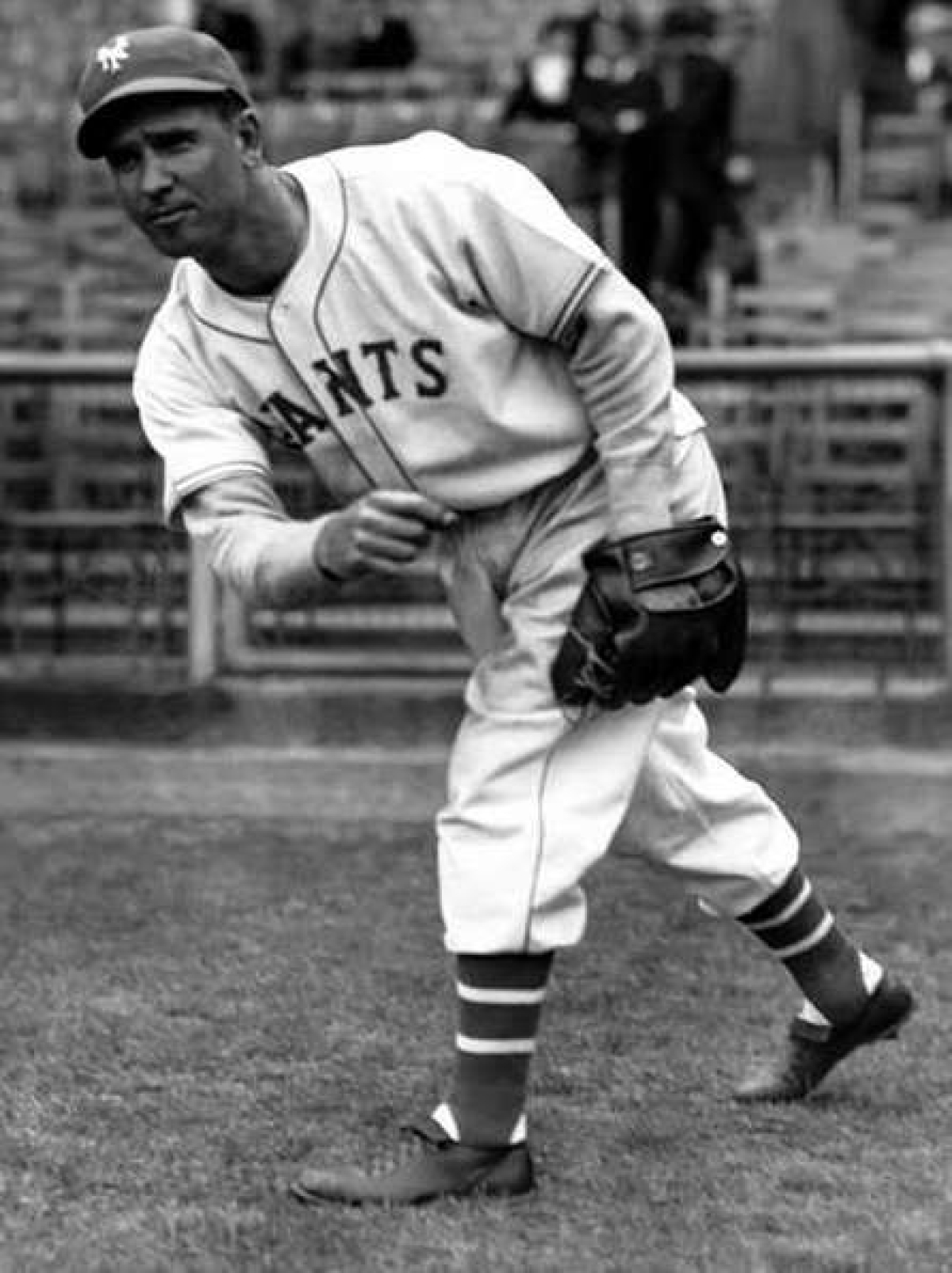



Evaluating the dynamic defensive architecture of the early 20th-century New York Giants necessitates immersing oneself in a historical context akin to a sensory time capsule. During this period, infielders played on rocky and unpredictable dirt surfaces, utilizing gloves that were no thicker than winter mittens. Travis Calvin Jackson not only endured this challenging environment but also excelled within it, displaying a predatory athletic instinct that fundamentally redefined the shortstop position of his era. Selected by manager John McGraw to succeed the legendary Dave Bancroft in 1924, this graceful and highly reliable native of Arkansas commenced a distinguished 15-season career, exclusively representing a single uniform. He transformed the left side of the Manhattan infield into a formidable stronghold, where opposing offensive rallies consistently proved futile.
His introduction to the everyday lineup was a real eye-opener in visual precision and formidable defense. Blessed with an incredible arm that could easily gun down runners from deep left-field, Jackson made defensive steals a regular part of his game. He patrolled the diamond with such confidence that local sports writers and opposing baserunners often called him "Stonewall"—a fitting nickname that highlights his amazing ability to completely stop and control fast ground balls. His detailed stats tell a remarkable story: he led all National League position players in defensive bWAR in three different years (1926, 1928, and 1929) and was just behind the leaders in three more, proving he was truly one of the best defenders of his time.
However, while many modern defensive specialists were known for being easier at the plate, Jackson truly changed the game by becoming a powerful offensive force in the middle of the lineup. He consistently dominated Senior Circuit pitching, shining through six seasons with a batting average well above .300.
The peak of his physical development was exemplified during an outstanding performance in the 1929 regular season. Jackson exerted complete control over the pitcher, achieving a career-high of 21 home runs, delivering 162 hits, and driving in 94 runs, all while maintaining a respectable batting average of .294. Five summers later, in the 1934 season, he demonstrated his offensive prowess by hitting 16 home runs and recording a career-high 101 runs batted in, earning a well-deserved selection to the All-Star Game.
His exceptional combination of defensive skill and offensive power earned him widespread national admiration, securing four top-ten finishes in the National League MVP voting. More crucially, his consistent performance directly contributed to historic team achievements, guiding the Giants to four National League pennants in three decades (1923, 1924, 1933, and 1936). His finest hour under the bright lights erupted during the 1933 World Series against Washington; battling through a late-career wave of knee injuries, the veteran captain hit a highly clutch .250, handled 24 errorless chances in the field, and masterfully directed the infield defense to capture the ultimate world-championship crown.
The toll of throwing himself onto hard dirt led to injury, causing a decline in performance. Illnesses like influenza, appendicitis, and knee issues reduced his range, making him slide to third base late in his career to let younger players shine. After a defense-focused role in the 1936 pennant run, he retired at age 32, ending his active career.
Jackson left a monumental career in Upper Manhattan with 1,768 hits, 291 doubles, 135 homers, 929 RBIs, and a .291 average over 1,656 games. The Veterans Committee inducted Travis "Stonewall" Jackson into the Hall of Fame in 1982.

Comments powered by CComment