
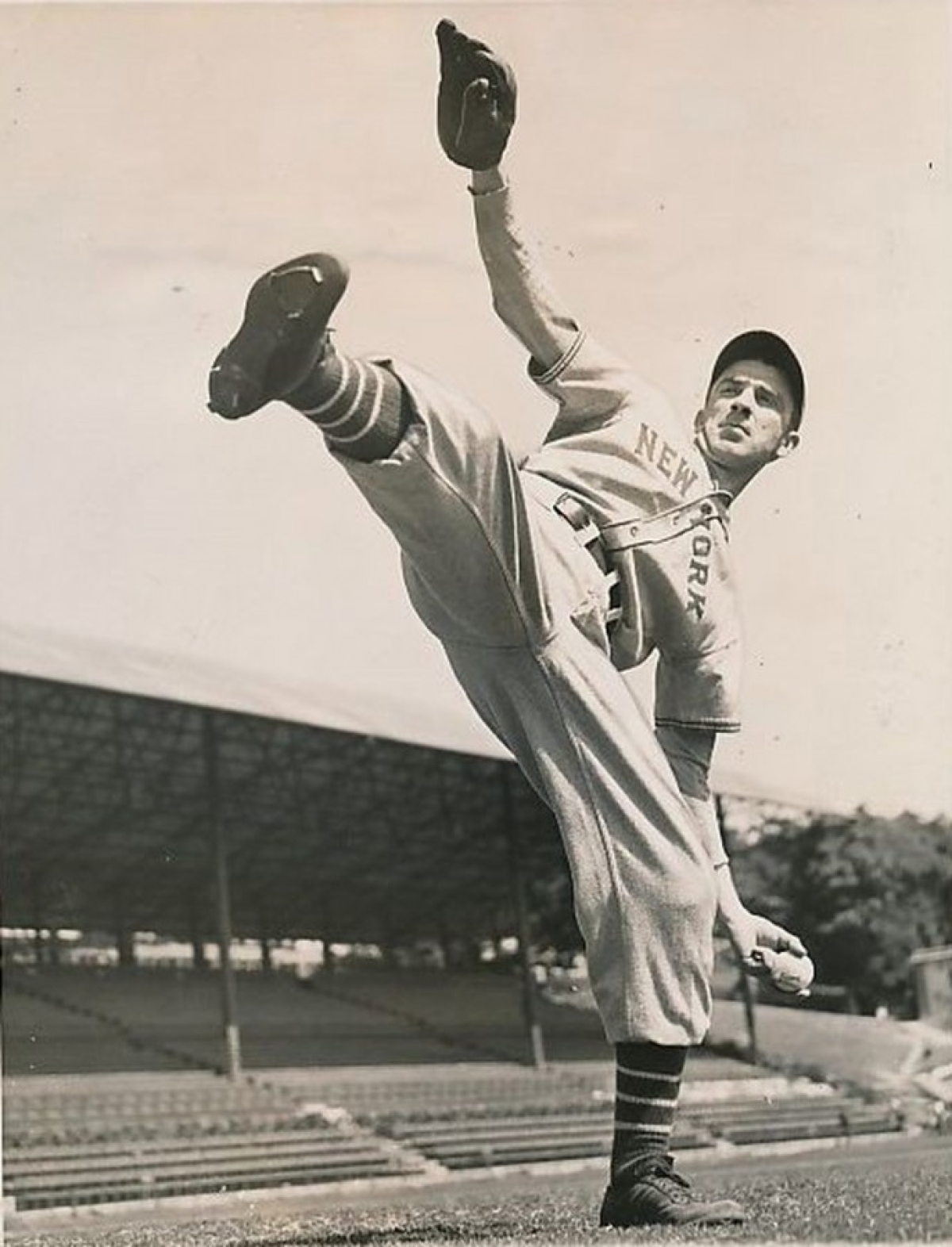



While the blueprint of a major league developmental system aims to cultivate top talent, the Detroit Tigers made a highly shortsighted decision by severing ties with Carl Owen Hubbell. Concerned that the young left-hander relied too much on an unusual, high-stress pitch called the screwball, Detroit's farm directors explicitly ordered him to stop throwing it, fearing the mechanical torque could break his arm. This was a significant mistake. After being acquired by the New York Giants from Beaumont of the Texas League in mid-1928, Hubbell didn’t abandon the pitch; instead, he perfected it with precise, low-variability execution. This transformed him into a masterful pitcher known for his durability in late innings and as a starter, using the devastating reverse-breaking action to confound many top hitters.
His integration into the Manhattan rotation yielded immediate dividends, but Hubbell truly established his national profile as a premier control wizard at the dawn of the 1930s. He turned baseline efficiency into a strict, daily regular-season routine, launching a spectacular four-year streak atop the National League WHIP leaderboards in 1931 and a concurrent four-year run as the league leader in strikeout-to-walk ratio starting in 1932.
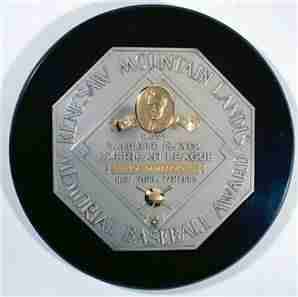
His rapid ascension to the top of the sport reached its absolute evolutionary zenith during a breathtaking 1933 regular-season masterpiece. Hubbell systematically paralyzed National League batters, pacing the league with 23 victories and a microscopic career-best 1.66 ERA. Advanced efficiency filters heavily validated his dominant peak, as he led the league in FIP (2.63) and posted a mind-bending 0.98 WHIP—the only time in his career he dipped below the coveted 1.00 threshold. Naturally, his elite playmaking earned him the National League Most Valuable Player Award while anchoring a postseason run that culminated in a World Series championship.
Despite his many awards during the regular season, Hubbell achieved lasting fame during a single exhibition on July 10, 1934. During the second annual All-Star Game at the Polo Grounds, he faced an early jam with two runners on base. This event is celebrated as one of the greatest defensive moments in All-Star history. Using his signature screwball, he struck out five future Hall of Famers in a row: Babe Ruth, Lou Gehrig, Jimmie Foxx, Al Simmons, and Joe Cronin. This remarkable performance demonstrated his dominance and secured his legacy as the ultimate big-game pitcher.
"The Meal Ticket" maintained his elite run-prevention skills through the mid-1930s. In 1934, he earned his second National League ERA title with a .230 average, and in 1936, he claimed a third with an impressive 2.31 ERA. His 1936 season was another remarkable outlier, as he won his second Most Valuable Player Award with a 26–6 record. That summer, Hubbell started a historic, high-velocity winning streak that extended into the following year, achieving an extraordinary 24 straight decisions without a loss, a Major League record that remains unbroken today.
His unyielding arm carried the Giants to back-to-back National League championship pennants in 1936 and 1937, though the club would ultimately finish as frustrated casualties both times against a powerhouse cross-town New York Yankees juggernaut.
Sadly, the intense physical strain from twisting his elbow to deliver thousands of screwballs took a toll on his body, visibly deforming his arm and reducing his speed. After the 1937 pennant race, his dominance declined, but his keen spatial awareness and pitching intelligence kept him a reliable, above-average starter for four more seasons.
When his overall output finally fell off a cliff during an injury-hampered 1943 campaign, the organization officially signaled a structural transition, drawing the curtain on his legendary playing residency.
He walked away from the mound having compiled a monumental, volume-dense baseline that reads like fiction today: a 253–154 record, a brilliant 2.98 lifetime ERA, 3,590.1 grueling innings pitched, and 1,677 strikeouts across 535 games.
Hubbell was inducted into the Baseball Hall of Fame in 1947. San Francisco also retired his number 44, having done so in 1941.

Comments powered by CComment