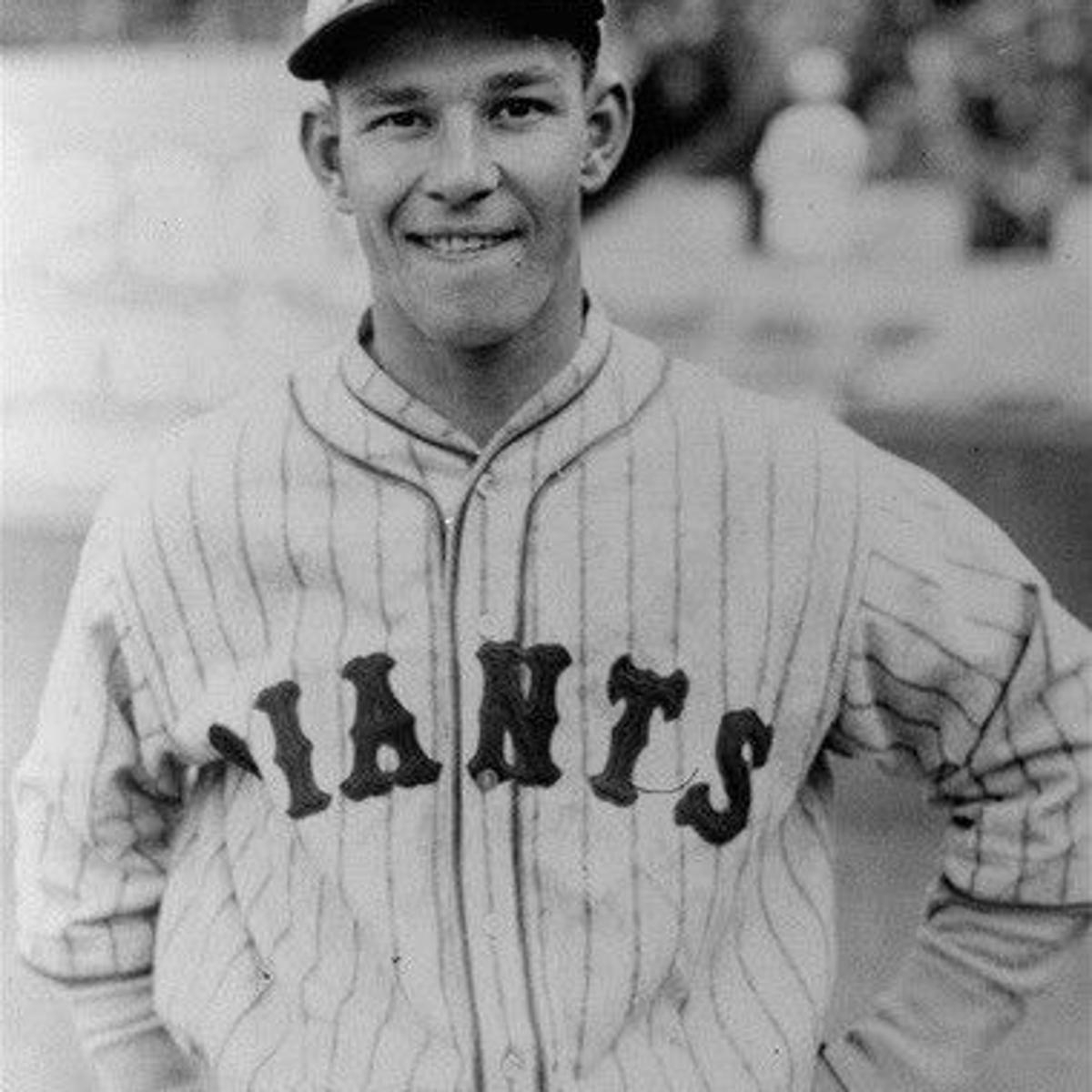
The typical scouting profile for a top-tier major league power hitter in the 1920s called for a large, muscular physique. However, Melvin Thomas Ott, standing only 5 feet 9 inches with a modest build, was overlooked by many talent evaluators. The New York Giants, defying common standards, saw his potential. Legendary manager John McGraw noticed Ott's powerful hip rotation and signed him as a raw 17-year-old in 1926. McGraw kept Ott close, skipping the minor leagues to protect his unique left-handed swing from being altered by farm directors. Ott’s unconventional front-foot lift and perfect timing allowed him to break all age records, earning a full-time starting spot by 1928 and making organizations that passed on him regret their hesitation.
Although he lacked the typical size of a slugger, he optimized his mechanics to produce extraordinary raw power. In 1929, Ott delivered a remarkable season, setting a career high with 42 home runs and 151 RBIs at age 20, a standout achievement largely benefiting from the short right-field porch at the Polo Grounds.
He never surpassed the 40-homer mark again in a single season, but his steady performance kept the lineup strong for almost twenty years. He hit at least 30 home runs in seven consecutive seasons, six of which were impressive enough to lead the National League.
During the 1930s, no Senior Circuit baseball player hit more home runs than "Master Melvin," turning right field into his personal playground. His offensive prowess was a key driver of a successful Giants era, as New York won the National League pennant three times in that decade, with Ott leading the team to a world championship in 1933. In that five-game World Series victory over Washington, he put on a clinical hitting showcase, batting a brilliant .389 and launching the series-clinching home run deep into the center-field bleachers in the top of the 10th inning of Game 5.
Ott was not just a typical three-outcome slugger; he had a perfect, intuitive eye at the plate. Over his career, he finished ten seasons with a batting average above .300. He consistently compelled pitchers to pitch carefully, leading the National League in walks six times and earning four titles for highest on-base percentage.
When Major League Baseball introduced the All-Star Game in 1933, Ott quickly became a prominent figure nationally, receiving an invitation to the second annual midsummer classic in 1934. This marked the beginning of an impressive streak of 11 straight All-Star selections. As a two-time league leader in slugging percentage and total OPS, his sustained excellence at the top of the sport was further demonstrated during the later years of his career.
During World War II, as major league rosters shrank due to the draft, Ott was not called to active duty. Instead, he stayed in Manhattan, becoming a steady, low-variance anchor and taking on extra responsibilities when named player-manager in 1942. Even while managing the club's daily tactical execution, his bat remained a potent threat; he captured his final National League home run title at age 33 by mashing 30 long balls in 1942.
Age caught up to Ott, whose playing career ended after the 1947 season. Over his career, Ott blasted 511 Home Runs and had 1,860 RBI, 2,876 hits, and a 3/4/5 career Slash Line.
In 1951, Ott entered Cooperstown in his third year on the ballot, three years after the Giants retired his #4.
Comments powered by CComment