
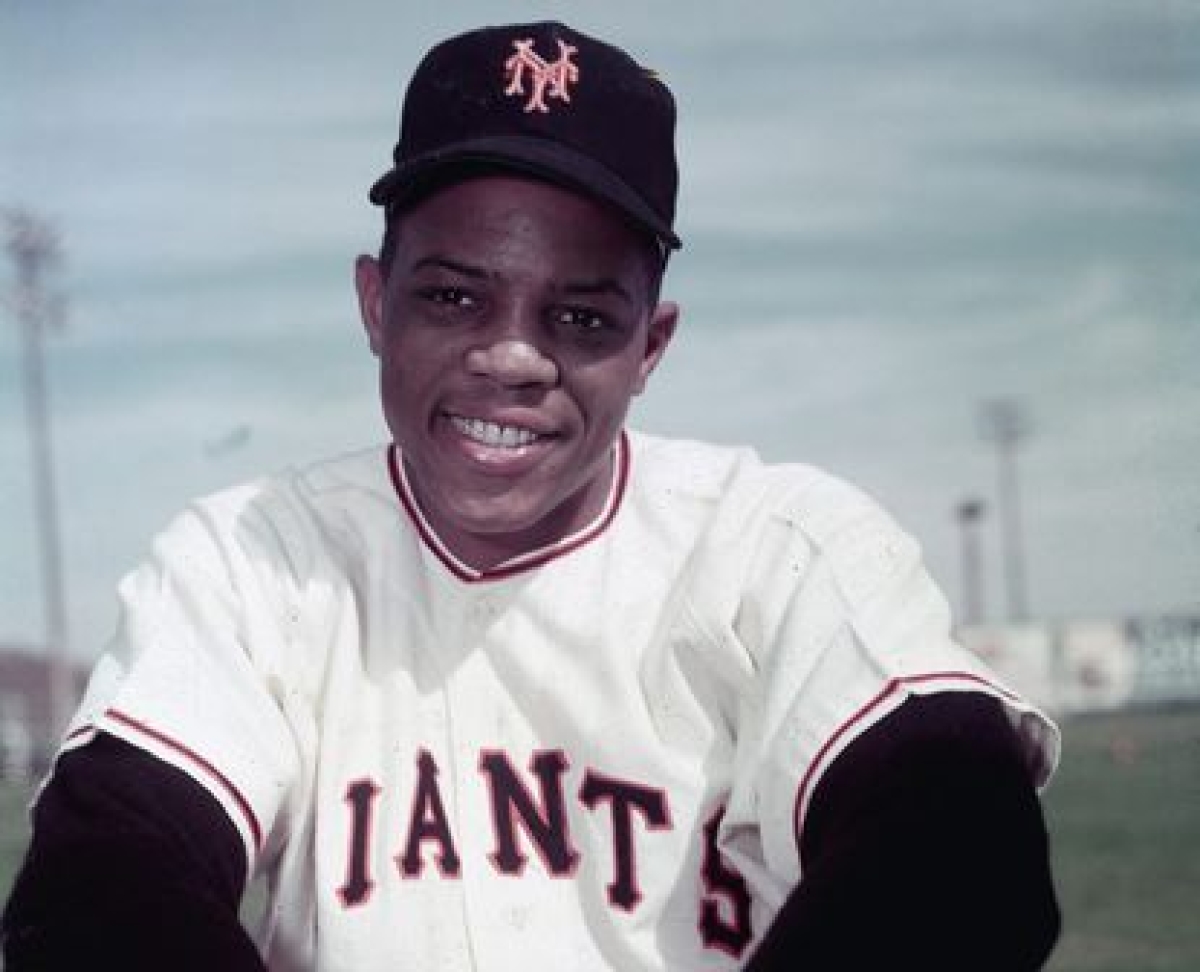





In discussions concerning the highest attainable level of human athletic achievement, baseball analysts often categorize performance into five distinct tools: batting for average, power hitting, speed on the bases, defensive glove work, and arm strength. While numerous distinguished players excel in two or three of these areas, Willie Mays not only possessed all five attributes but also demonstrated them with transcendent, high-velocity artistry that permanently expanded the boundaries of what is considered possible in the sport. Prior to donning the renowned black-and-orange uniform, the young prodigy from Alabama spent two foundational seasons with the Birmingham Black Barons of the Negro American League, showcasing a remarkable raw skill set that compelled Major League scouts to contact their offices urgently. When the New York Giants ultimately secured his contract, they did more than acquire an elite center fielder; they gained the
From the moment he made his major league debut in 1951, Mays served as a pivotal catalyst for team success. Entering the major leagues as a charismatic twenty-year-old, he transformed simple batting performance into an extraordinary display, inspiring a legendary team spirit that notably rallied from a significant 13.5-game deficit in August to secure the National League pennant. While his batting average was a modest .274 with 20 home runs, his remarkable defensive range and relentless energy earned him the National League Rookie of the Year accolade. Just as his career was ascending rapidly, he was called to serve; military obligations in the U.S. Army caused him to miss nearly the entire 1952 and 1953 seasons. Nevertheless, rather than allowing this enforced hiatus to impede his progress, his return to active duty in 1954 marked a vigorous and multifaceted resurgence in the sport.
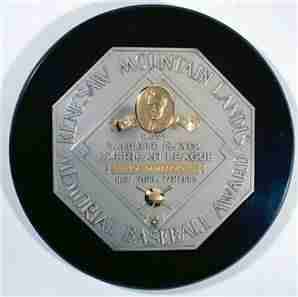
The 1954 campaign exemplifies a definitive mastery in individual performance and postseason execution. Leading the lineup with substantial authority, Mays secured the National League batting title with an impressive .345 average and hit 41 home runs, earning his first career Most Valuable Player Award. In Game 1 of the 1954 World Series against the Cleveland Indians, he achieved a moment of lasting significance by sprinting into the expansive center field of the Polo Grounds to make "The Catch"—a remarkable over-the-shoulder basket catch of a Vic Wertz drive that remains one of the most iconic defensive plays in the history of baseball.
His exceptional playmaking abilities contributed significantly to the Giants' historic sweep and their subsequent triumph in the World Series. Although this remained his solitary championship ring, his absolute peak was only just beginning.
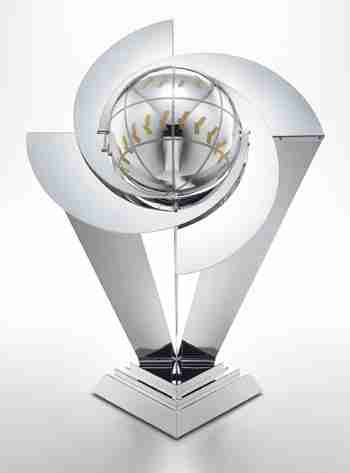
That spectacular 1954 showcase launched an unyielding, 20-year run of dominance that made him a regular-season routine at the midsummer classic, earning an astonishing 24 All-Star selections through the 1971 season. At the plate, Mays possessed a telepathic eye for the strike zone and a thunderous right-handed swing, batting north of the .300 threshold nine separate times.
He declined to relinquish at-bats, utilizing his exceptional perception to draw walks at an extraordinary rate and surpassing the esteemed .400 on-base percentage threshold five times, while also securing two National League OBP efficiency titles.
As a pure power threat, he stood shoulder-to-shoulder with the greatest sluggers of all time. Mays captured four National League home run titles, blasting an unbelievable 646 of his 660 career home runs while with the Giants.
While a highly volatile RBI crown somehow eluded him due to situational lineup context, he remained the ultimate, high-leverage run producer, eclipsing the 100-RBI plateau ten separate times on his way to driving home 1,909 runs in a Giants uniform.
He brought home his second National League Most Valuable Player Award after a stellar 1965 season in which he hit a career-high 52 home runs. His consistent performance also earned him six more top-five finishes in the MVP voting.
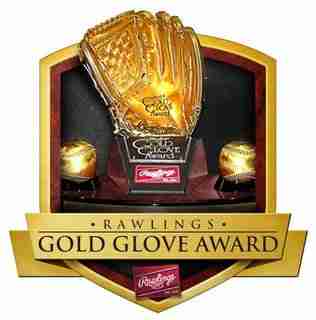
Focusing solely on his offensive leaderboards provides only a partial view. Mays transformed the center field defensive position with a combination of exceptional closing speed, impeccable tracking, and a powerful throwing arm that intimidated opposing third-base coaches. In his extraordinary 1954 season, he led all National League position players in defensive bWAR and ranked in the top ten in seven other seasons, while leading the Senior Circuit in Total Zone Runs three times. Once the Gold Glove Award was introduced in 1957, Mays quickly amassed a record 12 consecutive Gold Gloves through 1968.
Additionally, his rapid and intense acceleration made him a dangerous threat on the basepaths well before the modern emphasis on speed in running games. From 1956 to 1959, he led the National League in stolen bases for four straight seasons, amassing 336 steals while playing for the Giants. He often executed double-steals, which frequently left opposing pitchers and catchers completely shaken.
Whether he was making a barehanded catch, sliding into third base with his cap flying off, or launching a 450-foot rocket into the seats, Mays infused the sport with a joyful, unadulterated passion that made him a beloved icon across two coasts. He served as the franchise’s ultimate structural bridge, guiding the organization through its seismic, landscape-shifting relocation from New York to San Francisco in 1958. As the club adjusted to the brutal, swirling winds of Candlestick Park, Mays remained the unshakable anchor, proving that his elite mechanics could overcome any environment.
Mays was traded to the New York Mets during the 1972 Season, where he unceremoniously ended his career, though he did help them win the 1973 Pennant. He is still the all-time Giants leader in bWAR (154.5), Offensive bWAR (134.8), Runs Scored (2,011), Hits (3,187), and Home Runs (646).
Mays was inducted into the Baseball Hall of Fame in 1979, his first year on the ballot. San Francisco retired his number 24 in 1972 while he was still an active player, and he was later an inaugural member of the Giants’ Wall of Fame in 2008.

Comments powered by CComment