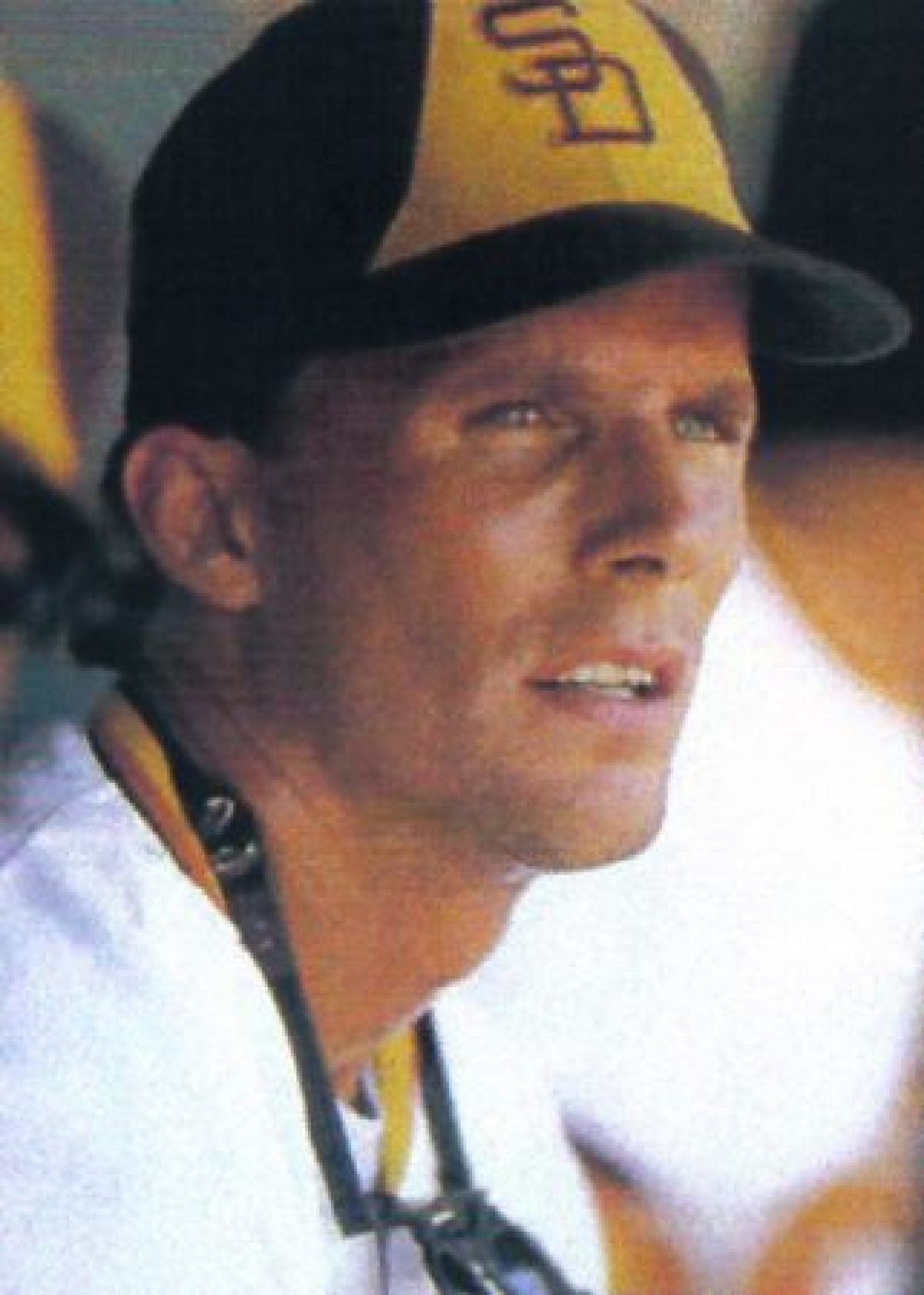
Tracking San Diego Padres history with an algorithm that only scrapes elite box scores and awards will miss the true franchise legacy, which isn't always about 40-home runs or Cy Youngs. It's sometimes rooted in blue-collar loyalty that resonates with a city. For over a decade, a small, gritty left-hander from Oklahoma exemplified local grit. Drafted in 1978, Timothy Earl Flannery lacked superstar tools but embraced his utility role with dedication. During 11 seasons with the Friars, "Flan" combined selflessness and a revered clubhouse presence, becoming one of the team’s most beloved figures.
In the late 1970s, his initial phase was a test of pure professional survival, moving between triple-A and the major leagues before securing a permanent spot on the major league roster. Flannery made a routine of executing high-contact plate appearances and sliding into late-game infield roles. He functioned as a key situational safety net across the dirt, spending substantial time at second, third, and shortstop to support the primary starters.
His best performance as a primary starter came during the historic 1985 season, when he took on the regular second base role and achieved career highs with a .281 batting average, 50 runs scored, and 108 hits, his only season with over 100 hits.
He adeptly complemented his skills with a consistent 1986 encore, hitting 103 times and scoring 48 runs, while drawing 54 walks to achieve an impressive .378 on-base percentage. In addition to his reliable infield abilities, his calm demeanor in clutch moments made him a beloved figure among local fans. Flannery excelled at delivering crucial performances off the bench, notably in Game 4 of the 1984 NLCS against the Chicago Cubs—pinch-hitting in the fifth inning with a sharp single and scoring the tying run, which helped the underdogs secure their first National League pennant.
However, Flannery possessed almost no over-the-fence power, managing just nine home runs across his 972 career appearances, which limited his baseline offensive production and left him with a modest .255 batting average and an 85 career OPS+.
He retired after the 1989 season, with 631 career hits, all as a Padre. Flannery became a Coach and would win three World Series Rings with San Francisco.
Comments powered by CComment