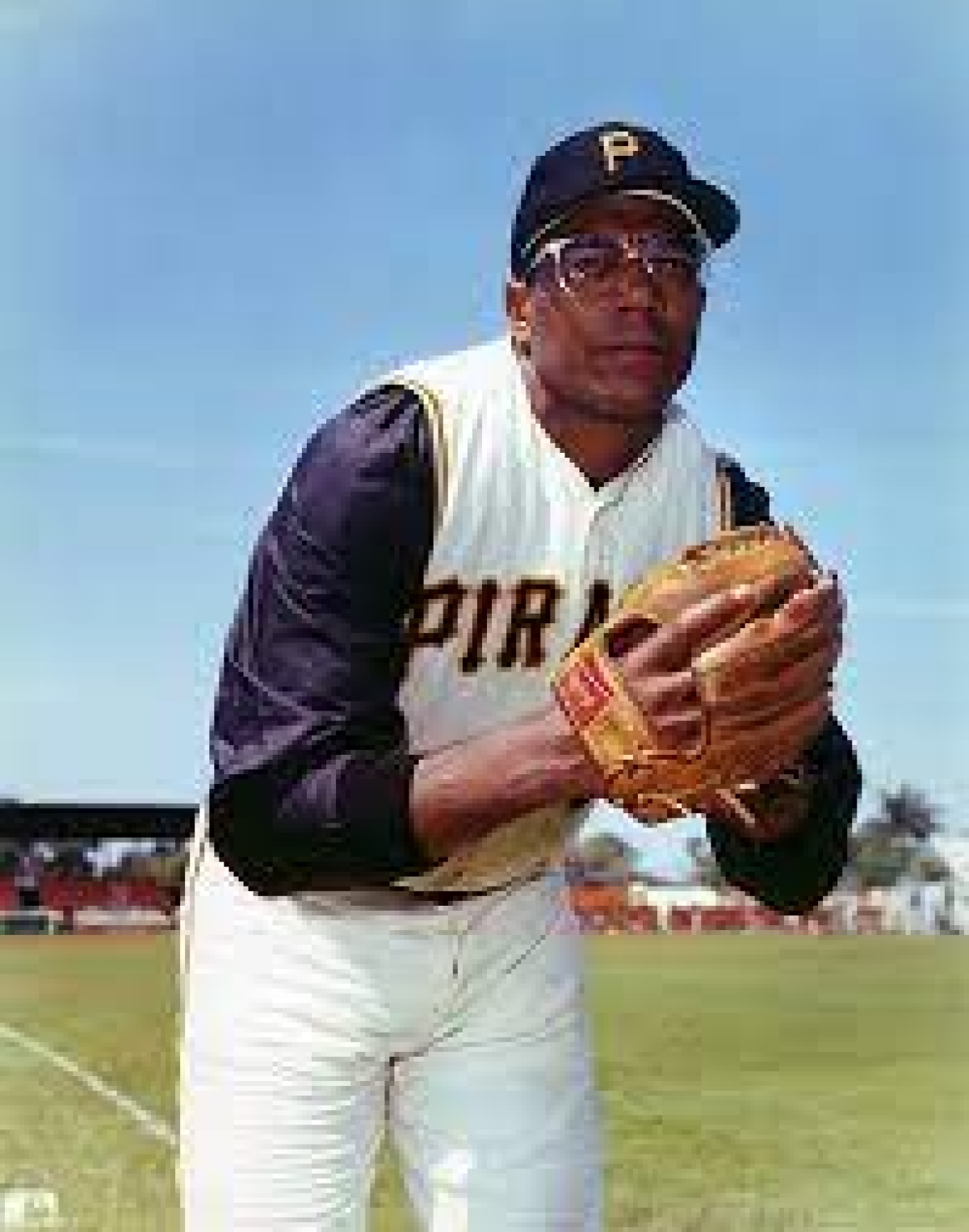
The 1960s are rightly celebrated as a golden age of pitching dominance, marked by legends who intimidated batters through their commanding presence and fast, high-velocity pitches. Bob Veale, a towering 6-foot-6, 230-pound southpaw from Alabama, exemplified this raw physical intimidation. Not only did he throw with formidable power, but his pitches also carried an unpredictable, terrifying movement that visibly unsettled batters. Due to severe Nearsightedness, Veale wore thick-rimmed glasses, which sometimes made it difficult to see the catcher's signs clearly, adding a psychological edge and high-stakes tension for opponents. For seven outstanding years, he was the leading strikeout pitcher in the Pittsburgh rotation.
Veale’s initial appearances were through brief bullpen auditions starting in 1962, but he secured a permanent starting role in 1964. He made a mark with exceptional run prevention and strikeouts, turning that season into a defining one. As a first-time full-time starter, he consistently shut down National League hitters, setting a franchise record with 250 strikeouts and leading the league in punchouts. He finished with an impressive 18–12 record and a low 2.74 ERA, quickly earning recognition as one of the most dominant and unhittable pitchers in the league.
That explosive debut launched a spectacular, volume-dense peak of durability. Veale remained a model of unshakeable consistency for the rest of the decade, rattling off six consecutive summers with at least 200 innings pitched and clearing the 200-strikeout threshold three more times.
His standout individual achievement occurred during the 1965 pennant race, when he used his renowned stamina to pitch a demanding career-high 266 innings, achieve 17 wins, and lead Major League Baseball with 14 complete games. He was selected as an All-Star in both 1965 and 1966, serving as a key figure on the pitching staff alongside young Bob Friend and Vern Law.
However, when evaluated with modern advanced metrics, his overall analytical profile hits a clear ceiling. Despite his strikeout numbers, Veale struggled significantly with command, leading the National League in walks allowed four times. His overly aggressive mound approach often resulted in deep counts, increasing his walk rate and pitch counts. Additionally, as natural aging and shoulder structural issues became apparent around the early 1970s, his raw velocity declined, and he was eventually transitioned to a relief role in the historic 1971 World Championship season.
With his starting days behind him and the club transitioning toward younger arms, the front office officially signaled an exit late in the 1972 schedule, releasing the veteran southpaw so he could latch on with the Boston Red Sox.
Veale had a 116-91 record with 1,652 strikeouts, a 3.06 ERA over 1,894.2 innings as a Pirate.
Comments powered by CComment