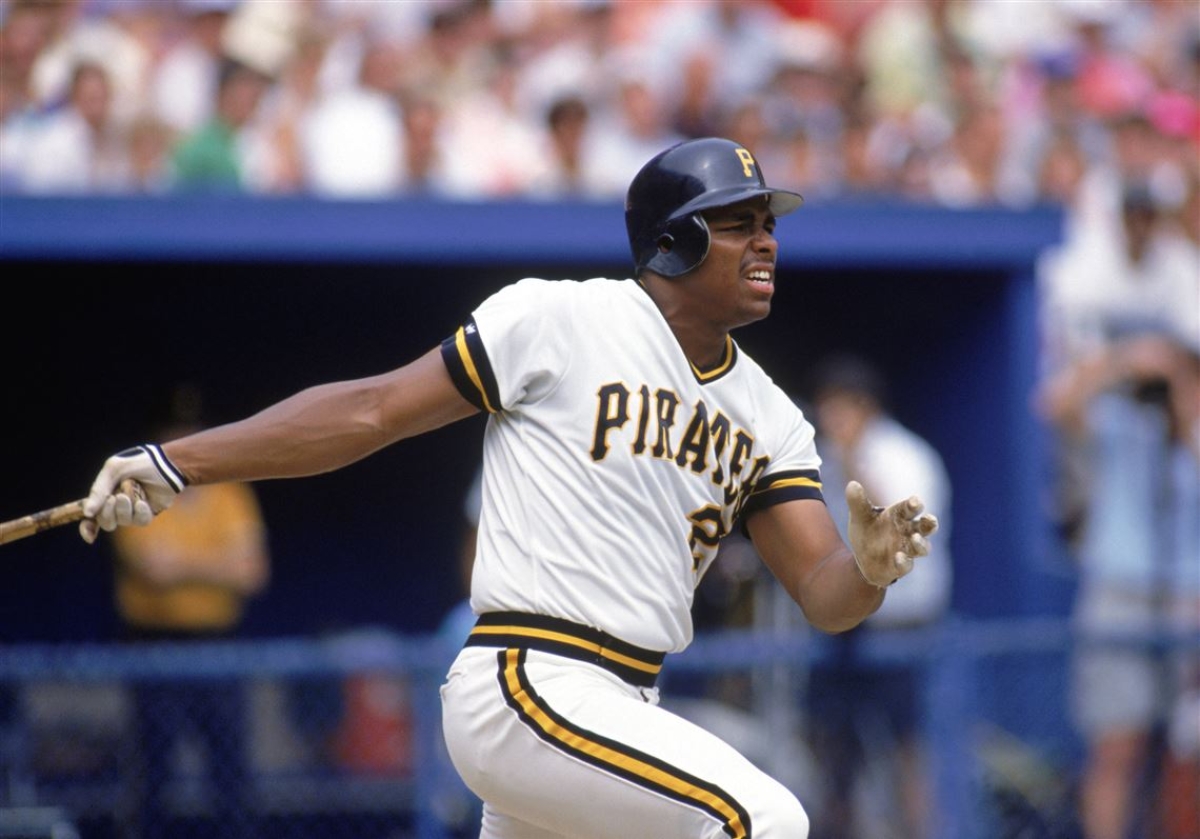
The broader pop-culture lexicon of modern baseball will inevitably associate Robert Anthony Bonilla with the historic deferred-salary contract he signed with the New York Mets, an arrangement that annually prompts headlines surrounding "Bobby Bonilla Day" each July. However, reducing his entire athletic identity to a post-career financial spreadsheet severely underestimates his exceptional on-field performance. Long before becoming a symbol of front-office accounting, the switch-hitting native of the Bronx was among the most physically formidable and explosive run-producers in the sport. Playing under the lights of Three Rivers Stadium, Bonilla employed a powerful bat as a pivotal component of a formidable lineup, leading a distinguished multi-year period of MVP-like excellence that characterized a generation of baseball in Pittsburgh.
His journey to major league stardom followed a unique, circular route. Initially signed by the Pirates as an amateur free agent in 1981, he was then selected by the Chicago White Sox in the 1985 Rule 5 draft. Recognizing their mistake in letting him go, Pittsburgh's front office traded for him in mid-1986, making him a key part of their long-term plans. By the start of the 1987 season, Bonilla had established himself as the regular third baseman, consistently contributing extra-base hits throughout the season.
His large, physical build caused significant defensive challenges at third base, prompting a permanent shift to right field. However, his offensive performance flourished. In 1988, he won his first Silver Slugger award and went on a remarkable streak with four straight All-Star selections from 1988 to 1991. Playing in the outfield alongside Barry Bonds and Andy Van Slyke, Bonilla completed a legendary, high-powered outfield trio that overwhelmed National League pitchers and helped secure consecutive division titles.
During the 1990 pennant race, Bonilla showcased his powerful batting skills, hitting 32 home runs, driving in 120 RBIs, and leading the major leagues with 44 doubles. He earned his second Silver Slugger Award and was the runner-up for the National League MVP, finishing behind only his teammate Bonds in a notable franchise one-two finish.
He replicated that elite, high-leverage efficiency during the 1991 campaign, batting a career-high .302 with 18 home runs and 100 RBIs to secure his third consecutive Silver Slugger and a third-place finish in the MVP balloting.
Tragically, the cold realities of the pre-salary-cap landscape quickly forced a low-variance parting of ways. With his market value reaching an all-time peak and the small-market Pirates facing severe financial limitations, Bonilla officially walked away from town following the 1991 campaign, signing a record-setting free-agent contract with the Mets. While he would celebrate a world title later in his career with Florida, he never quite replicated the raw, sustained offensive dominance that defined his primary residency in PGH.
With Pittsburgh, Bonilla belted 114 home runs with 500 RBI with a .284 batting average.
Comments powered by CComment