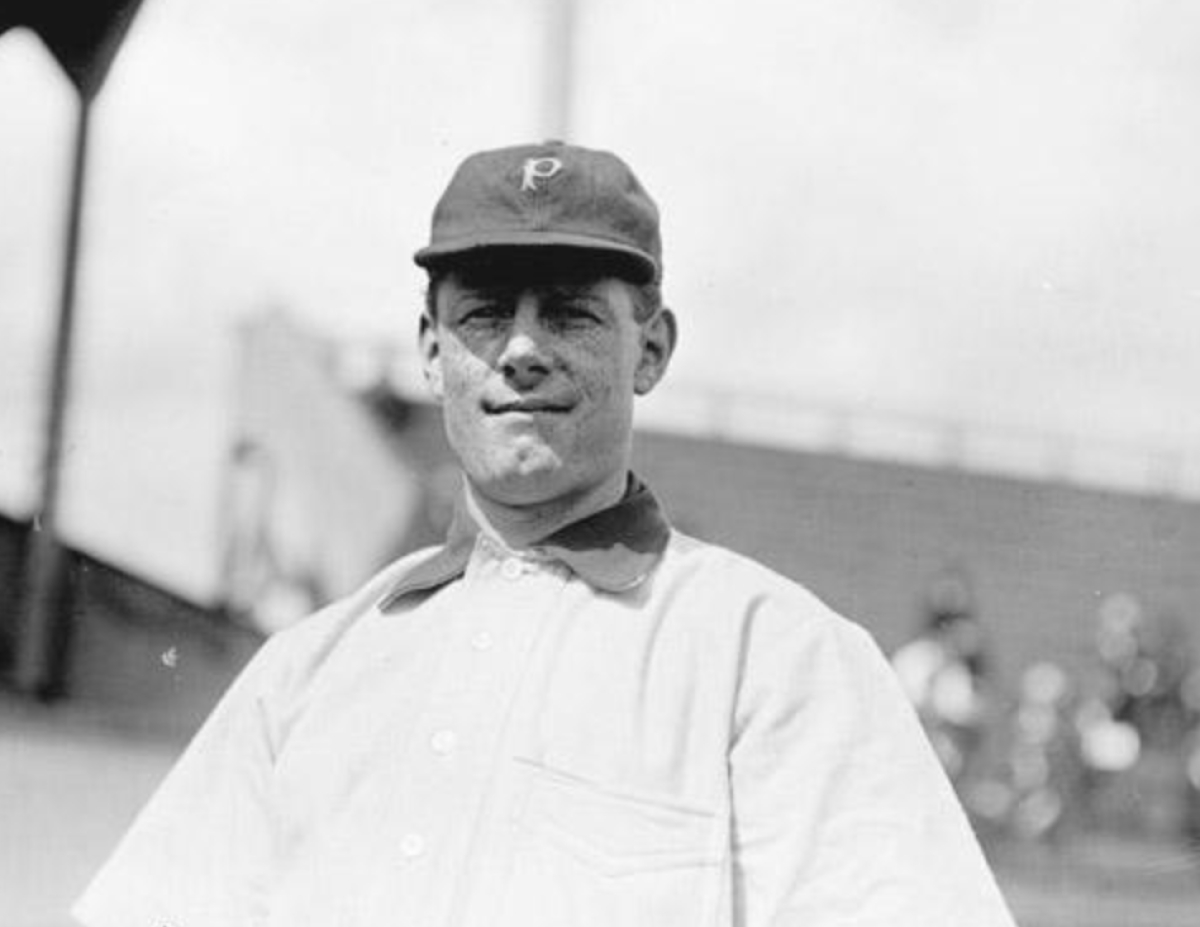
The dawn of 20th-century Western Pennsylvania was defined by Fred Clarke’s aggressive, contact-hitting dynasty, with Clarence Howeth "Ginger" Beaumont at its center. His heavy frame earned him a nickname, but he defied athletic stereotypes using quick first steps and a strong left-handed swing to excel at the top of the order.
His initial appearance during the 1899 campaign is regarded as one of the most remarkable debuts in the extensive history of the organization. As a 24-year-old novice, Beaumont methodically incapacitated National League pitching staffs, achieving an impressive .352 batting average that promptly established his position as a key player. He swiftly transformed accumulating hits into a consistent and reliable offensive contribution, offering a substantial volume of scoring opportunities directly preceding the legendary Honus Wagner.
His quintessential individual peak and superior efficiency metrics converged during a historic three-year period from 1902 to 1904. Beaumont demonstrated exceptional batting prowess, securing the 1902 National League batting title with an impressive .357 average, and establishing a record as the first player in the Senior Circuit to lead the major leagues in total hits for three consecutive summers.
While many modern observers were often misled by his bulky appearance, he was a formidable force on the basepaths, using exceptional speed to steal at least 20 bases across seven different campaigns for the city. His dynamic base-running firmly established his legend during the high-stakes 1903 Fall Classic against Boston. As the fleet-footed center fielder, he stepped up to hit the first pitch in World Series history, helping to elevate Pittsburgh's national profile.
The Pirates traded Beaumont to Boston after his disappointing 1906 Season, but Beaumont proved them wrong by finishing first in hits in 1907. Beaumont, overall as a Pirate, batted .321 with 1,292 hits and 200 stolen bases.
Comments powered by CComment