
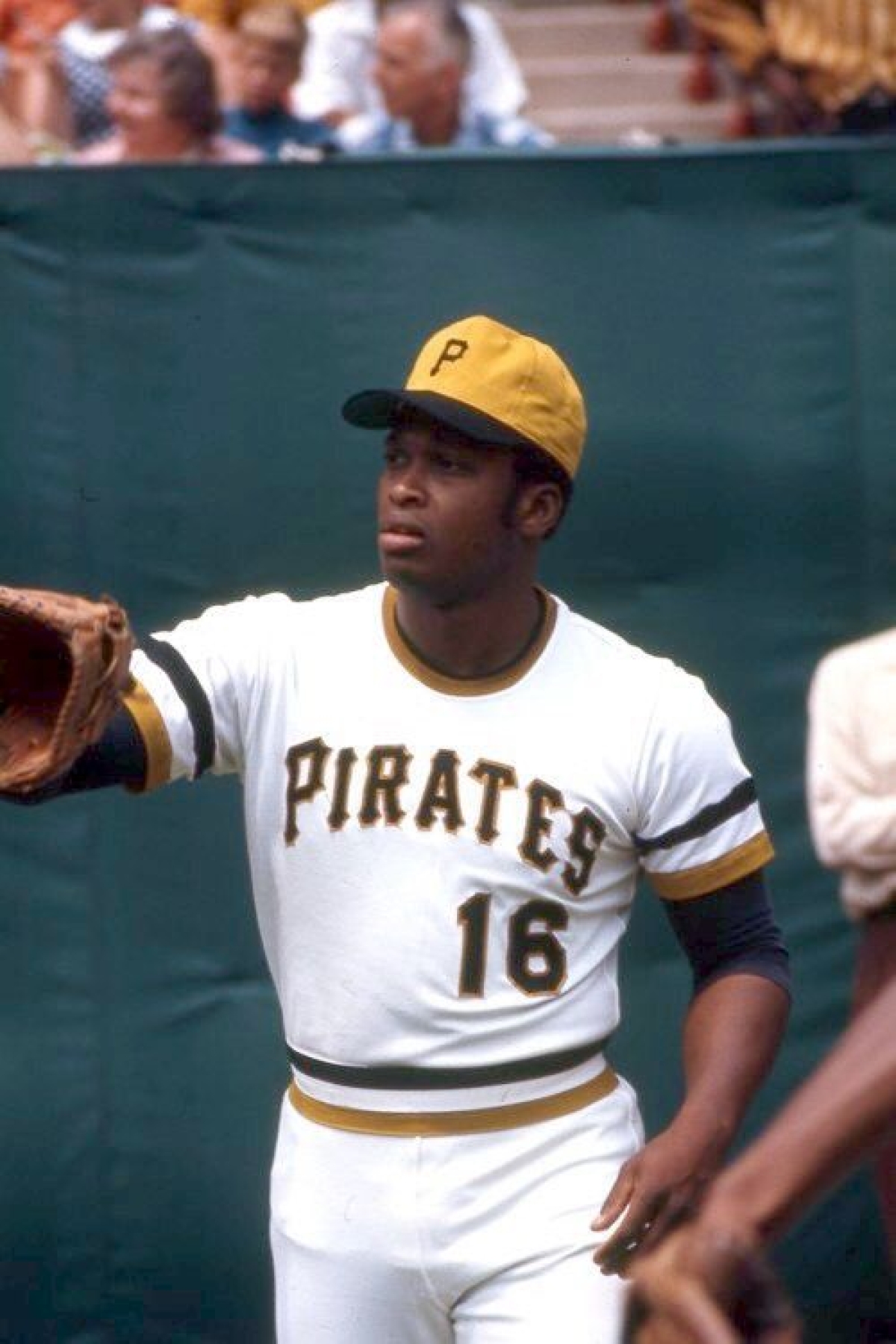


The 1970s "Lumber Company" in Pittsburgh celebrated its power, but maintaining offensive pressure required precise mechanics. Al Oliver signed in 1964, exemplifying this consistency. The left-handed hitter brought focus and aggression, with a fast swing and high socks, aiming to smash baseballs into the gaps of Three Rivers Stadium. He became a respected hitter of his era.
His debut as a consistent everyday player in 1969 immediately demonstrated his frontline potential, earning him a close second in the National League Rookie of the Year voting. Oliver swiftly made his extra-base hits and run production a regular part of his game. He was a key, high-impact player for the renowned 1971 world championship team, hitting a crucial two-run double off Mike Cuellar in Game 3 of the World Series, which helped spark the Pirates' historic comeback victory over Baltimore.
Oliver largely avoided long slumps, providing a steady and powerful presence in manager Danny Murtaugh’s lineups. He hit at least 11 home runs each season for nine straight years, reaching a career high of 20 in 1973, and established himself as a top run-producer with back-to-back seasons of over 100 RBIs. His outstanding bat control led to a batting average of .300 or higher in four different seasons while playing for Pittsburgh, which earned him three All-Star selections and two notable seventh-place finishes in the National League MVP voting.
By the end of 1977, front-office priorities changed. To overhaul their pitching roster, management carried out a large four-team mega-trade, sending the franchise icon to the Texas Rangers, where he would maintain his elite contact ability for another decade. During his time with the Pirates, Oliver accumulated 1,490 hits, 248 doubles, 135 home runs, and 717 RBIs, boasting a solid .296/.331/452 slash line over 1,280 games.

Comments powered by CComment