
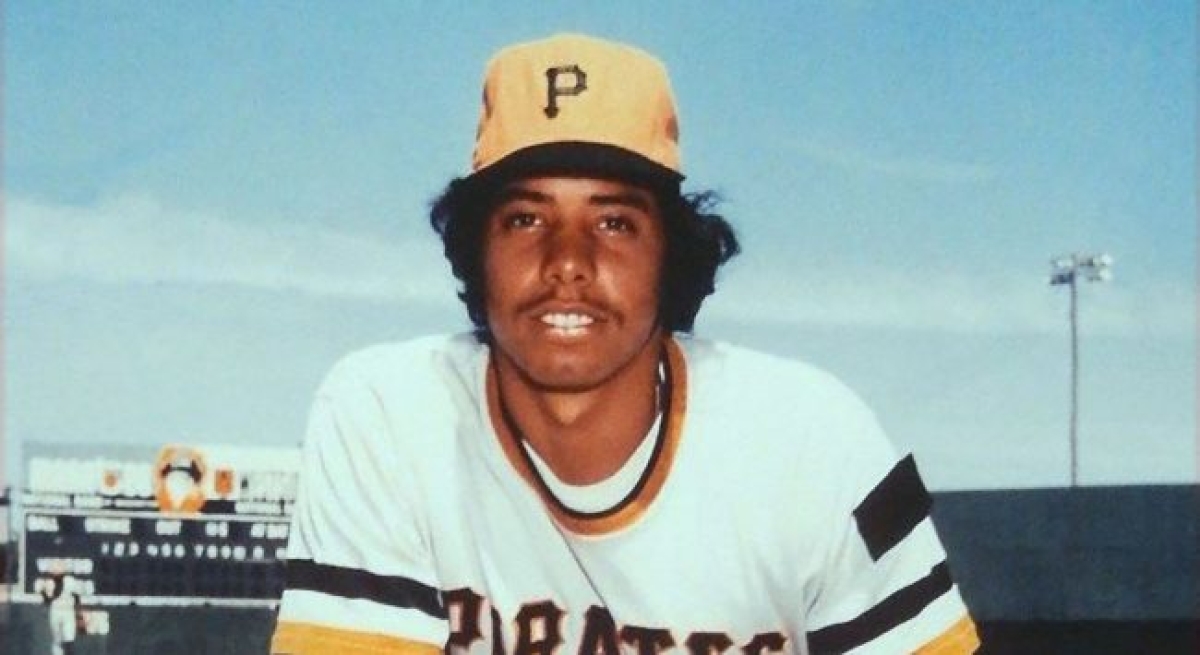


The 1970s "Lumber Company" era of Pittsburgh baseball is celebrated for its powerful, high-speed offense, with star sluggers often taking center stage. Behind that strong offense was a 6-foot-7 left-handed pitcher who methodically dominated National League lineups with calm, precise skill. John Robert Candelaria, known as "The Candy Man" by fans, brought a distinctive Brooklyn-inspired confidence to the mound. Drafted in 1972 after walking away from basketball, the lanky southpaw used an unorthodox, high-leverage cross-fire pitch that effectively neutralized opposing hitters, making him one of the most underrated starting pitchers in franchise history.
His quick rise through the farm system led to a remarkable debut in 1975, but it was his second season in 1976 that truly established his status as a top-tier pitcher. Candelaria made run prevention a consistent part of his game, highlighted by a historic moment on August 9 when he baffled the division-rival Cincinnati Reds with a stunning 2-0 no-hitter at Three Rivers Stadium, the first no-hitter by a Pirate in the city since 1907.
His peak physical performance and individual dominance reached its height in a stunning 1977 showcase, which remains a classic example of analysis. Candelaria delivered an exceptional pitching performance, achieving an impressive 20-5 record that led all major leagues with an .800 winning percentage. He dominated the National League by posting a league-leading 2.34 ERA and a flawless 1.071 WHIP, while consistently overpowering hitters and leading the league with a low 2.0 walks per nine innings, earning his first All-Star selection and finishing fifth in the Cy Young voting.
Candelaria's impact extended beyond a brief peak, offering exceptional durability to the rotation for ten years. He was a crucial, high-impact leader on the memorable 1979 "We Are Family" world championship team, winning 14 regular-season games and pitching six outstanding one-run innings to help secure a key win over Cincinnati in Game 1 of the NLCS. During his long initial tenure in Steel City, he recorded six more seasons with at least 11 wins, consistently dominating top hitters with precise control.
Tragically, rising tensions with management over his playing time and salary demands led to a mid-season trade to the California Angels in 1985, marking the end of his main tenure with the black and gold. However, demonstrating his strong emotional connection to the community, Candelaria returned to the Pirates for a short, nostalgic stint in the 1993 season to conclude his extensive major league career.
With the Pirates, Candelaria had a 124-87 Record, a 3.17 ERA, and fanned 1,159 batters.

Comments powered by CComment