
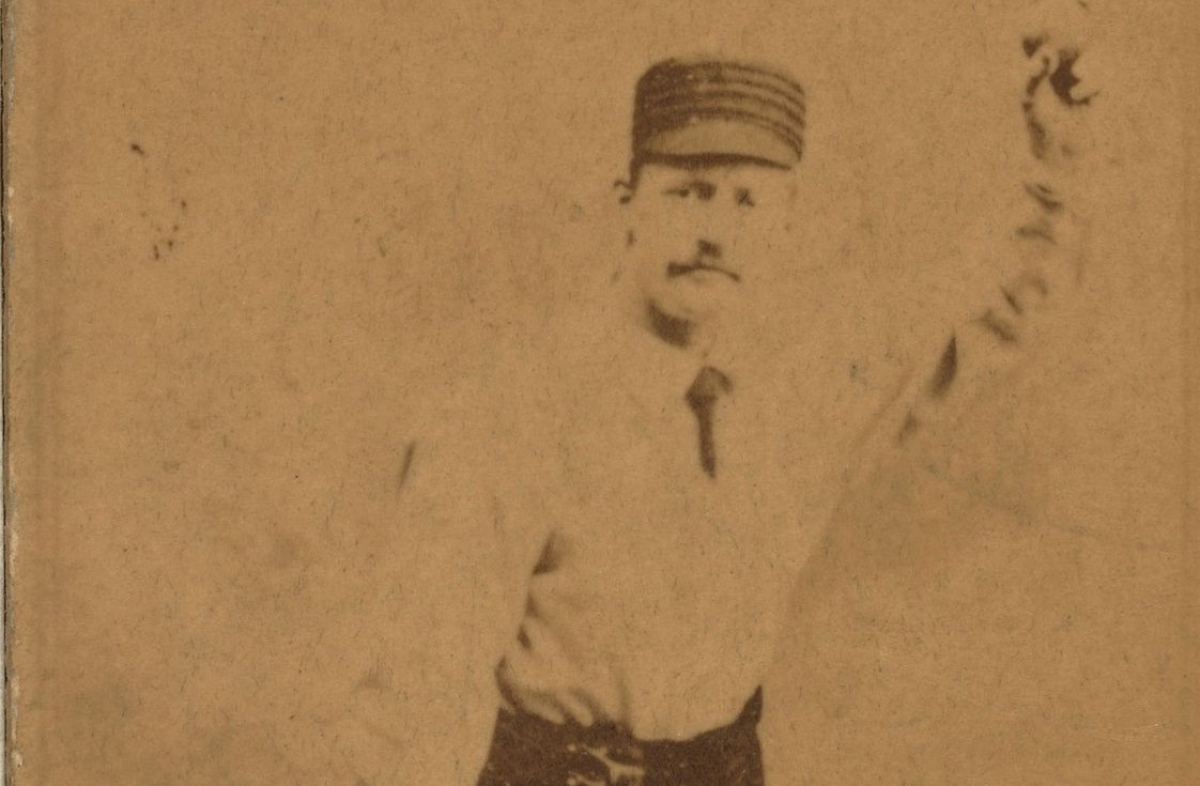
To truly understand the origins of professional baseball in western Pennsylvania, it’s necessary to go back to the 1880s—a time of grueling workloads, rough schedules, and primitive equipment that could break a modern athlete in just weeks. Ed "Cannonball" Morris exemplified this rugged, pioneering era. After the 1884 season, the Pittsburgh Alleghenys (later known as the Pirates) acquired him in a major asset deal from the collapsing Columbus Buckeyes. The broad-shouldered left-hander arrived in Pittsburgh with a fastball that revolutionized the way teams approached preventing runs.
What followed was a short but intense multi-year peak, still regarded as one of the most remarkable displays of raw endurance in local history. Morris made handling the ball an almost daily habit, recording workloads that are hard to imagine today. During his initial two summers in Pittsburgh (1885 and 1886), he led the pitching staff alone, securing 80 wins and pitching over 1,100 innings.
He consistently shut down American Association offenses, leading the league in shutouts in consecutive summers while keeping a remarkably low ERA below 2.50. His precise effectiveness was also confirmed by winning back-to-back league WHIP titles and recording a league-high 298 strikeouts in 1885.
When the franchise moved to the National League in 1887, Morris struggled with the changing competition and rules, posting a challenging 14–22 record and a high 4.31 ERA. However, demonstrating remarkable resilience, he mounted an impressive comeback in the 1888 season. Morris pitched an exhausting 480 innings, finishing with a strong 28–23 record and an outstanding 2.31 ERA, briefly regaining his national recognition.
Sadly, his heavy workload ultimately compromised his physical longevity. The intense strain led to his throwing arm failing the next summer. In a desperate attempt for financial stability, Morris left to join the rogue Pittsburgh Burghers of the newly formed Players' League in 1890, but he performed poorly on the mound and soon retired quietly.
He stepped away from the sport, leaving behind a remarkable, high-concentration localized baseline. During his five summers representing the city, Morris achieved 129 wins, a stellar 2.81 ERA, and 890 strikeouts over 233 complete games and 2,106 innings pitched.
Since his groundbreaking achievements occurred at the very beginning of professional baseball, his legacy has been greatly diminished over time, leading to his complete omission from current Cooperstown discussions. Nonetheless, he stays the original franchise ace, the formidable, brief-lived workhorse who first established the standard for pitching excellence in Pittsburgh.
With Pittsburgh, Morris went 129-102 with a 2.81 ERA and 890 strikeouts.

Comments powered by CComment