
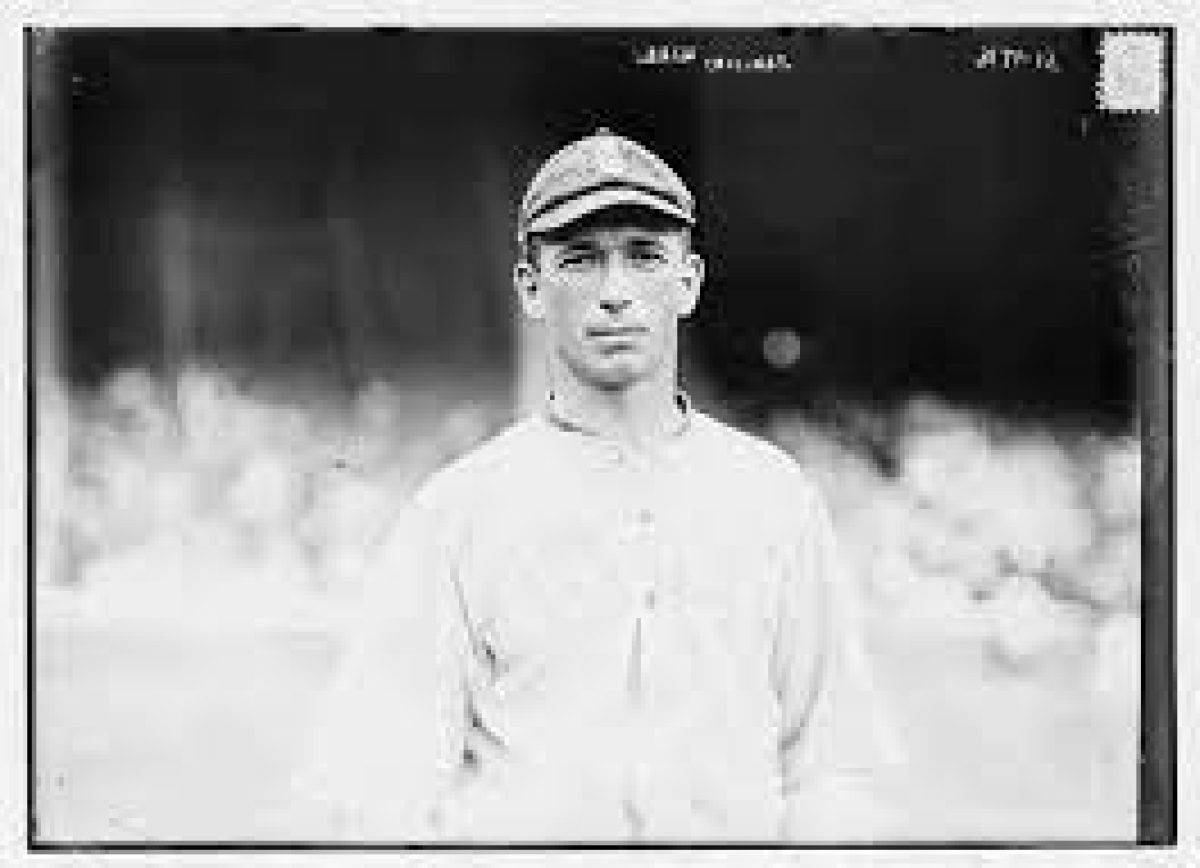

The baseball world is filled with clichés about small players showing great grit, but at the start of the 20th century, Tommy Leach exemplified this ideal. Standing only 5-foot-6 and weighing just 150 pounds, "Wee Tommy" appeared physically small in the tough, brutal environment of the Deadball Era. Despite this, he spent over ten years in western Pennsylvania demonstrating that quick, low-center-of-gravity movements could easily break down opposing defenses. As a fast, high-energy hitter at the top of the lineup, Leach turned the expansive fields of Exposition Park and Forbes Field into his personal sprint track, becoming a key catalyst for the franchise’s most legendary period.
His arrival in Pittsburgh before the 1900 campaign was part of the legendary roster merger that also brought Honus Wagner from Louisville. Leach consistently used his speed and power for extra-base hits during the regular season, playing both third base and the outfield to give manager Fred Clarke top defensive versatility.
He was a proven triple-hitter, using a quick first step to turn singles into multi-base threats. Although the era's waterlogged baseballs rarely cleared fences, Leach showed unexpected power in the middle of the lineup, often leading the National League in home runs, mostly high-velocity, inside-the-park types, setting a league record with six homers in 1902.
His distinctive statistical profile established him as the key operational catalyst for the legendary Wagner, who batted right behind him. Leach excelled at neutralizing opposing pitchers, carefully drawing walks or hitting line drives into gaps, then using his legs to quickly reach scoring position for "The Flying Dutchman."
That high-volume run creation cemented his place in baseball history during the first modern 1903 Fall Classic against Boston. Leach, known for his speed, recorded the very first hit and scored the first run in modern World Series history, finishing the event with an impressive four triples.
The pinnacle of his team's achievements was the 1909 world championship run. As the regular center fielder and key player, Leach performed superbly, leading the National League with a career-high 126 runs and drawing 67 walks, which contributed to Pittsburgh's exciting seven-game win over Ty Cobb's Detroit Tigers.
Tragically, the intense physical strain from playing at such a fast and aggressive pace eventually caught up with him. A series of persistent lower-body injuries significantly reduced his signature acceleration by the start of the 1910 season, leading to an abrupt and less variable decline in his offensive performance. This decline ultimately led to a trade to Cincinnati in mid-1912. He later returned briefly to the Bucs during the 1918 season, marking the end of his remarkable career.
Across 14 summers in a Pittsburgh uniform, Leach accumulated 1,603 hits, 233 doubles, 126 triples, and 271 stolen bases across 1,509 games.

Comments powered by CComment