
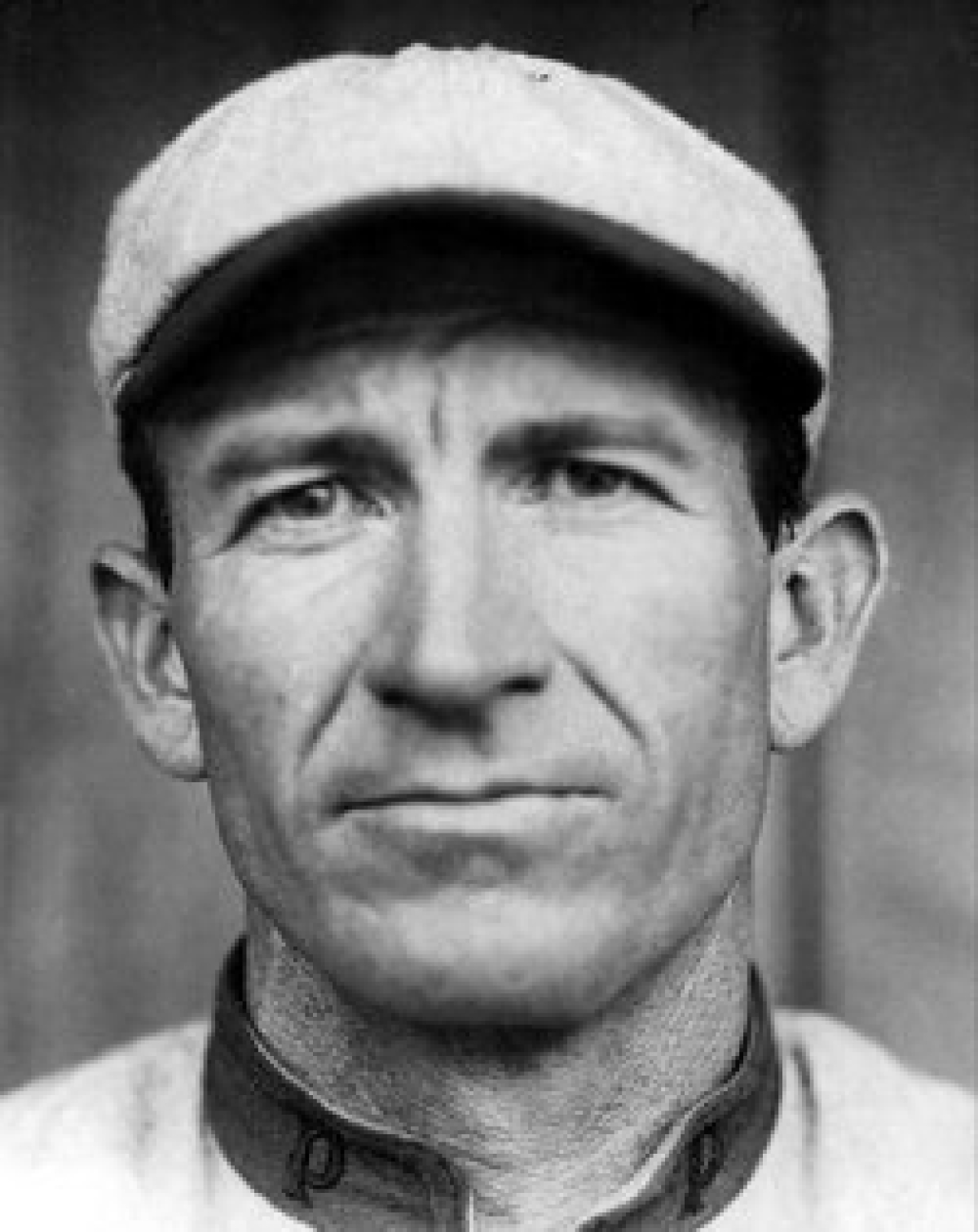
To truly grasp early 20th-century baseball culture, it's important to examine men like Sam Leever, who chose the diamond over conventional careers. Known as "The Goshen Schoolmaster” in the National League, this right-handed pitcher spent seven years teaching schoolchildren in Ohio before fully dedicating himself to professional baseball. His delayed entry into the majors at age 26 was due to this academic background. Leever approached the game with a calculated, cerebral style, favoring an excellent curveball and precise control over raw speed.
Leever dedicated his 13-season major league career to pitching in Pittsburgh, creating a model of efficiency that made him one of the most dominant pitchers of the Deadball Era.
His initial complete appearance during the 1899 campaign was a remarkable display of endurance. At 27 years old and a rookie, Leever made his durable pitching a constant effort, leading the National League with 51 games and a demanding 379 innings pitched.
Although he posted a modest 21–23 record and a 3.18 ERA with a middle-tier team, that heavy workload was vital for his growth into a top pitcher. Once manager Fred Clarke’s early dynasty took shape, Leever fully honed his skills. He deliberately reduced his regular-season innings, avoiding reaching 300 innings again, which significantly boosted his efficiency. Throughout the rest of his career, he consistently kept runs surrendered low, never allowing his season ERA to exceed 3.00.
During his historic 1903 campaign, Leever demonstrated exceptional control, leading to the National League ERA title with a remarkable 2.06. He achieved a superb 25–7 record, completed 30 games, and pitched seven shutouts, helping the Bucs secure the pennant.
Leever's impressive performance was more than just a brief moment of brilliance. He led the rotation with four separate 20-win seasons, offering a consistent stream of victories with low variability. His career record of 194–100, a remarkable .660 winning percentage, ranks among the best in major league history and shows his strong determination to win. Despite his dominance in the regular season, his postseason success was limited. A serious shoulder injury during the first modern 1903 World Series against Boston severely hampered his effectiveness.
Six summers later, in the historic 1909 campaign, veteran Leever contributed significantly by going 8–1 both as a reliever and starter, helping the team secure a National League pennant. Although he did not pitch in the seven-game World Series victory over Detroit, he was a highly respected member of that legendary team and ultimately achieved the ultimate validation with a world championship.
He retired from the sport after the 1910 season due to a salary dispute with management, leaving behind a remarkable body of work. In 388 games with Pittsburgh, Leever posted a tiny 2.47 ERA, completed 241 games, and recorded 847 strikeouts over 2,660.2 innings.

Comments powered by CComment