
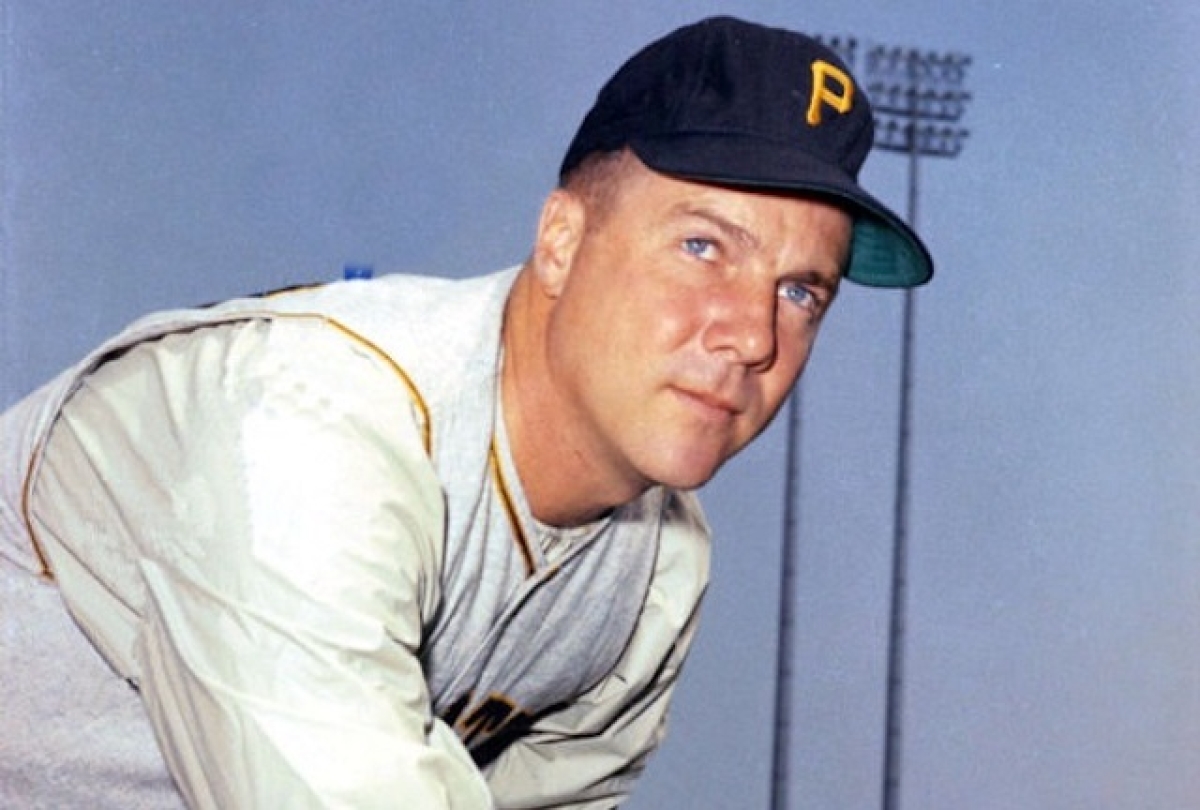


Assessing a pitcher's legacy solely based on win-loss records can sometimes misrepresent their actual performance. When a pitcher spends a decade working in a challenging, low-scoring environment for a struggling team, their overall stats will inevitably reflect those conditions. Bob Friend exemplifies this. During his long, high-appearance career with the Pirates, the resilient right-hander was recognized as one of the top National League starters of his time. However, many fans misinterpret his career numbers because they ignore the context of the teams he carried.
Arriving in Pittsburgh as a young 20-year-old rookie in 1951, Friend was immediately immersed in a challenging period of Pirates baseball under GM Branch Rickey. During his first four summers, he endured significant adversity while playing as both a starter and a high-leverage reliever, on teams that regularly lost more than 90 games annually.
His major breakthrough came in the 1955 regular season when his efficiency filters reached a historic peak across the league. Despite the Pirates finishing at the bottom of the standings, Friend demonstrated exceptional run prevention, leading the National League with a 2.83 ERA and achieving an impressive 6.0 bWAR. He became the first pitcher in major league history to win an ERA title while playing for a last-place team.
What followed was an impressive demonstration of iron-man durability, marking the franchise's gradual move towards relevance. Friend became a regular part of the lineup, consistently taking the ball during the season. He led the National League in games started for three straight summers from 1956 to 1958 and topped the league in challenging workloads by surpassing 270 innings in back-to-back years.
His standout performance came during a remarkable 1958 season, when he matched legendary lefty Warren Spahn for the major league lead with a career-high 22 wins. This contributed to a strong second-place finish for the Bucs and earned him third in the National League Cy Young voting.
Two summers later, that intense workload paid off with the ultimate corporate achievement. As a key frontline player alongside Vern Law during the historic 1960 pennant race, Friend finished with an 18-12 record and a flawless 3.00 ERA. Although his appearances in the subsequent high-stakes World Series against the powerful New York Yankees were challenging and low-variance, his heavy lifting during the regular season was a crucial factor that paved the way for Bill Mazeroski's legendary walk-off home run.
Friend remained a pillar of the organization's rotation all the way through the 1965 schedule, closing out his lengthy 15-year stay in Pittsburgh with a pair of brief twilight stops with both New York franchises before walking away after 1966. Because he spent so many summers throwing for sub-.500 clubs, he retired with a highly unique 197–230 record; with a 191-218 record in Pittsburgh with 1,682 strikeouts.
Despite his accomplishments, Friend was left off the Baseball Hall of Fame ballot when he was first eligible in 1972.

Comments powered by CComment