
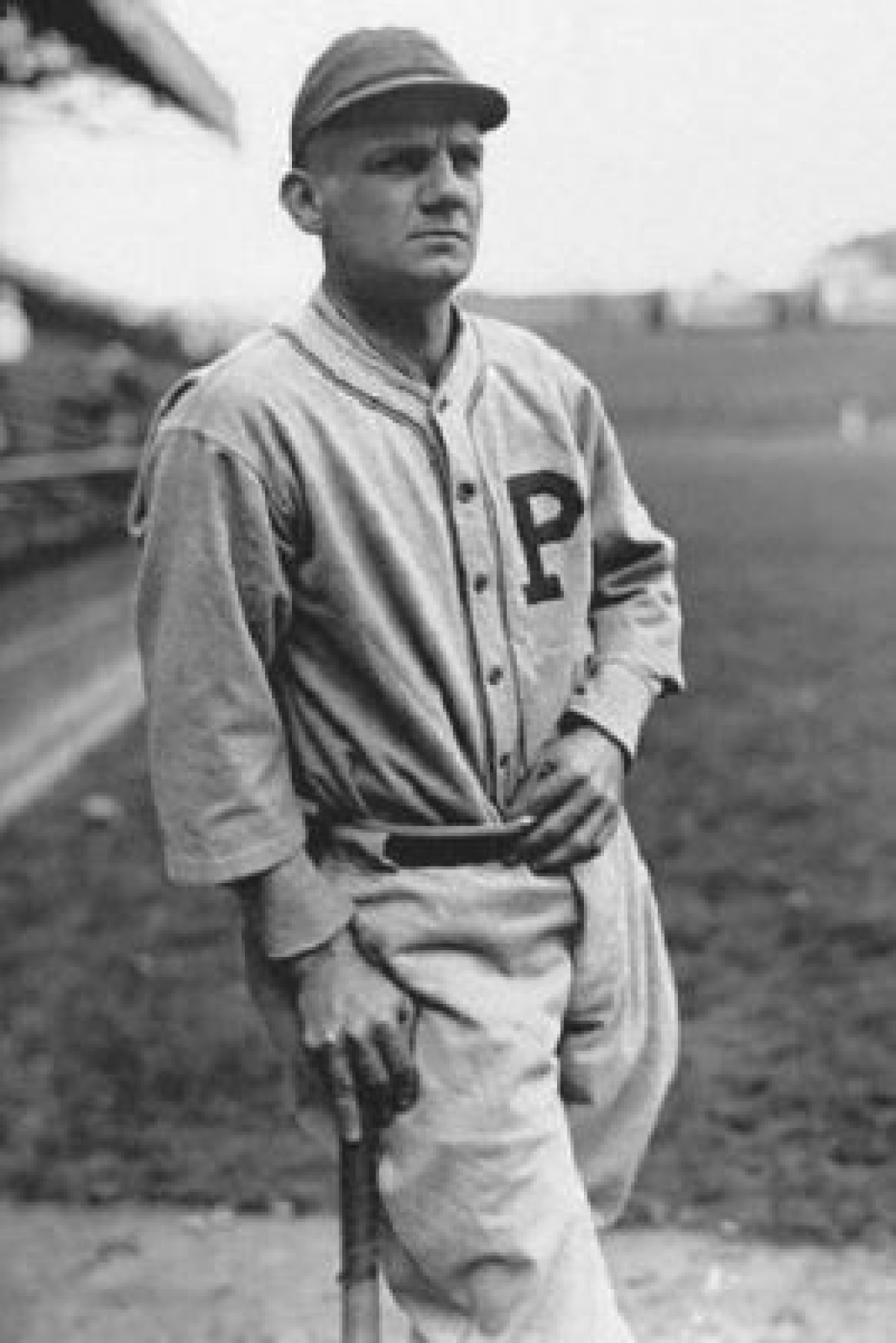



The modern idea of an elite leadoff hitter often evokes images of quick speedsters, but Max Carey combined agility with keen, strategic thinking. Originally on track to become a Lutheran minister, the Indiana-born player unexpectedly shifted to baseball, applying a deliberate, tactical approach to base running that changed the run game. His modest debut over two games for the Pittsburgh Pirates late in 1910 showed the team they had found their fastest player, a base stealer who would spend fifteen years making the bases his domain.
Carey made table-setting a staple of his regular-season routine, expertly navigating the Deadball Era with a pristine left-handed bat and sharp eye. While he lacked power for the middle of the lineup, he was a highly effective contact hitter who surpassed the .300 batting average six times during his tenure in Western Pennsylvania. He consistently overwhelmed opposing pitchers with his patient approach, leading the National League in walks twice and frequently maintaining on-base percentages that kept the infield in a constant state of high alert.
Once Carey produced a free pass or a single, the true operational magic started. He didn't sprint blindly; instead, he analyzed pitchers' movements with precise detail, leading the way in timing jumps over simply depending on quick footwork. His breakout on the leaderboard came in 1913, when he captured his first National League stolen base crown with 61 swipes.
Carey delivered an exceptional display of stolen-base prowess, unmatched in National League history. Over his career, he led the league in stolen bases ten times. His peak came in 1922 when he stole 51 bases in 53 attempts, achieving a remarkable 96.2% success rate despite the era's defensive technologies and pitch-out strategies designed to contain him. He ended his career with 688 stolen bases in the Steel City, a record that still stands as the all-time high in Pirates history.
Nevertheless, evaluating his historical impact solely through his legs underestimates his overall defensive contribution on the field. As a roaming center fielder endowed with exceptional instinctual reads and spatial agility, Carey revolutionized the outfield, rendering it virtually impenetrable for opposing line drives. He consistently led the league in putouts and assists, building a defensive record that would have easily earned him multiple Gold Gloves if such awards had been available in his time.
The peak of his team's achievement came during the historic 1925 regular season, where his veteran leadership led the Bucs to a National League pennant. In the seven-game World Series against the Washington Senators, Carey delivered an outstanding performance, hitting an impressive .345 and helping Pittsburgh win the world championship.
Tragically, his long tenure with the club ended suddenly and without ceremony in the middle of 1926. Amidst a fierce and widely publicized dispute within the front office, involving player-coach Fred Clarke, often called the "ABC Affair' by historians, the aging captain was quickly placed on waivers and subsequently claimed by the Brooklyn Robins.
He departed the organization with an exceptional localized baseline of 2,425 hits, 1,415 runs scored, and 306 doubles over 2,130 games. Carey was chosen by the Veterans Committee in 1961 for the Baseball Hall of Fame.

Comments powered by CComment