
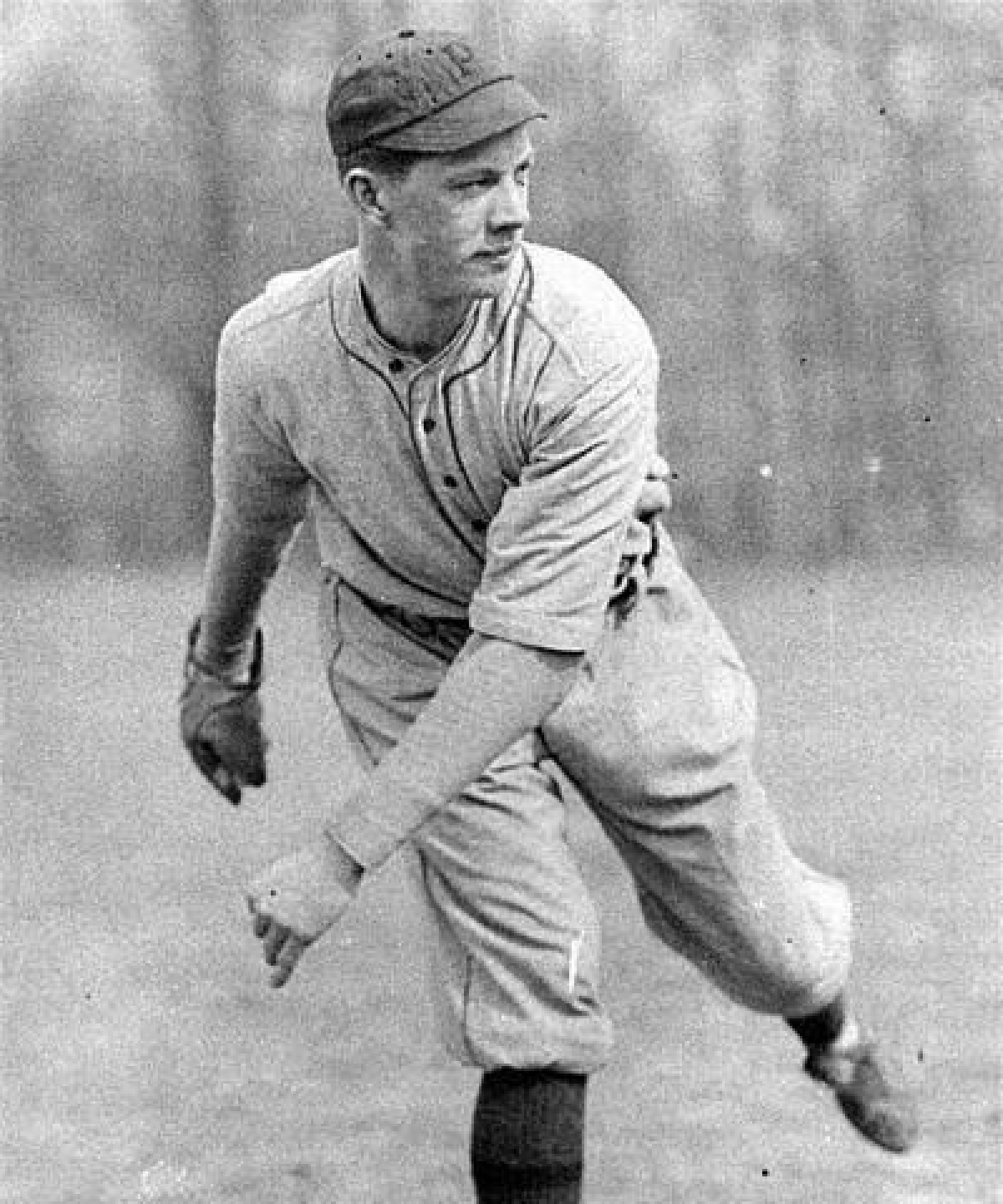

A century's passage can easily erase the legacy of a frontline ace, leaving their greatest accomplishments forgotten in early baseball history. Wilbur Cooper exemplifies this neglect within Pirates history. A skilled, left-handed pitcher who used a sharp changeup and sinking fastball, Cooper spent over ten years dismantling National League lineups with calm precision. However, because his prime coincided with a rare, transitional period between the franchise's early wins, his name is seldom spoken with the same admiration as his peers.
His arrival in Pittsburgh midway through the 1912 season immediately revealed him as a dependable workhorse. Cooper made consistent durability a core part of his routine, expertly managing the tough transitions of the Deadball Era to secure his spot in the starting rotation.
His authentic ascent to elite status took place over an impressive eight-year peak from 1917 to 1924, during which he established himself as one of the most formidable and effective southpaws in Major League Baseball. Throughout this dominant period, Cooper consistently ranked in the top ten of the National League across nearly all key pitching categories, regularly surpassing 200 strikeouts and 300 innings, all while making run prevention appear effortless.
He surpassed the prestigious 20-win threshold four times while playing for Pittsburgh, highlighted by an outstanding 1922 season with a career-best 23 wins, 28 complete games, and a solid 3.18 ERA.
Through his remarkable longevity, Cooper etched his name into the major league record books as the first left-handed pitcher in the National League to reach 200 career wins. Although he didn't extend his total much beyond that, ending his career with 216 wins, his impact remains unparalleled. He is still the winningest pitcher in Pittsburgh Pirates history, with an impressive 202 victories that remain unmatched.
The tragic aspect of Cooper's legacy lies in unfortunate historical timing. After dedicating 13 seasons to the organization, he was traded to the Chicago Cubs before the 1925 season. That autumn, the Pirates secured an exciting World Series victory without him. If Cooper had been part of that championship team, his name might have been honored with a retired number and physical memorials, solidifying his place in history.
Modern advanced metrics and analytical filters have thankfully begun to rescue his profile, highlighting his immense 48.2 career bWAR anchor as a Pirate.

Comments powered by CComment