
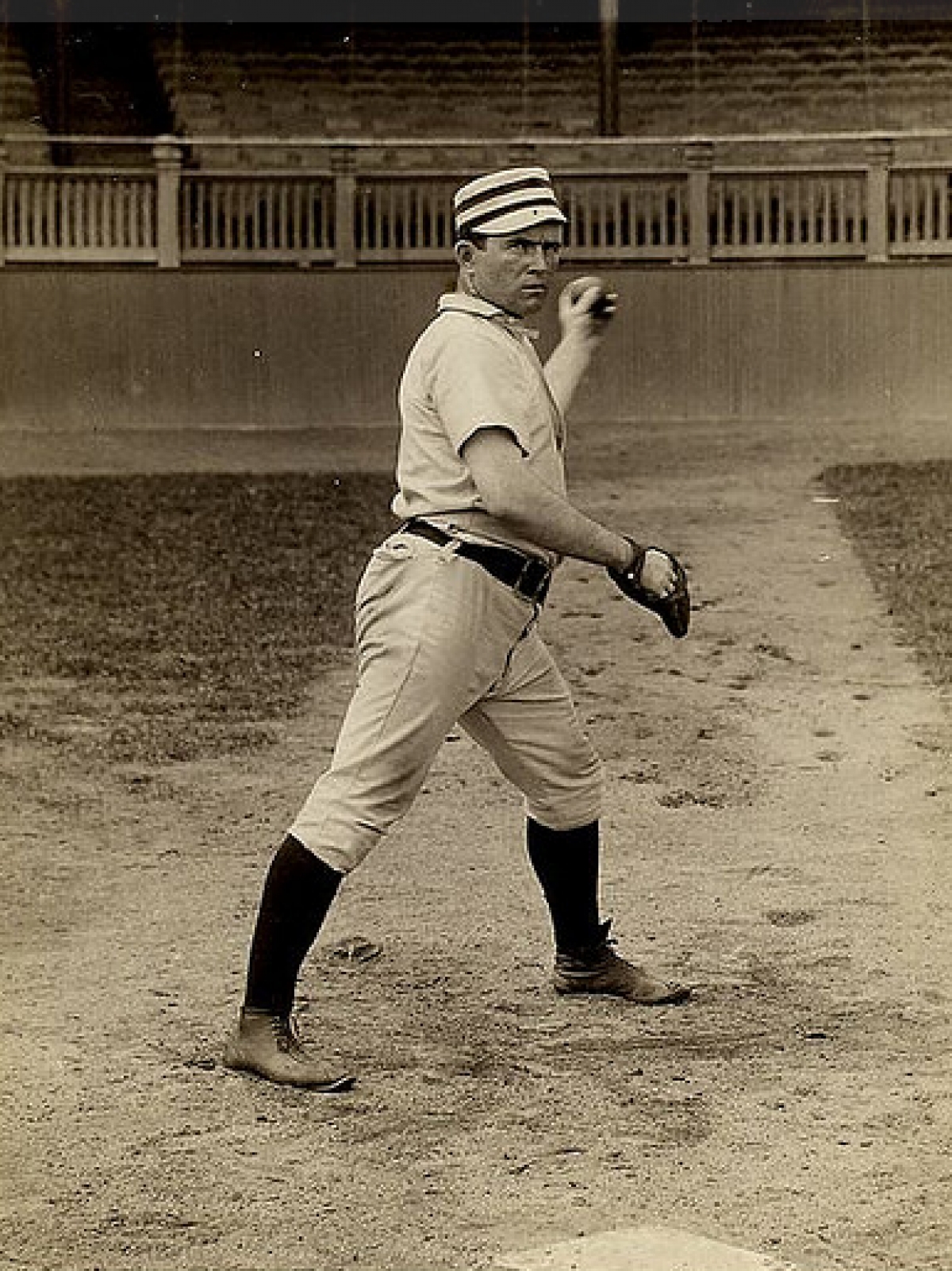
In the tough environment of 19th-century baseball, the catcher’s box was like a collision zone. Jack Clements, known as “Bones," was a striking figure due to his notoriously surly attitude, his thick, low-slung build, and his refusal to follow conventional rules in his career. The Pennsylvania native was a trailblazer behind home plate, among the first catchers to systematically wear a sheepskin chest protector. Even more remarkable for modern fans, Clements is one of the few true left-handed catchers in Major League Baseball history, a rare position that has disappeared in today’s game.
His extensive and high-volume residency in Philadelphia lasted exactly 1,000 games from 1884 to 1897. Although catching without modern equipment was physically demanding and worn down most players of his era, Clements flourished, becoming one of the most outstanding, run-producing hitters of his time.
He didn't just survive at the plate; he excelled. Clements surpassed the elite .300 batting average five times while wearing a Philadelphia uniform, and achieved the impressive .400 on-base percentage three times, solidifying his role at the core of the lineup. The peak of his contact-hitting was during a 1895 offensive clinic, where Clements hit .394 over 85 games, the highest season batting average for a catcher in major league history.
Bones was more than just a singles hitter; he had a powerful, advanced swing that was uncommon for his time. In 1893, a high-scoring year, he hit 13 home runs, and in 1895, he reached a career-best with 17 homers. To put this into perspective, hitting double digits in homers during the 1890s was similar to anchoring a modern team with 40-plus home runs.
When he finally left the organization after fourteen dedicated summers, he left a remarkable localized slash line of .289/.352/426, supported by 1,079 hits and 70 home runs, a substantial offensive contribution that drastically changed team expectations for the catching position.
Although his grumpy attitude and intense exchanges with umpires sometimes annoyed league officials, local fans highly admired the relentless effort needed to pitch thousands of innings as a southpaw. He was a pioneering workhorse whose distinctive playing style and remarkable offensive achievements secure his status as a key figure in Philadelphia baseball history.

Comments powered by CComment