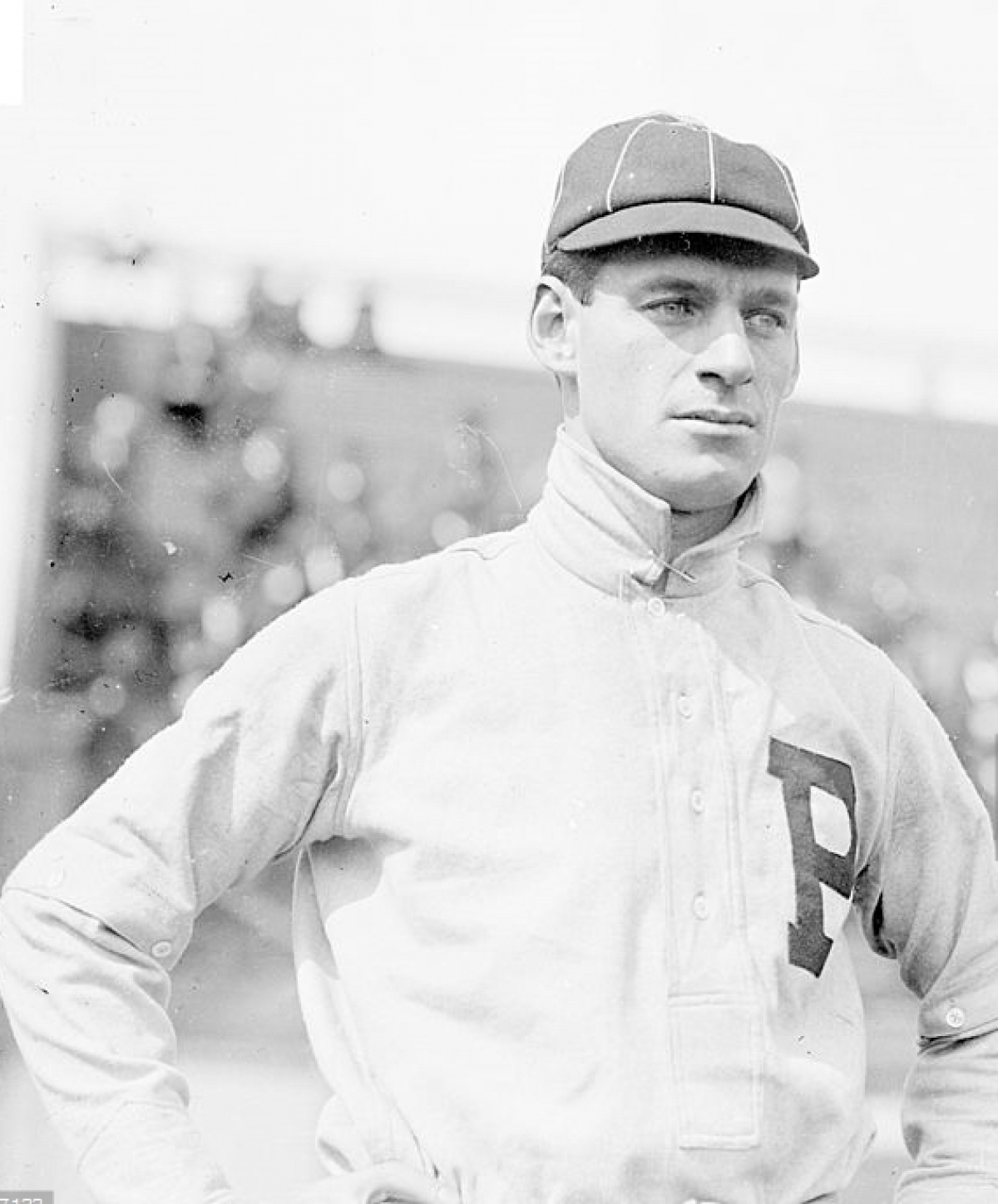
During the early, gritty years of the modern game, Roy Thomas stood out as a player who skillfully pushed the boundaries of the rulebook. Well before today's front offices obsess over on-base percentages to the tiniest detail, Thomas was a dedicated and disciplined center fielder for the Philadelphia Phillies, often serving as a strategic table-setter. He didn't just see drawing walks as a simple skill—he turned it into a mental game, creating psychological pressure on the opposing team. His persistent habit of fouling off high-velocity pitches by intentionally spoiling them annoyed opponents so much that it led Major League Baseball to change its rules in 1901, making foul balls count as strikes early in the at-bat.
Even after the league tried to set rules to limit his annoying tendencies, Thomas kept finding a way to get on base. He led the National League in walks an impressive seven times during his nine full summers in Philadelphia. His disciplined approach at the plate created a reliable presence at the top of the lineup, helping him lead the Senior Circuit in on-base percentage twice. Over an unforgettable seven-year stretch from 1899 to 1905, Thomas maintained an OBP comfortably above the impressive .400 mark every summer.
Although he crossed the .300 batting average threshold four times, he did so by embodying what many consider the most genuine form of a "slap hitter" in baseball history. Thomas disliked swinging for power, choosing instead to leverage his tall, slender build to drive line drives into gaps or execute well-placed bunts into open spaces.
This innovative, highly efficient method resulted in one of the most unusually charming and low-variance statistical signatures in professional baseball history. At retirement, Thomas uniquely stood out as the sole everyday player in major league history to have scored over three times the runs (1,011) he batted in (299). Additionally, he created an entirely novel pattern between his situational metrics, ending his career with a .413 on-base percentage supported by a mere .334 slugging percentage—marking the greatest gap ever between getting on base and total bases for a regular player.
While traditionalists of the Deadball Era occasionally clamored for more extra-base power, modern advanced analysts view his extreme on-base volume with immense reverence. Across his lengthy, split-tenure stay with the Phillies, he accumulated 1,364 hits and 235 stolen bases while serving as a premier, high-volume defender out on the grass.
Comments powered by CComment