
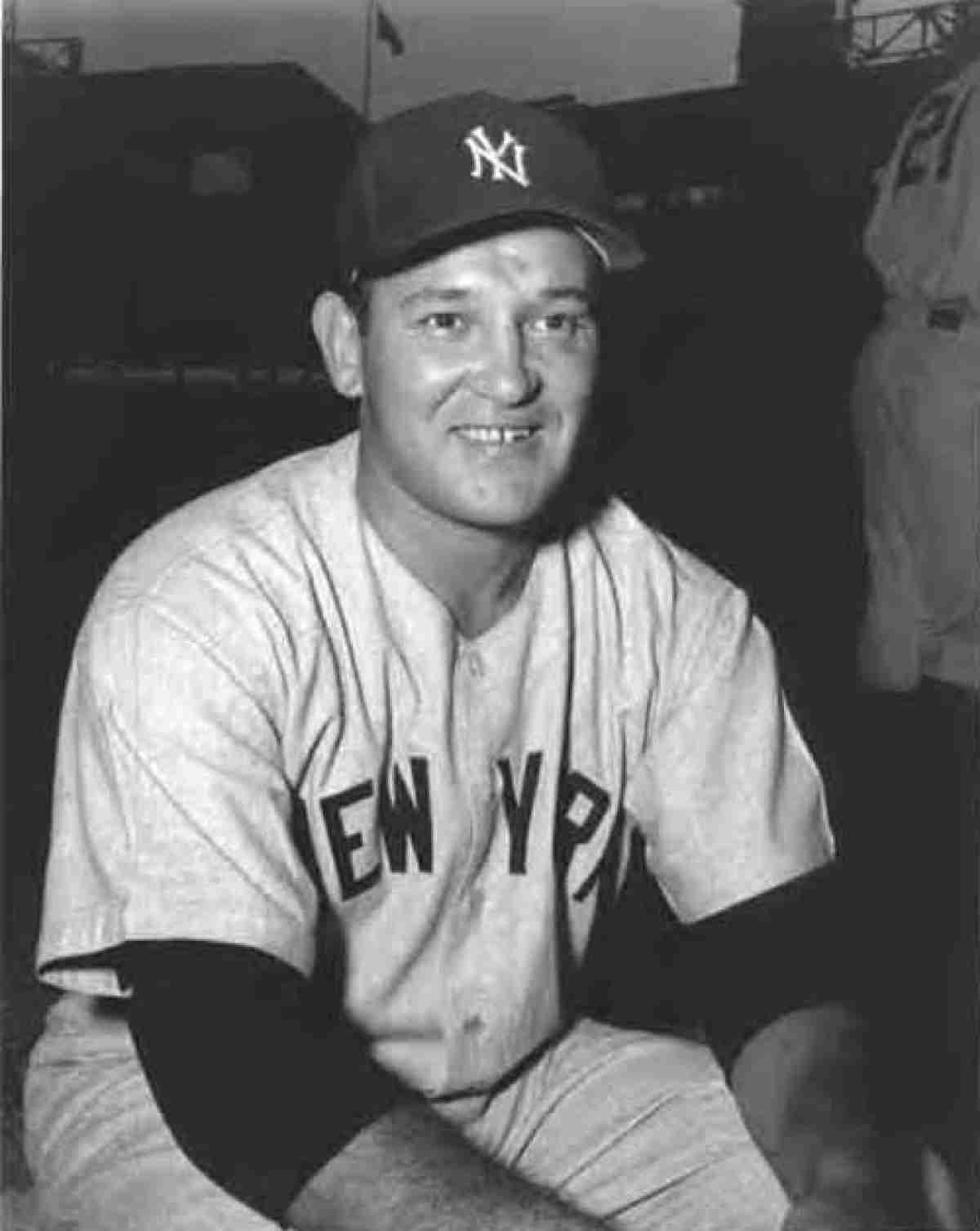



When modern analytics grids dissect Allie Reynolds's career, the spreadsheets can look a bit cold. Sabermetricians often point straight to his 1.386 career WHIP and assert that his heavy win totals were simply a byproduct of playing for an absolute powerhouse dynasty that gifted him relentless run support. But evaluating "Superchief" solely through a modern mathematical lens completely misses the actual shape of his legacy. Reynolds wasn't built to maximize efficiency rows on a computer screen; he was engineered to win the specific baseball game right in front of him.
His most notable trait was an exceptional, multi-positional versatility that defied the conventions of his time. Well before the modern game divided pitchers into specialized roles, manager Casey Stengel relied on Reynolds as his most versatile tactical asset. He could confidently deliver a complete-game victory on Thursday afternoon and then come out of the bullpen on Saturday night to record a crucial save. This adaptable, two-way capability gave his overall stats a distinct edge, saving 41 games over his career while serving as a key part of the starting rotation.
When he established his true peak in the early 1950s, he demonstrated that his top-tier baseline was as exceptional as anyone else's in the sport. In 1951, he threw two renowned no-hitters, the second against Boston, which he capped by getting Ted Williams to fly out to end the game. He then followed that with a remarkable 1952 campaign, showcasing outstanding run prevention by leading the American League with a tiny 2.07 ERA and 160 strikeouts. His dominance during the regular season earned him consecutive top-3 finishes in the AL MVP voting, placing third in 1951 and finishing as a runner-up in 1952.
What truly set Reynolds apart from his peers was his unwavering calm during the intense pressures of October. He didn't just endure the World Series spotlight; he excelled at it. In his six Fall Classic appearances with the Yankees, he achieved an impressive 7–2 record with a 2.79 ERA, demonstrating complete composure under pressure. Additionally, he enhanced his value by becoming a significant threat at the plate in October, hitting a strong .308 and providing the Yankees with a crucial high-leverage advantage.
A severe back injury sustained in a team charter bus accident eventually exacted a heavy structural toll on his body, forcing his retirement after the 1954 season at age 37. He walked away from the Bronx with a spectacular 131–60 record, yielding an astonishingly efficient .686 winning percentage that ranks among the highest in franchise history alongside 967 strikeouts and a solid 3.30 ERA.

Comments powered by CComment